Why Age Limits Matter for Military Service
Can I join the military at 43 years old? The answer depends on which branch you’re considering and your individual circumstances. While most branches have maximum enlistment ages between 28 and 42, there are exceptions, waivers, and alternative paths that may still allow you to serve.
Quick Answer: Maximum Enlistment Ages by Branch
| Branch | Active Duty Age Limit | Reserve/Guard Age Limit |
|---|---|---|
| Army | 17-35 | Up to 42 (with waivers) |
| Marine Corps | 17-28 | 17-28 |
| Navy | 17-41 | 17-41 |
| Air Force | 17-42 | Up to 39 (varies by role) |
| Space Force | 17-42 | N/A |
| Coast Guard | 17-42 | Up to 40 |
At 43, you’re above the standard limit for all branches. However, you may still be eligible if you have specialized skills, prior military service, or qualify for an age waiver.
The landscape of military recruitment has changed dramatically. As one Army soldier who completed Airborne School at age 42 demonstrated, it’s not impossible—just challenging. The Air Force and Space Force recently raised their maximum age to 42, reflecting the military’s evolving needs and the value of mature recruits.
The real question isn’t just “Can I join?” but “What path makes sense for me?” Whether you’re a healthcare professional, have prior service, or possess critical technical skills, there may be opportunities beyond the standard age caps.
This guide will walk you through the official age limits, explain how waivers work, detail what older recruits can expect, and explore alternative ways to serve if traditional enlistment isn’t possible.

Understanding the Standard: Military Age Limits by Branch
The U.S. military has specific age requirements for enlistment that vary significantly by branch and by whether you’re looking at active duty, the Reserves, or the National Guard. These limits are not arbitrary; they reflect the physical demands of military service and the need for personnel who can complete a full career. Understanding these distinctions is the first step in figuring out if you can join the military at 43 years old.
Generally, the minimum age for enlistment across all branches is 17, with parental consent required for those under 18. The maximum age, however, is where things get more nuanced, especially as branches adjust their policies to meet recruitment goals. For instance, the Air Force and Space Force recently raised their maximum enlistment age to 42, a significant change that reflects evolving needs. The Navy also raised its maximum age from 39 to 41, and the Coast Guard now accepts recruits up to 42. These adjustments show a growing recognition of the value older recruits can bring.
To get the most accurate and up-to-date information for your specific situation, we always recommend contacting a military recruiter for the branch you’re interested in. They can provide personalized guidance based on current policies and your individual qualifications. You can find general requirements to join the U.S. military at USA.gov.
Active Duty Enlistment Ages
Active duty means serving full-time in the military. The age limits for active duty are generally stricter than for reserve components due to the intensity and duration of service. Here’s a breakdown by branch:
- Army: The Army has an age limit of 17-35 for active duty enlistees. This means that at 43, you would be outside the standard age range for active duty Army service.
- Marine Corps: Known for its rigorous physical training, the Marine Corps has the lowest age limit, accepting active duty enlistees between 17-28 years old. This makes it particularly challenging for older individuals.
- Navy: The Navy recently raised its maximum enlistment age from 39 to 41. So, for active duty Navy, you can enlist between 17-41 years old.
- Air Force: In a significant policy change, the Air Force raised its maximum active duty enlistment age to 42. This means individuals can now join the Air Force between 17-42 years old. This adjustment came as the Air Force faced challenges meeting its active-duty enlistment goals, missing them for the first time since 1999 in fiscal year 2023.
- Space Force: Aligning with its Air Force roots, the Space Force also has an age limit of 17-42 for active duty enlistees, making it another option for older recruits.
- Coast Guard: The Coast Guard also recently changed its maximum enlistment age, now accepting recruits up to 42 years old for active duty service.
As you can see, for someone wondering can I join the military at 43 years old, the Air Force, Space Force, and Coast Guard offer the most direct path within standard age limits, albeit just at the maximum.
Reserve and National Guard Age Requirements
The Reserves and National Guard offer part-time service options, often with slightly more flexible age requirements. These components allow individuals to serve while maintaining civilian careers and lives, making them popular choices for those considering military service later in life.
- Army Reserve or Army National Guard: These components typically accept individuals up to 42 years old for original enlistment. However, waivers are possible in certain cases, especially if you possess critical skills or prior service. The National Guard, specifically, has an age limit of 17-39 for original enlistment, but if you’re a former member of the Regular Army, Navy, Air Force, or Marine Corps, you could be eligible up to 64 years old for enlistment or reenlistment.
- Air Force Reserves or Air National Guard: These branches generally accept individuals up to 39 years old. However, there can be some flexibility depending on specific roles, experience, and the needs of the service.
- Navy Reserve: The Navy Reserve mirrors the active duty age limit, accepting individuals between 17-41 years old.
- Marine Corps Reserve: Similar to active duty, the Marine Corps Reserve has a stricter age limit of 17-28 years old.
- Coast Guard Reserve: The Coast Guard Reserve generally accepts individuals up to 40 years old.
While the age limits for reserve components are often more accommodating, it’s crucial to remember that these are general guidelines. Individual circumstances, such as specialized skills or prior military experience, can significantly influence eligibility.
So, Can I Join the Military at 43 Years Old? The Role of Waivers
If you’re asking can I join the military at 43 years old, and you’ve seen that the standard age limits for most branches don’t quite reach your age, don’t despair! This is where age waivers come into play. Waivers are essentially formal requests to bypass certain eligibility requirements, including age, and they are evaluated on a case-by-case basis.
The military isn’t just looking for fresh faces; it also values maturity, experience, and specialized skills. If you possess something the military critically needs, your age might become less of a barrier. This is especially true for roles experiencing shortages or requiring specific expertise that often comes with years of professional experience.
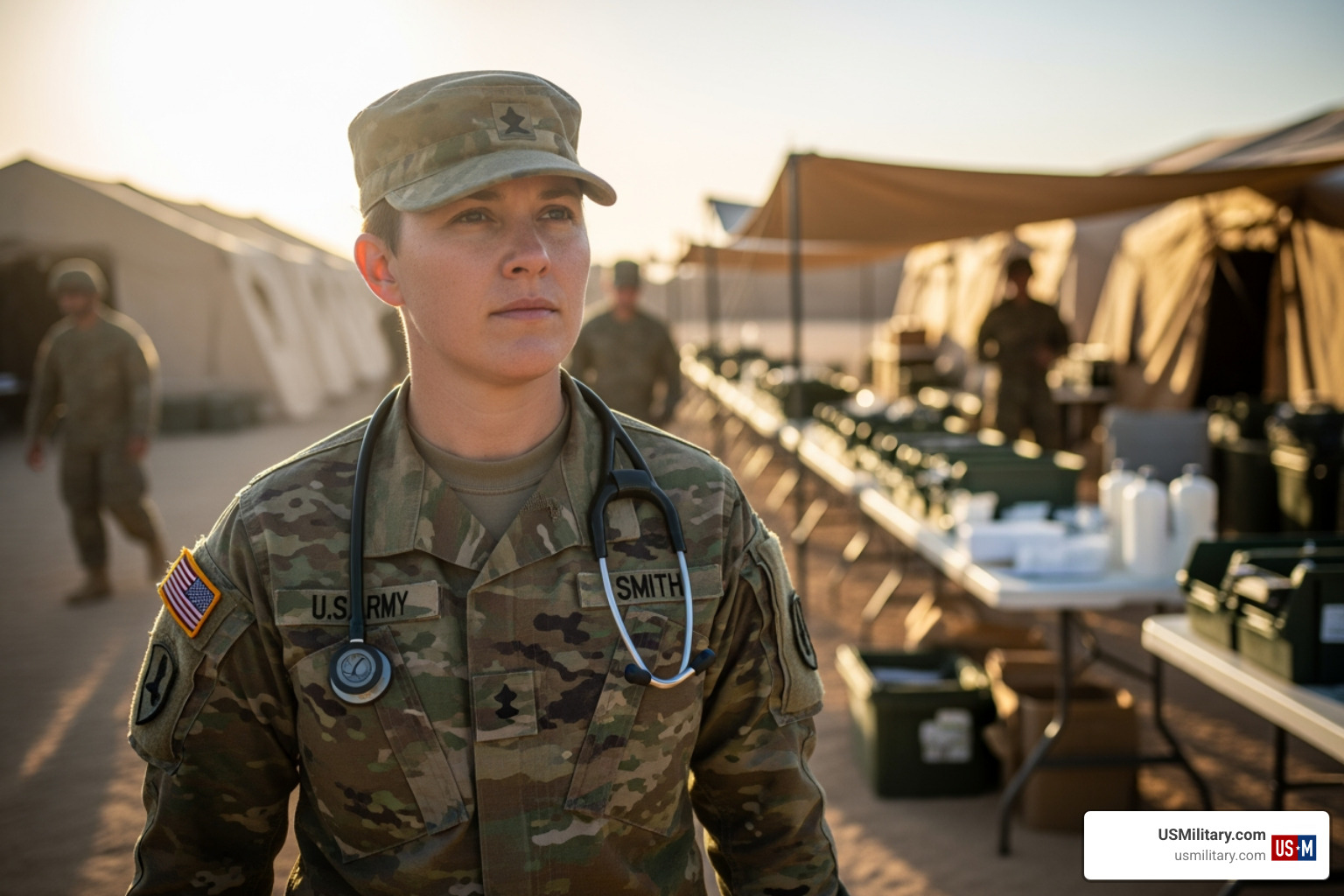
The process of obtaining a waiver is not automatic. It requires diligence, a strong application, and often, the advocacy of a recruiter who sees your potential value. It’s about demonstrating that despite your age, you can meet the physical, mental, and professional demands of service and contribute meaningfully to the mission.
What Are Age Waivers and Who Qualifies?
An age waiver is an official exception granted to an applicant who exceeds the standard maximum age for enlistment. These waivers are not handed out lightly; they are typically reserved for individuals who bring something unique and valuable to the table.
Who usually qualifies for an age waiver?
- Specialized Skills: This is often the most significant factor. If you’re a professional in a field critically needed by the military, your chances of receiving a waiver increase dramatically. This includes roles such as:
- Healthcare professionals: Doctors, nurses, dentists, and other medical specialists are consistently in high demand across all branches.
- Legal professionals: Lawyers and paralegals are needed for various legal roles within the military.
- Engineers: Individuals with engineering backgrounds, especially in high-tech fields, are highly sought after.
- Cybersecurity experts: With the increasing importance of cyber warfare, those with expertise in cybersecurity are invaluable.
- Other technical specialists: Any skill set that addresses a critical shortage within a branch can make you a strong candidate for an age waiver.
- Officer Candidate School (OCS): While officer roles generally require a four-year college degree, the age limits for officers can sometimes be more flexible, especially for those with specialized skills. For example, Navy officers can enter the SEAL program up to age 42. If you’re looking to join as an officer, detailed information on the requirements is available through official military recruiting channels.
- Critical Shortages: Beyond specific professional fields, if a particular military occupational specialty (MOS) or job role is experiencing a significant shortage, a branch might be more inclined to grant an age waiver to a qualified applicant, even if they’re older.
Age waivers are evaluated individually. Your overall fitness, education, background, and the current needs of the military will all play a role in the decision. For example, the Army has even had prior-service veterans in their late 50s complete basic training, demonstrating that exceptions are indeed possible under the right circumstances.
The Prior Service Advantage: Re-enlisting at an Older Age
For those who have previously served in the military, the question of can I join the military at 43 years old takes on a different dimension. Prior military service members often have a significant advantage when it comes to age restrictions, as their experience and training are considered valuable assets.
The key benefit for prior service members is the ability to “subtract” their years of service from their current age when applying for re-enlistment or joining a different component. For example, if you’re 41 years old but have four years of prior service, your “adjusted age” for eligibility purposes might be considered 37. This could put you back within the standard age limits for certain branches, like the Air Force which has a maximum age of 39 for some reserve roles, or even for active duty if the adjusted age falls within the range.
This policy acknowledges that prior service members already understand military culture, have completed basic training, and often possess specialized skills that reduce the need for extensive initial training. Their proven track record and existing clearances can make them highly desirable recruits.
The National Guard, for instance, explicitly states that a former member of the Regular Army, Navy, Air Force, or Marine Corps can be eligible for original enlistment up to 64 years old, as per 32 U.S. Code § 313. This is a substantial increase from the 17-39 limit for original enlistment without prior service.
Even if you haven’t served for many years, your prior experience can still be a strong selling point. The military values individuals who have demonstrated dedication and resilience. If you’re a prior service member, especially one with critical skills in fields like cybersecurity or medical care, your path to re-enlistment, even at an older age, could be more straightforward than for a brand-new recruit. Don’t hesitate to reach out to a recruiter to discuss your unique situation; your past service might just be your golden ticket.
Preparing for Service: The Reality for Older Recruits
Deciding to join the military at 43 is a significant commitment, and while age waivers and prior service can open doors, it’s crucial to be realistic about the demands. Older recruits, even with waivers, often face increased scrutiny regarding their physical and medical fitness. The military needs to ensure that everyone can withstand the rigors of service, regardless of age.
However, older individuals often bring invaluable assets to the table: maturity, life experience, and a strong sense of purpose. As one forum discussion highlighted, older recruits are often seen as the “voice of experience” and can be highly respected by their younger peers, provided they approach training with humility and a strong work ethic. While the physical challenges may be greater, the mental resilience and unwavering motivation of a mature recruit can be a powerful advantage.

Physical and Medical Problems: What to Expect if You Can Join the Military at 43 Years Old
If you’re asking can I join the military at 43 years old, you should anticipate that physical and medical requirements will be a primary focus. All recruits, regardless of age, must pass the Armed Services Vocational Aptitude Battery (ASVAB) test and undergo a comprehensive medical exam at a Military Entrance Processing Station (MEPS). For older applicants, these evaluations may be more thorough.
- ASVAB Testing: This mandatory test assesses your aptitude in various academic and vocational fields. Your score helps determine which jobs you qualify for. Resources like OfficialASVAB.com can help you prepare.
- Medical Exams: During the MEPS medical exam, doctors will assess your overall health. Conditions that might not be an issue in civilian life could be disqualifying for military service. For example, asthma diagnosed after age 13, certain vision or hearing impairments, or ADHD treated with medication within the last year could be issues. However, as the Navy’s disqualification page notes, medical waivers are often available on a case-by-case basis. They want to ensure you can handle the demands without excessive treatment or geographical limitations.
- Higher Fitness Standards: While minimum physical fitness standards exist, older recruits are strongly encouraged to exceed them. Fitness experts advise that older candidates aim for higher scores to provide “wiggle room” on days they might feel tired or sore due to a slower recovery rate compared to younger recruits.
- Slower Recovery: As we age, our bodies generally recover more slowly from physical exertion. This means you’ll need to be diligent about rest, nutrition, and injury prevention.
- Injury Prevention: The cumulative physical toll of training, especially for physically demanding courses like Airborne School, can be harder on older bodies. Older recruits might experience:
- Joint stress from repetitive impact activities like running or jumping.
- Slower muscle recovery, leading to prolonged soreness or fatigue.
- Decreased explosive movement ability, which can impact performance on timed physical drills.
- Increased risk of strains, sprains, and other musculoskeletal injuries.
To prepare, focus on a balanced fitness program that includes cardiovascular endurance (running, rucking), strength training (calisthenics, weights), and flexibility/mobility work. Many online resources offer valuable fitness programs custom for military preparation. The goal isn’t just to pass the minimums, but to be strong, resilient, and ready to perform.
Mental and Social Considerations: Training with Younger Peers
Beyond the physical, joining the military at 43 means entering an environment predominantly populated by younger individuals. This can bring unique mental and social considerations.
- Bridging the Age Gap: You might find yourself training alongside recruits who are young enough to be your children. This can sometimes lead to feelings of self-consciousness or worries about being perceived as “the old guy.” However, many forum discussions reveal that while there might be initial curiosity, genuine respect is earned through performance and attitude.
- Leadership Expectations: Due to your age and life experience, you might naturally be looked upon for leadership, even if you’re a junior recruit. This can be an asset, as maturity often leads to fewer mistakes and a calmer approach to challenges. However, it’s crucial to avoid using your age as a crutch or implying superiority. As one piece of advice from a forum suggested, “approach training with eyes and ears open, and mouth shut, speaking only when having something to contribute.”
- Maturity and Purpose: Older recruits often possess a deeper sense of purpose and commitment. You’ve likely made a very deliberate decision to serve, which can translate into strong motivation and resilience. This unwavering resolve can be incredibly valuable in overcoming the mental and physical problems of basic training.
- Being a Team Player: Regardless of age, the military emphasizes teamwork. Your ability to integrate, perform your duties diligently, and contribute positively to your unit will be far more important than your birth year. Anecdotes from military members show that older recruits who are fit, humble, and dedicated are often among the most respected in their platoons.
The Basic Combat Training (BCT) environment is designed to break down individuals and rebuild them as cohesive units. While physically demanding, it’s also a test of mental fortitude. Your life experience and maturity can be significant advantages in navigating the stress, adapting to new routines, and maintaining a positive outlook.
Beyond Enlistment: Alternative Ways to Serve Your Country
Even if traditional military enlistment at 43 proves unfeasible due to age, medical reasons, or other factors, your desire to serve your country doesn’t have to go unfulfilled. There are numerous alternative avenues that allow you to contribute meaningfully, often leveraging your professional skills and life experience. These roles support the military mission, assist veterans, and strengthen our national defense from a different vantage point.
Civilian Contractor and Department of Defense (DoD) Roles
The U.S. military relies heavily on a vast network of civilian contractors and Department of Defense (DoD) employees to support its global operations. These roles are critical and offer a way to contribute directly to national security without wearing a uniform. Many of these positions have more flexible age requirements and often seek individuals with specialized skills and extensive professional experience.
- Federal Jobs with the DoD: The Department of Defense is one of the largest employers in the U.S., offering a wide array of civilian positions. These can range from administrative roles to highly technical and specialized positions. Examples include:
- Logistics and Supply Chain Management: Ensuring troops have the equipment and supplies they need.
- Intelligence Analysis: Contributing to national security by processing and analyzing critical information.
- Technical Support: Providing IT, engineering, or scientific expertise.
- Healthcare: Working in military hospitals and clinics as civilian medical professionals.
- Research and Development: Innovating new technologies for defense.
You can often find these federal job listings on official government employment websites.
- Civilian Contractors: The military frequently outsources specialized services to civilian companies. These contractors work alongside military personnel, often in the same environments, both domestically and internationally. Roles can include:
- Security Services: Providing specialized security for facilities or personnel.
- Maintenance and Repair: Working on military equipment, vehicles, or aircraft.
- IT and Communications: Supporting military networks and systems.
- Training and Instruction: Helping to train military personnel in specific skills.
These roles allow you to apply your professional experience directly to supporting military operations, often with competitive salaries and benefits.
Volunteer Opportunities
Another deeply rewarding way to serve is through volunteer work, particularly with organizations that support service members, veterans, and their families. This path allows you to give back to the military community and contribute to causes you care about, leveraging your empathy and life experience.
- Veteran Service Organizations (VSOs): Groups like the American Legion, Veterans of Foreign Wars (VFW), Disabled American Veterans (DAV), and many others rely on volunteers to provide a wide range of services. This can include:
- Assisting veterans with benefits claims.
- Providing companionship and support to hospitalized veterans.
- Organizing community events and fundraisers.
- Mentoring younger veterans transitioning to civilian life.
- Supporting Military Families: Organizations focused on military families offer critical support services, from childcare to financial assistance and emotional support during deployments.
- Community Involvement: Many local and national charities, even those not exclusively military-focused, benefit from dedicated volunteers. Your skills, time, and passion can make a significant difference in improving your community and, by extension, strengthening the nation.
These alternative paths allow you to channel your patriotism and desire to serve into tangible actions, proving that there are many ways to contribute to our country, even if direct enlistment isn’t possible.
Conclusion
So, can I join the military at 43 years old? As we’ve explored, the answer is complex but often more optimistic than you might initially think. While 43 years old is beyond the standard maximum age for most active duty enlistments, exceptions, waivers, and alternative paths abound. The key takeaways are:
- Age is a significant but not always final barrier: The Air Force, Space Force, and Coast Guard now have maximum enlistment ages of 42, putting you right at the edge of possibility without a waiver.
- Waivers are possible: Especially if you possess specialized skills (like in healthcare, engineering, or cybersecurity) or if the military has critical shortages in certain roles. These are evaluated on a case-by-case basis.
- Prior service is a huge advantage: If you’ve served before, you can often subtract your years of service from your age, potentially bringing you within eligibility limits for re-enlistment or joining a reserve component.
- Physical and medical fitness are paramount: You’ll face rigorous evaluations, and maintaining exceptional physical condition is crucial for both eligibility and success in training.
- Maturity and life experience are assets: While training with younger peers can have its unique social dynamics, your seasoned perspective, leadership qualities, and unwavering motivation can be invaluable contributions.
Your journey to military service, or service in support of our military, begins with a conversation. Don’t let perceived age barriers deter you from exploring your options. Take the first step, reach out to a recruiter, and present your case. Your dedication and unique qualifications might be exactly what a branch is looking for.
For more detailed information on age limits and requirements across all branches, we encourage you to explore our comprehensive resources at USMilitary.com.
Free for Service Members & Veterans
Get the military benefits intel no one tells you about.
Weekly updates on VA benefits, pay changes, and money tips — free for service members and veterans.
No spam. Unsubscribe anytime. Your info is never shared.


