Faith in the Ranks: Are Christians Living Their Faith?

Do we give God enough attention in today’s military? It’s a question that touches every level of service — from the individual soldier’s morning prayer to the Secretary of Defense leading worship at the Pentagon.
Here’s a quick answer:
- Individual service members: Many struggle to maintain consistent spiritual habits under the demands of deployment, training, and military life
- Military leadership: Pentagon leaders are actively promoting Christian worship services, raising both support and serious constitutional concerns
- Chaplain Corps: Represents 100+ faith traditions but faces pressure as official practices skew toward one denomination
- Religious freedom: The Military Religious Freedom Foundation has received over 200 complaints across 50+ installations since the Iran war began
- Overall: Faith is present in today’s military — but whether it’s given the right kind of attention, and whether that attention is equal for all, is genuinely contested
The tension is real. Nearly 70% of U.S. troops identify as Christian, yet a growing number of service members — including many Christians — are raising concerns about how faith is being expressed in official spaces. The question isn’t simply whether God gets attention. It’s whose version of faith, and at whose direction.
I’m Larry Fowler, publisher of USMilitary.com, and I’ve spent nearly two decades helping active-duty members and veterans navigate the intersection of military life, culture, and values — including the question of do we give God enough attention in today’s military. I’ll walk you through what’s really happening on the ground, from personal devotion practices to Pentagon policy controversies.

Balancing Faith and Duty: Do We Give God Enough Attention Today’s Military?
For centuries, warriors have looked to the heavens before stepping onto the battlefield. In the high-stress environment of the modern armed forces, maintaining a strong spiritual foundation is more than just a personal preference — it is a vital component of resilience. We often talk about physical fitness and tactical readiness, but we must also ask: Do We Give God Enough Attention Today’s Military?
Balancing the relentless tempo of military life with personal faith is a daily challenge. Service members frequently find themselves deployed to remote environments, working erratic shifts, and facing life-or-death situations. In these moments, personal faith becomes an anchor. Understanding Why Faith Is Important for Everyone Serving in the Military helps us see how spiritual strength directly translates into operational readiness and moral clarity.
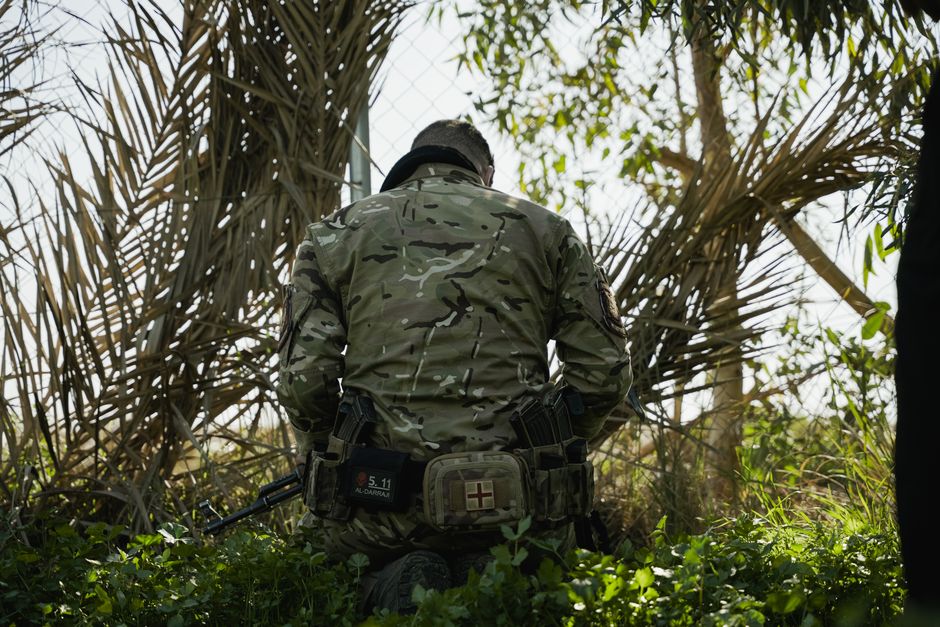
Yet, many service members wonder how to reconcile their calling with their beliefs. A common question among recruits is, Can Christians Join the Military? The answer is a resounding yes. Historically, some of our nation’s greatest heroes have been men and women of deep faith who viewed their service as a noble calling to protect the innocent and defend freedom.
To maintain this balance, many troops rely on a structured approach to their daily spiritual lives. One highly recommended method is the “spiritual sandwich.” In this model, prayer acts as the bread, and Scripture serves as the meat. By utilizing the ACTS model of prayer:
- Adoration: Praising God for who He is.
- Confession: Seeking forgiveness and maintaining a clean heart (1 John 1:9).
- Thanksgiving: Expressing gratitude for blessings and protection.
- Supplication: Asking for guidance, safety, and strength for the mission ahead.
This simple routine provides a highly portable, deeply effective way to keep God at the center of a hectic military schedule.
Personal Devotion: Do We Give God Enough Attention Today’s Military?
When we look at the individual level, the question of Do We Give God Enough Attention Today’s Military? becomes highly personal. A daily quiet time is the lifeblood of spiritual growth, yet it is often the first thing to slip when operations intensify.
Establishing a consistent habit of Bible reading and prayer requires intentionality. Whether you are on a carrier deck, in a field tent, or working a desk at a major command, finding a quiet, distraction-free location is key. It might be a parked vehicle, an empty office, or simply putting on noise-canceling headphones in a crowded bay. For those considering entering this environment, it is helpful to look at I’d love your feedback on biblical principles to consider when joining … to understand how to build a strong biblical framework before the pressure of active duty begins.
Overcoming Excuses: Do We Give God Enough Attention Today’s Military?
Let’s be honest: military personnel are masters of time management when it comes to training, but we can easily fall short in our spiritual disciplines. It is easy to blame our demanding schedules, but often, the real culprit is distraction. We might claim we don’t have ten minutes for Scripture, yet we find ourselves mindlessly scrolling through social media during downtime.
Overcoming these excuses requires a shift in mindset. We must decide to give God the best, most alert part of our day rather than our exhausted leftovers at midnight. Immediate obedience and structured time management are critical. By setting an alarm just 15 minutes earlier or dedicating a portion of our lunch break to quiet reflection, we can ensure we are spiritually prepared for whatever challenges the day throws our way.
The Pentagon’s Spiritual Climate and Leadership Influence
While individual troops quietly practice their faith, a massive shift has occurred at the highest levels of military leadership. Since the spring of 2025, the spiritual climate at the Pentagon has become highly visible, debated, and overtly evangelical.
Under the leadership of Defense Secretary Pete Hegseth, the Department of Defense has openly embraced public expressions of Christian faith. Hegseth, who frequently carries a Bible stamped with Crusader symbols, has made his spiritual views central to his leadership style. This shift is explored in depth in The Unfiltered Truth About How Important Christian Faith Is in the US Military Today.
One of the most prominent displays of this new era is the monthly Christian prayer and worship service held inside the Pentagon. During these services, high-ranking officials deliver sermons and lead prayers. For example, during one service, Hegseth prayed for the “armor of God” to protect our forces both physically and spiritually. You can read more about these events in the report on how Hegseth Prays for ‘Armor of God’ on Military at Pentagon Worship Service.
Official Worship Services and the Establishment Clause
These official, highly publicized worship services have sparked intense legal and constitutional battles. Organizations like Americans United for Separation of Church and State have filed lawsuits against the Department of Defense, arguing that these government-sponsored sectarian events violate the Establishment Clause of the First Amendment.
The controversy intensified in February 2026 when the Pentagon invited Pastor Doug Wilson, a self-described Christian nationalist who openly opposes women serving in combat roles, to deliver a sermon to troops. Critics argue that hosting such polarizing figures sends a signal of official endorsement for a highly specific theological and political viewpoint. For a closer look at this event, read about how the Christian nationalist pastor speaks on his sermon to troops at Pentagon.
The Impact of Sectarian Rhetoric on Unit Cohesion
The integration of explicit religious framing into military operations has raised serious concerns about unit cohesion and morale. With the ongoing war in Iran, some commanders have reportedly used apocalyptic and eschatological language in official briefings, framing the geopolitical conflict as a biblical battle of Armageddon.
When leaders frame military missions in sectarian terms, it can create deep divisions within a pluralistic force. Service members who do not share those specific beliefs—including mainline Christians, Jews, Muslims, and non-religious troops—may feel alienated or pressured to conform. This climate of heightened tension is detailed in the analysis of how the Iran war, Hegseth agenda test religious freedom in ranks – Yahoo News UK.
Challenges to Religious Freedom and Pluralism in the Ranks
The current spiritual landscape has created a complex environment for religious freedom within the ranks. To understand the scope of this issue, let us look at how the military’s religious demographics compare to the complaints logged by advocacy organizations:
| Category | Demographic Percentage / Statistic |
|---|---|
| Identified Christian Troops | Nearly 70% |
| Other / Unclassified / Unknown | Nearly 25% |
| Atheist, Agnostic, Jewish, Muslim, Buddhist, etc. | ~5% |
| MRFF Clients Represented Since Founding | Over 100,000 |
| Percentage of MRFF Clients Who Identify as Christian | Approximately 95% |
| Complaints Logged Since the Iran War Began | Over 200 (across 50+ installations) |
These statistics reveal a surprising truth: the vast majority of those seeking help to protect their religious freedom are actually Christians who feel that the aggressive promotion of specific, evangelical interpretations of faith infringes upon their own religious liberties.
The pressure to conform can be immense in a hierarchy where your career depends entirely on the evaluations of your superiors. This has led to a worrying trend where service members feel they cannot speak out. The depth of this concern is highlighted In an email thanking MRFF, a DoD mental health professional writes: “Patients are afraid to seek care due to the fear that disclosing dissent even in the medical setting will lead to a report to their command.” – Military Religious Freedom Foundation.
The Role of Military Chaplains in a Pluralistic Force
The U.S. Military Chaplain Corps has a proud history dating back to 1775, when George Washington established it to provide spiritual care to all soldiers, regardless of their denomination. Over the decades, the corps has evolved to represent more than 100 diverse faith groups, welcoming its first Muslim chaplain in 1994 and its first Buddhist chaplain in 2008.
However, recent policy shifts have disrupted this pluralistic tradition. Under current Pentagon leadership, the number of recognized faith codes has been dramatically reduced from over 200 down to just 31. Furthermore, chaplains have been ordered to wear only their religious insignia on their uniforms, removing their military rank insignia. Critics argue these changes diminish the chaplains’ integration within units and make it harder to address the diverse spiritual needs of the force. These developments are discussed in our overview of Moral in the Military 2025.
Dissent, Mental Health, and Command Reporting Fears
When service members feel spiritually coerced but are unable to express dissent through normal channels, the psychological toll can be severe. This often results in “moral injury”—a deep cognitive and emotional conflict that occurs when a person’s moral code is violated.
Because of the strict military hierarchy, junior troops are often terrified of command retaliation if they refuse to attend “voluntary” prayer breakfasts or voice discomfort with a commander’s religious statements. This fear has unfortunately bled into the medical and counseling fields, where troops worry that disclosing their struggles to a military psychologist might result in an adverse report to their commanding officer. This barrier to help-seeking behavior is one of the most critical challenges facing military mental health professionals today.
Frequently Asked Questions About Faith in the Military
Can Christians serve in the military according to biblical principles?
Yes, Christians can absolutely serve in the military. Throughout Scripture, we see God utilizing military leaders and soldiers to accomplish His purposes. The concept of “Just War” outlines that military force is permissible when used to restrain evil, protect the innocent, and maintain peace.
Historically, faithful warriors like Uriah the Hittite demonstrated incredible honor, self-denial, and loyalty to their brothers-in-arms, serving as a powerful model of devotion. For a deeper theological exploration of this topic, you can read the resource May A Christian Serve in the Military? as well as the perspective on Should Christians join the military? A Forgotten Perspective. – CSBV.
How do Navy SEALs and special operators integrate their Christian faith?
Many of our nation’s most elite warriors are men of profound faith. For a Navy SEAL, spiritual strength is not separate from tactical capability; it is the very foundation of their resilience. Operating in the darkest corners of the world requires a deep moral anchor and the knowledge that their soul is secure, allowing them to perform their duties with absolute focus and courage.
To learn more about how these elite operators balance their warrior identity with their devotion to God, check out Navy Seals Who Are Christians and explore our detailed look at the Navy Seal Christian Faith.
What resources help service members maintain their daily quiet time?
Maintaining a daily quiet time in the military requires portable, high-impact resources. Utilizing the ACTS prayer model and structured Bible reading plans are excellent starting points. Additionally, carry-along devotionals and targeted books are highly effective for keeping your focus sharp during deployments.
If you are looking to strengthen your spiritual walk or want to send a meaningful gift to a service member, we highly recommend checking out our curated list of Christian Books for Military Men to Strengthen Faith. A fantastic resource for daily inspiration is the book Dare to Live Greatly, which provides powerful lessons on living out a bold Christian faith under pressure.
Conclusion
At USMilitary.com, we believe that providing robust spiritual support for our service members is vital to the health and readiness of the force. However, we also recognize that true religious liberty means protecting the constitutional rights of every single service member—whether they are Christian, Jewish, Muslim, Buddhist, or adhere to no faith tradition at all.
As we look to the future, the military must strike a careful balance. We must encourage personal devotion and ensure that those who want to give God their attention have the time, resources, and support to do so. At the same time, we must guard against spiritual coercion and maintain the religious neutrality of our command structures so that every patriot who wears the uniform feels equally valued and respected.
If you are looking to learn more about military life, career opportunities, or the unique cultures of each service branch, we invite you to explore our Complete Guide to Branches of the Military and visit us at USMilitary.com for the latest resources, benefits information, and support.
Free for Service Members & Veterans
Get the military benefits intel no one tells you about.
Weekly updates on VA benefits, pay changes, and money tips — free for service members and veterans.
No spam. Unsubscribe anytime. Your info is never shared.


