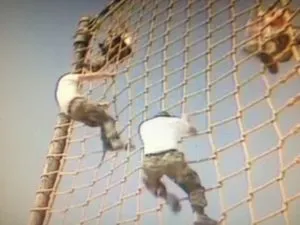
Basic Underwater Demolition SEAL training, also known as BUD/S, is typically six months long, assuming the trainee is not injured and has been rolled back to the next BUD/S class. The first phase is basic conditioning that includes hell week (5 1/2 days), the second phase is combat diving, and the third is land warfare. Becoming a SEAL isn’t a sprint; it’s a marathon of physical and mental endurance. If you’re considering this path, understand the timeline and the commitment involved.
Table of Contents:
- Initial Training: The Crucible
- How Long is Navy SEAL Training After BUD/S?
- We’re venturing past the point of simple qualification, where passion and personality take center stage. Up your game with never-stopping training and specialization that zeroes in on what matters most.
- The last chapter of our story is about to unfold, where the main plot twists are resolved, and we get our Closure with a capital C.
We Roll Out with an intense foundational program engineered to catapult your skills and confidence to new heights from the very start. Step into the intense, inflammatory world of “The Crucible,” where fear and paranoia simmer, eventually boiling over into hysteria.
Before earning the coveted Trident Pin, you’ll have to survive BUD/S, the grueling Basic Underwater Demolition/SEAL training that pushes limits. This rigorous 6-month course in Coronado, California, pushes candidates to their limits. BUD/S has an attrition rate of around 68%.
At best, this means only about a third make it through. Think you’ve got the right stuff? The next section details your challenges as a SEAL candidate while attending seal training.
Phase 1: Basic Conditioning
Seven weeks of intense physical training, water competency drills, and mental toughness tests follow. Teamwork is forged in the fires of shared hardship. This phase culminates in the infamous “Hell Week.”
This five-and-a-half-day ordeal severely restricts sleep. Candidates get just four hours of sleep while facing constant physical and mental challenges. Many ring the bell, quitting, but those who persevere prove their resilience.
Phase 2: Combat Diving
Most SEAL missions originate in the water, so combat diving is central to SEAL training. This seven-week phase covers open and closed-circuit diving. Underwater navigation and performing these tasks under stress are also emphasized. Those who dislike underwater environments find these conditions challenging. Navy seal training frequently focuses on underwater competency, as underwater demolition is one of their core specialties. Many weeks are spent learning these critical skills required to become a true Navy SEAL.
Phase 3: Land Warfare
This final seven-week BUD/S phase focuses on land combat, weapons training, and demolitions. Candidates hone land navigation, patrolling, rappelling, and marksmanship. The last few weeks take place on San Clemente Island. Here, SEAL hopefuls refine their skills in unforgiving environments. Much of the remaining seal training is land-based.

How Long is Navy SEAL Training After BUD/S?
Completing BUD/S is a significant accomplishment, but it’s not the end. SEALs move onto advanced training to become deployable personnel. The following table shows a snapshot of this:
| Training Phase | Duration | Focus |
|---|---|---|
| SERE Training | 6 weeks | Survival, Evasion, Resistance, and Escape techniques. |
| SEAL Qualification Training (SQT) | 26 weeks | Advanced tactical training, mission planning, and specialized skills. |
SERE Training: Preparing for the Unthinkable
The Survival, Evasion, Resistance, and Escape (SERE) course is a mental and physical battle. This six-week training prepares SEAL candidates for capture evasion, interrogation resistance, and survival. It builds resilience, resourcefulness, and an unbreakable will. SEAL teams depend on these skills when placed in adverse situations, and Navy SEAL training has emphasized SERE training for many decades. These additional weeks serve a critical purpose.
SEAL Qualification Training (SQT)
Finally, following BUD/S, SEAL Qualification Training (SQT) turns BUD/S graduates into operational SEALs. This qualification training phase solidifies the initial training and makes it practical. These final weeks of core warfare training skills culminate over a year of intense work and help forge highly trained Navy SEALs.
Beyond Qualification: Continuous Training and Specialization
After roughly a year and a half of pre-deployment training, SEALs never truly stop training. It’s no longer how long initial Navy SEAL training is. It is about continuous skill growth. Instead, SEALs constantly train to keep up with the latest standards and to continue pushing physical and mental boundaries. Additional time in boot camp further solidifies these expectations.
This may include advanced or specialized courses. It also contains real-life experience during assignments and deployments. SEALs might undergo further specialized training. For instance, some might train as special operations forces (SOF) medics. Specializations often add months or even years to total training. This total includes how many weeks SEAL Qualification Training took and all other preparatory training, like basic weapons, combat diving, and land warfare.
Conclusion
So, how long is Navy SEAL training? It takes over two years to transform recruits into deployable SEALs. Even then, SEAL training continues, constantly evolving and demanding. This career requires deep commitment. If this journey interests you, find your inspiration. Embrace the commitment and persevere. Few achievements match earning the SEAL Trident. All potential seal candidates should consider if they can stick through such a strenuous training program.
Navy SEAL Training: Is It The Toughest Military Training in the World?
Why It Never Helps to Pass the Buck
Want more military info? Find your nearest military recruiter here!
Free for Service Members & Veterans
Get the military benefits intel no one tells you about.
Weekly updates on VA benefits, pay changes, and money tips — free for service members and veterans.
No spam. Unsubscribe anytime. Your info is never shared.


