Picture this: you’re standing at a crossroads, the paths ahead leading to two of America’s most esteemed military forces – the Marines vs Army. Choosing one is no small feat; each path represents a unique culture, training regimen, and operational strategy that shapes not just soldiers but history itself.
Let’s take that first step to understand what sets these forces apart. You’ll get why Marine recruits face such demanding entry standards while the Army casts a broader net with its inclusive approach. It’s all about crafting warriors with distinct identities from day one.
Dive more profoundly; you’ll see how discipline versus tactical smarts play out in their training cultures. We’ll explore squad dynamics up to tech advancements on today’s digital battlefield – it’s more than just boots on the ground now! By sticking around until our final words march off this page, you’ll grasp how budgets shape these elite units as they adapt to tomorrow’s challenges.
Marines vs Army Table Of Contents:
- Comparing Entry Standards: Marines vs Army
- Culture and Discipline in Training
- Operational Strategies and Areas of Responsibility
- Infantry Organization and Squad Dynamics
- Technological Integration in Modern Warfare
- Budget Constraints and Force Adaptation
- Conclusion
Comparing Entry Standards: Marines vs Army
Marine Corps Recruitment Criteria
The United States Marine Corps prides itself on maintaining a reputation of excellence, beginning with its stringent entry requirements. Potential recruits are expected to bring more than just determination; they must also have completed their high school education. Unlike other branches, the idea here is simple: equip every Marine with physical prowess and an educational foundation to handle the rigorous service demands.
This insistence on a diploma isn’t just for show; it sets up recruits for success in a culture known for its no-nonsense attitude and intense discipline from day one. The result? A force ready to tackle some of the nation’s most demanding military challenges.
Army’s Inclusive Approach
In contrast, the U.S. Army casts a broader net regarding educational prerequisites by welcoming those who hold GEDs alongside traditional high school graduates. This inclusive strategy reflects an understanding that potential lies beyond conventional schooling paths and opens doors to individuals eager to serve regardless of their academic background.
This broader recruitment approach shapes the composition of the Army, making it as diverse as America itself—rich in experience and perspective—and perhaps more reflective of society at large than any other branch.
To learn about each branch’s specific requirements, visit Marine Corps Enlistment Requirements or check out what you need to join the Army. These standards do not merely signify eligibility; they’re foundational pillars shaping everything from daily routines within these storied institutions to overarching operational philosophies guiding global missions.
Culture and Discipline in Training
Marine Physicality and Discipline
Marines embrace an almost Spartan ethos that sees them wake up before the sun gets its boots on, ready to tackle a day where intensity isn’t just encouraged; it’s expected. The training here isn’t for the faint-hearted. It’s about pushing mental and physical limits to forge warriors as tough as nails—and twice as sharp.
In this commitment to excellence, recruits learn quickly that “pain is weakness leaving the body.” With a focus on high-intensity exercises ranging from relentless obstacle courses to grueling combat conditioning marches, Marines build muscle and indomitable spirit—a key ingredient for battlefield success.
But let’s get one thing straight: when we talk about discipline within the ranks of these leathernecks, we’re not talking about mindless obedience. We’re discussing precision—the kind you see when every platoon member moves with such synchronicity they might as well be one organism. This meticulous attention to detail ensures that each Marine can implicitly rely on their brothers and sisters in arms—during peacetime drills or under enemy fire.
Army’s Tactical Emphasis
If Marines are often seen charging headlong into battle, muscles bulging and bayonets gleaming, then think of Army soldiers like chess players in camouflage gear—they’re trained fighters, too. Still, there’s extra emphasis on strategy smarts over sheer strength. While brawn matters, brains take center stage as strategic thinking, problem-solving skills, and communication capabilities come together, creating troops equipped to handle the complexities of modern warfare.
This approach doesn’t mean Army training takes it easy physically; it is far from it. Soldiers still undergo rigorous fitness programs, ensuring they can haul heavy packs, march long distances, and engage effectively hand-to-hand. But alongside push-ups and powerlifting, you’ll find classrooms filled with future leaders dissecting past conflicts, studying current threats, and planning how to outmaneuver opponents in the next global hotspot. They say knowledge is power. In the case of the US Army, it is considered true firepower.
The Army balances brawn with brains, emphasizing strategic smarts in their training to prepare soldiers for the complexities of modern warfare—where knowledge becomes true firepower.
Operational Strategies and Areas of Responsibility
The battlefield is a chessboard; like in the game, every piece has unique moves. The Marines and Army’s operational strategies reflect distinct approaches to military engagements.
Marines’ Specialized Assignments
In the fast-paced world of global conflicts, rapid response can be crucial. The Marines shine here with an agility akin to a swift-moving knight on our chessboard. Tasked often with dangerous missions requiring immediacy, they’re expected to deploy quickly and establish footholds in hostile environments. Think of them as shield bearers and spearheads, first into uncertain terrain but also ready for frontline combat that demands resilience beyond measure.
This readiness isn’t accidental; it’s by design—the Marine Corps zeroes in on areas deemed particularly difficult or complex because their training prepares them strictly for these high-stakes scenarios. They’ve become synonymous with adaptability under fire—a trait that becomes indispensable when operating within uncertainty or emerging crises.
Read 12 Characteristic Traits To Survive SEAL Training . . . and Life!
Army’s Balanced Operations
The Army marches across this metaphorical board differently—they hold ground like powerful rooks moving straight through easy terrains while equally capable in tough spots. Their breadth includes peacekeeping duties alongside full-scale warfare operations spanning diverse landscapes, from deserts to mountains.
A strategic mix defines the Army’s approach: they leverage sizeable formations equipped not only for combat but also support roles essential for long-term stability operations—an embodiment of might coupled with methodical planning meant to address wide-ranging mission requirements effectively.
Infantry Organization and Squad Dynamics
Marine Infantry Company Structure
The Marine infantry company is a force to be reckoned with, designed for sheer firepower and adaptability. Picture this: heavy machine guns barking, rocket launchers roaring, and the focused gaze of sniper teams—all in one robust platoon. This isn’t just about packing a punch; it’s a strategic genius.
Marines operate like a Swiss Army knife—versatile and ready for anything. Their organization allows them to seamlessly transition between roles on the battlefield because everything they need is in their unique structure.
Testing Larger Marine Squads
Size matters on the battlefield—or so the Marines believe as they experiment with upsizing squads from an already sturdy 11 members to an imposing 15 warriors per unit. Why? It’s simple: more boots on the ground equals more versatility in responding to dynamic combat scenarios.
This shift could revolutionize how we think about small-unit effectiveness in modern warfare—a larger squad may mean better resilience under pressure and enhanced operational capabilities that keep enemies guessing.
Army’s Platoon Composition
If you’re curious about how the Army plays its game of chess with human pieces, look no further than its platoons. Each consists of four well-oiled squads brimming with nine soldiers who split into two fire teams—an embodiment of balance if ever there was one.
This composition mirrors military precision and showcases tactical acumen; each team within those squads has distinct responsibilities that form an unstoppable engine driving toward mission success. The structured approach ensures flexibility yet maintains order, providing both backbone and brainpower where needed most on today’s complex battlefields.
Technological Integration in Modern Warfare
The modern battlefield is like a chess game where the latest tech powers every piece. The Marines and Army are leveling up, ensuring their squads and platoons pack more punch than ever before.
Marine Tech Advancements at Squad Level
Innovation isn’t just for Silicon Valley startups; it’s front and center with every Marine squad. Imagine each group of Marines equipped with traditional firepower and drones buzzing overhead, iPads for real-time intel, and anti-tank measures that make enemy armor think twice. This gear isn’t just cool—it keeps our troops one step ahead when they make tough calls on complex terrains.
This integration means whether they’re patrolling remote areas or engaged in urban warfare, Marines have access to data and support that can turn the tide of any engagement. It’s about giving them eyes everywhere while keeping boots firmly on the ground.
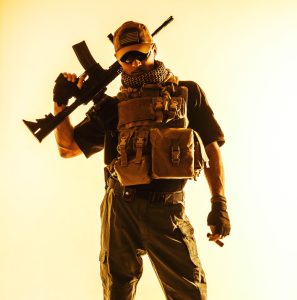
Organic Firepower in Army Platoons
The Army’s approach mirrors an orchestra where each instrument plays a vital role: enter heavy weapons organic to each platoon. These aren’t your granddad’s muskets; we’re talking 240 lemmas thundering away as assistant gunners coordinate fire-like conductors with batons—precision amidst chaos. Then there’s the Javelin anti-tank system—a David vs Goliath slingshot bringing down armored behemoths from afar.
All this hardware ensures when soldiers roll out, and they bring a full arsenal tailored to whatever mission awaits—urban skirmishes or open-field battles? They’ve got it covered.
Budget Constraints and Force Adaptation
Money talks, especially regarding the US military’s capacity for adapting its forces. The budget is a puzzle that requires fitting pieces of training, technology, and manpower together without going overboard financially.
Marine Corps Recruitment Criteria
The Marine Corps sets high standards for those looking to join their ranks; they’re after folks with more than just grit—they want educated grunts, too. They stick to requiring a high school diploma from potential recruits. This isn’t about being picky—it shapes the force by insisting on a certain level of education right off the bat.
This focus is also reflected in how Marines are perceived as an elite fighting force where each member brings physical prowess and intellectual capability into play. You won’t find many jarheads who haven’t walked across that graduation stage before boot camp kicks off.
Army’s Inclusive Approach
An inclusive recruitment policy means tapping into broader American demographics and weaving them into the fabric of Army life—an intelligent move considering varied perspectives can be game-changers in complex global missions.
Fiscal responsibility underpins these strategies because, let’s face it—the ledger has to balance at day’s end. Adapting troop strength based on economic realities ensures both branches defend freedom without breaking Uncle Sam’s bank.
Marines vs Army Conclusion
Now you’ve marched through the details. Marines vs Army isn’t just a comparison; it’s about unique paths to service. Remember, Marine entry standards are tough as nails – they build resilience from the get-go. The Army opens its arms wider, aiming for diversity and strategic minds.
Dig into training and culture; Marines are sweating discipline with every push-up. In contrast, the Army’s playing chess – brains over brawn matters here.
Think about their operations: Marines rush where speed and guts count most, while the Army holds down fortresses far and wide.
In this clash of titans, each force carves out its legacy under fire and innovation – shaping not only warriors but also tomorrow’s victories.
Want more military info? Find your nearest military recruiter here!
Free for Service Members & Veterans
Get the military benefits intel no one tells you about.
Weekly updates on VA benefits, pay changes, and money tips — free for service members and veterans.
No spam. Unsubscribe anytime. Your info is never shared.


