What Qualifies as a Medical Exemption from the Military Draft?
Military draft exemptions medical standards are set by the Department of Defense (DoD) and apply to both voluntary enlistment and any future draft scenario. Here is a quick overview of the main medical categories that can disqualify someone from serving:
| Medical Category | Example Conditions | Waivable? |
|---|---|---|
| Respiratory | Asthma diagnosed/treated after age 13 | Sometimes |
| Neurological | Current epilepsy, multiple sclerosis | No |
| Psychiatric | Schizophrenia, active psychotic disorders | No |
| Cardiovascular | Implanted pacemaker, ALS | No/Sometimes |
| Musculoskeletal | Severe scoliosis (>30°), joint instability | Sometimes |
| Vision | Refractive error >±8.00 diopters | Sometimes |
| Hearing | Average threshold >25 dB at 500–2000 Hz | Sometimes |
| Endocrine | Insulin-dependent diabetes | Rarely |
| Genetic/Chronic | Cystic fibrosis, chronic oxygen use | No |
Note: “No” means no waiver is possible. “Sometimes” means a waiver may be granted depending on severity and stability.
With renewed public interest in draft readiness — especially following recent geopolitical tensions and updates to the 2026 NDAA — millions of Americans are wondering whether a medical condition would keep them out of service. The answer is: it depends on the condition, its severity, and whether a waiver is available.
Not every diagnosis is an automatic ticket out. Some conditions are permanently disqualifying with zero exceptions. Others can be waived if you meet specific criteria, like being off medication for a set period or proving a condition has fully resolved.
I’m Larry Fowler, publisher of the USMilitary.com Network since 2007 and a long-time expert on military enlistment standards — including military draft exemptions medical criteria across all branches. In the sections below, I’ll walk you through exactly which conditions disqualify you, which ones can be waived, and how the process works.

Basic military draft exemptions medical terms:
- What Disqualifies You From A Military Draft?
- Top 10 Disabilities People Are Denied Acceptance During Military Draft
- exemptions military draft
Current Status of the U.S. Military Draft
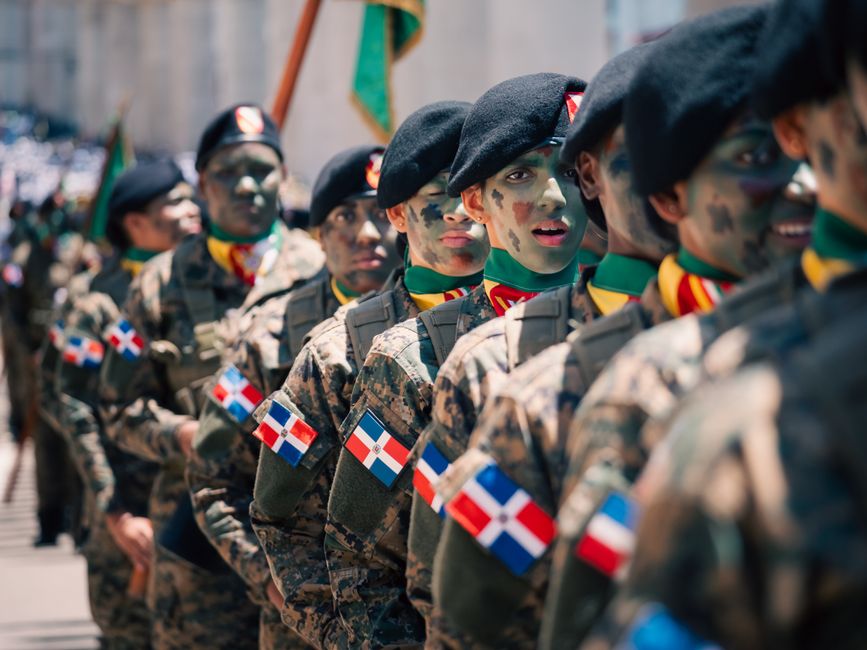
Before we dive into the medical nitty-gritty, let’s clear the air: There is currently no active draft in the United States. Our military has been an all-volunteer force since 1973. However, the Selective Service System remains very much alive and well. By law, nearly all male U.S. citizens and male immigrants (including undocumented individuals and dual nationals) aged 18 through 25 must register.
If a national crisis were to occur and Congress authorized a return to the draft, the Selective Service has a strict timeline. They are required to deliver the first group of inductees to the military within 193 days of the onset of the crisis. Recent discussions surrounding the 2026 NDAA (National Defense Authorization Act) have focused on modernizing this infrastructure, including shifting toward automatic registration using federal records like DMV and Social Security data.
The process would involve a lottery based on birth dates. Once your number is called, you don’t just put on a uniform and head to boot camp; you are sent to a Military Entrance Processing Station (MEPS) for a rigorous evaluation. This includes a review of your moral background—such as military-recruiting-felons-in-the-military/—and your history of substance use, as detailed in our guide on military-recruiting-drug-use-can-you-still-join/. But for most people, the biggest hurdle is the medical exam.
To understand the full scope of how the Selective Service operates in a crisis, you can view the Official procedures for a return to the draft.
Understanding Military Draft Exemptions Medical Standards
If a draft were reinstated, the medical standards used to screen draftees would be the same ones used for voluntary enlistment today. These are governed by DoD Instruction 6130.03, “Medical Standards for Appointment, Enlistment, or Induction into the Military Services.”
The goal of these standards isn’t to be mean-spirited; it’s to ensure that every service member is physically and mentally capable of performing duties in the harshest environments on Earth. When you report to MEPS, you undergo a “whole-person” evaluation. If you are found to have a condition that prevents you from serving, you are given a specific classification.
The most famous of these is 4-F, which denotes a registrant who is “not qualified for military service” due to physical, mental, or moral reasons. During a draft, this classification is essentially your legal medical exemption.
Common Military Draft Exemptions Medical Categories
When we look at military draft exemptions medical data, several common conditions frequently lead to disqualification.
- Asthma: This is a big one. Generally, a history of asthma or any “reactive airway disease” after your 13th birthday is disqualifying. If you haven’t used an inhaler or had symptoms for years, you might get a waiver, but you’ll likely need to pass a pulmonary function test.
- Vision Standards: Your vision doesn’t have to be perfect, but it must be correctable to 20/40 in both eyes. Severe refractive errors (over +8.00 or -8.00 diopters) or significant astigmatism (over 3.00 diopters) are major red flags.
- Hearing Loss: The military is a loud place. If your hearing threshold is worse than 25 dB on average across the 500–2000 Hz range, you may be disqualified. For more on this, check out our article on whether you can join-the-military-deaf/.
- Orthopedic and Musculoskeletal: This covers everything from severe scoliosis (a curvature of the spine greater than 30 degrees) to joint instability. If you’ve had an ACL reconstruction, you usually need to be at least 12 months post-surgery and fully functional to be considered.
- Service Academy Standards: It’s worth noting that standards can be even stricter for those entering service academies. You can see the Common disqualifying conditions for service academies to see how they compare to general enlistment.
How to Prove Military Draft Exemptions Medical Eligibility
In a draft scenario, the burden of proof is on the registrant. If you believe you have a disqualifying condition, you can’t just say, “My back hurts.” You need documentation.
- Medical Records: You must provide comprehensive records from your treating physicians, including surgery notes, pathology reports, and history of medication.
- Specialist Evaluations: Sometimes MEPS will require a consult with a civilian specialist (at the government’s expense) to confirm a diagnosis.
- The 10-Day Window: If you receive an induction notice and want to claim an exemption, you typically have only 10 days to file that claim with your local board.
- Appeals: If your claim is denied, you have the right to appeal to a Selective Service Appeal Board.
Automatically Disqualifying Conditions with No Possibility of Waiver
While many conditions can be waived if they are mild or resolved, a 2025 Department of Defense Memorandum (Attachment 2) lists conditions that are considered “non-waivable.” This means that if you have these, there is no Secretary-level bypass; you are simply ineligible for service.
These conditions include:
- Cystic Fibrosis: A genetic disorder that affects the lungs and digestive system.
- Current Epilepsy: A history of seizures that requires ongoing medication or has occurred recently.
- Multiple Sclerosis (MS) and ALS: Chronic, progressive neurological disorders.
- Chronic Supplemental Oxygen Use: If you require oxygen to breathe, the battlefield is not the place for you.
- Severe Endocrine Issues: While some thyroid issues are waivable, insulin-dependent diabetes is almost always a hard “no” because of the logistical difficulty of providing insulin in combat zones. We have more details on this at can-you-join-the-military-with-diabetes/.
These standards exist because these conditions pose a significant risk to the individual’s health and the safety of their unit when access to specialized medical care is limited.
The Medical Waiver Process for Chronic Conditions
Not every “disqualifying” condition is a permanent end to a military career. Many people serve successfully with a medical waiver. A waiver is essentially the military saying, “We know you have this condition, but we believe you are still fit for duty.”
According to the Medical standards for military accession report, the waiver process is becoming more data-driven. Here are some examples of how common conditions are handled:
- ADHD: This is one of the most common waiver requests. Generally, you must demonstrate that you have been off medication for at least 15 months, have had no academic or work accommodations, and are performing well.
- Food Allergies: A history of anaphylaxis to foods like peanuts or shellfish used to be a hard disqualifier. Now, you may be able to get a waiver if you undergo an “oral challenge” by a board-certified allergist and prove the allergy has resolved.
- Vision Surgery: Procedures like LASIK or PRK are common. You are usually eligible for a waiver if the surgery was performed at least 180 days prior, your vision has stabilized, and there are no complications.
- Mental Health: Conditions like mild depression or anxiety can often be waived if you have been stable and off medication for a period of 12 to 24 months, depending on the severity of the history.
The waiver process involves a “whole-person” review. The military looks at your aptitude scores, your physical fitness, and the needs of the service at that specific time.
Specialized Drafts: The Health Care Personnel Delivery System (HCPDS)
If a draft is ever called, it might not just be for “trigger pullers.” There is a standby plan called the Health Care Personnel Delivery System (HCPDS). This system is designed to draft medical professionals—doctors, nurses, pharmacists, and technicians—if the military faces a severe shortage of healthcare providers.
Key facts about the HCPDS:
- The Pool: It draws from approximately 3.4 million healthcare professionals in over 60 medical fields.
- Age Range: Unlike the general draft (18–25), the HCPDS would target professionals aged 20 through 45.
- Inclusion of Women: Under current standby plans, women in healthcare fields would be included in this specialized draft.
- Community Need: Deferments (classified as 2-AM) could be granted if a healthcare worker’s departure would severely harm their local community’s health.
- Classification: A medical specialist might be classified as 1-AM (available for service) or 2-M (deferred for medical study).
This system is designed to have a minimal impact on the civilian healthcare system while ensuring our troops have the medical support they need.
Frequently Asked Questions about Medical Draft Eligibility
What does a 4-F classification mean during a draft?
A 4-F classification is the official designation for someone who is found “not qualified for military service” for physical, mental, or moral reasons. In the context of military draft exemptions medical issues, this is the final word that you are exempt from service. Historically, this classification was used extensively during World War II and the Vietnam War.
Can I be drafted if I have asthma or use an inhaler?
If you have active asthma that requires the use of an inhaler, you are generally disqualified from service. Under current DoD standards, any diagnosis or treatment for asthma after the age of 13 is a disqualifier. However, if you can prove through medical testing (like a Methacholine Challenge Test) that your asthma has resolved and you no longer need medication, you might be eligible for a waiver.
Are women subject to medical evaluations in a potential draft?
Currently, women are not required to register for the Selective Service and therefore would not be subject to a general draft or its medical evaluations. However, under the Health Care Personnel Delivery System (HCPDS) mentioned above, female medical professionals aged 20–45 could be drafted and would undergo the same medical fitness screenings as men.
Conclusion
Understanding military draft exemptions medical standards can be overwhelming, but it boils down to one thing: readiness. The U.S. military needs a force that is healthy, resilient, and capable of enduring the stresses of combat. Whether you are looking to volunteer today or simply curious about “what if,” knowing these standards helps you understand the high bar set for the American warfighter.
If you have a medical condition, don’t automatically assume you’re out. The waiver process exists for a reason, and many conditions that were once “deal-breakers” are now manageable with the right documentation.
At USMilitary.com, we are dedicated to providing you with the most accurate, up-to-date information on military benefits, career paths, and enlistment requirements. If you want to dive deeper into the mechanics of how a draft works, Learn more about the U.S. military draft on our main guide. Stay informed, stay healthy, and thank you for your interest in our nation’s defense.
Free for Service Members & Veterans
Get the military benefits intel no one tells you about.
Weekly updates on VA benefits, pay changes, and money tips — free for service members and veterans.
No spam. Unsubscribe anytime. Your info is never shared.


