
Key Highlights
- In the event of a World War or national emergency, the United States may reinstate the military draft.
- The Selective Service System would be activated to conscript individuals for military service.
- Currently, all men aged 18 to 25, including citizens and most male immigrants, are required to register.
- A draft lottery system based on birthdays would determine the order in which people are called.
- Exemptions and deferments may be available for specific occupations, medical conditions, and conscientious objectors.
Introduction
As tensions around the world go up, many people in the United States want to know what could happen if there is a big conflict, like a third world war. One major worry is the military draft, which the United States has not used since 1973. People want to know how this system would work, who would have to go, and what the full process would look like. This guide will help you understand what you need to know if there is a draft. It covers who is eligible, how the lottery system works, and who could be excused from serving.
How the Draft Would Work in the United States If WW3 Starts
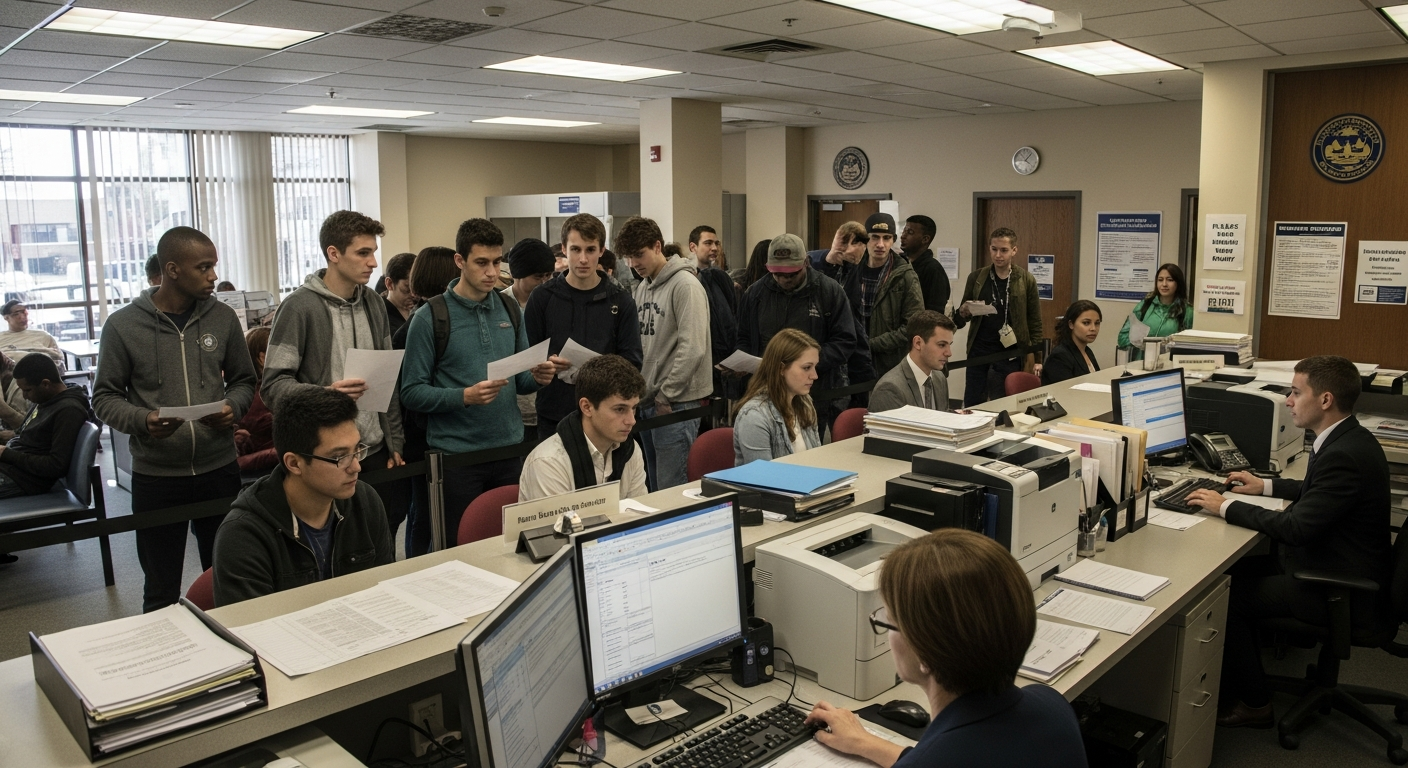 If the United States had a national emergency like a World War, the government could bring back the military draft to help add more people to its all-volunteer Armed Forces. This would not be quick. Congress and the President would need to make it happen, and they would use the Selective Service System.
At first, the men called would be those who turn 20 during the year of the lottery. If that is not enough, the draft would take men who are 21 years old, then 22, and so on, up to men who are 25, before moving to younger ages. This order helps things stay clear and easy to follow. Now, let’s talk about the first things needed to start the selective service system.
Activation of the Selective Service System and Government Involvement
The first step is for Congress to pass a law that changes the Military Selective Service Act. This lets the President, like Donald Trump, bring people into the military. When there is this approval, the Selective Service System moves from being on standby to being active.
When the system is turned on, all service staff get told to come in and do their jobs. Reserve Force Officers and some retired military members open Area Offices. They will use these offices to help with registrants’ claims. This is an important part of setting up what is needed for a large draft during a national emergency.
These new draftees would be sent to the Department of War, which is an old name that might be used again. If the President and Congress agree, there will also be alternative service choices for conscientious objectors. The whole process is built to work fast. People would be sent to the military within 193 days after the first step is taken to start the draft and use the selective service system.
Draft Lottery Process and Order of Selection
Once the Selective Service is activated, a draft lottery would be held to determine the order of selection. This process involves a random drawing of birthdays and is designed to be fair and transparent. The event would be publicly attended, nationally televised, and even live-streamed to ensure everyone can see how the sequence is established.
The order of the call-up is based on age. The first group to receive induction orders would be men whose 20th birthday falls during the year of the lottery. If more troops are required, additional lotteries would follow a specific sequence.
After the lottery, induction notices are sent out, ordering individuals to report to a local Military Entrance Processing Station (MEPS). It’s at this point that registrants can file claims for postponements, deferments, or exemptions. The selection priority is as follows:
| Priority Group | Age During the Calendar Year of the Draft |
|---|---|
| First | Men turning 20 years old |
| Second | Men turning 21 years old |
| Third | Men turning 22 years old |
| Fourth | Men turning 23 years old |
| Fifth | Men turning 24 years old |
| Sixth | Men turning 25 years old |
| Seventh | Men turning 19 years old |
| Eighth | Men aged 18.5 years old |
Who Is Eligible for the Draft During World War 3?
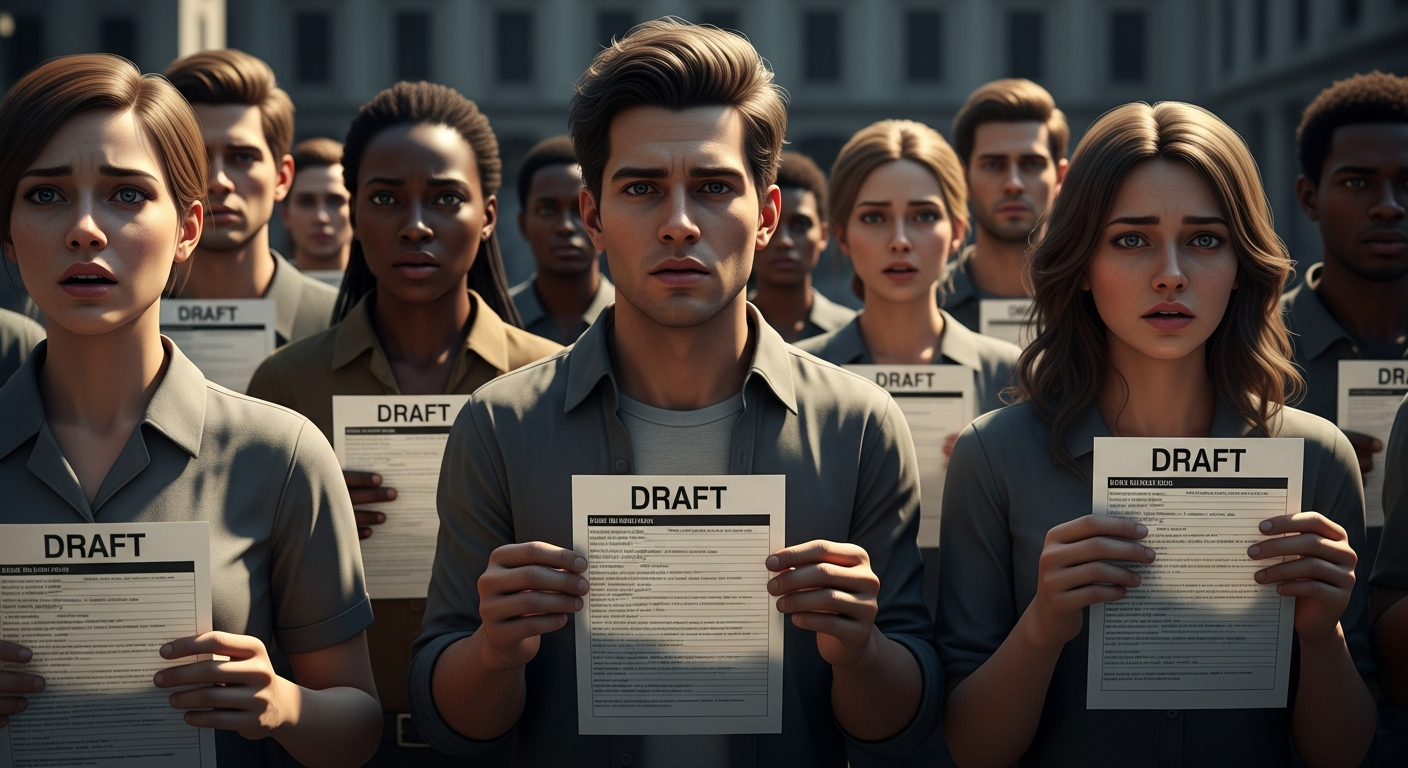 Draft eligibility is set by the Military Selective Service Act. If there is a global war, the rules for the Selective Service System cover many people. Almost all male US citizens and male immigrants in the country must sign up with selective service.
So, your immigration status does not keep you out of the draft process. The main things that matter for draft eligibility are age and gender. Federal law has set these rules for many years. Now, let’s look at these requirements more closely.
Age Requirements and Demographic Criteria for Draftees
Under federal law, nearly all men must sign up with the Selective Service in the 30 days after they turn 18. The time to register stays open until their 26th birthday. If you don’t sign up, there may be big fines or you could end up in jail.
This rule covers U.S. citizens, and it includes most male immigrants, no matter what their immigration status is. It makes sure that, in case of a national emergency, there is a large and ready group to choose from. The law is set so that all kinds of young men can be added to the list.
After a man is registered, he can be picked in a draft up to his 26th birthday. If there is a need for a draft, the lottery system uses their birth years to call names, and it starts with those who are 20. The system brings these additional citizens in a planned way.
Gender: Would Women Be Drafted Alongside Men?
Right now, the law says that only men in the United States need to sign up for the Selective Service. If there is a draft, only men would be told to do national service. Women do not have to sign up for this.
Women have been able to serve in all combat roles in the U.S. military since 2013. Even though there have been talks about changing this rule, Congress has not passed any law that makes women sign up too. In 2016, there was an idea to add women in the National Defense Authorization Act. But this amendment was removed and did not become law.
So, if women are to be called up in a future draft, Congress must pass a new law to change the Military Selective Service Act. Some other countries have their women join as well, but the United States does not do this yet.
Exemptions, Deferments, and Who Might Avoid the Draft
Even if the Selective Service System calls you, it does not always mean you will have to go. There are different reasons someone might not have to serve. Some people could be working in important jobs or have some psychological conditions that stop them from serving.
You should know that just being a college student or having student loans does not mean you will get out of service for sure. The system looks at each person’s case, one by one, and follows clear rules. Let’s talk about some categories in the selective service that may help someone stay out of the draft.
College Students, Essential Occupations, and Medical Exemptions
Being in college does not mean you will not be called. But students might get a deferment so they can finish their semester. Even so, they will still have to serve if someone calls them. On the other hand, people who work in special jobs that help with national security may get a deferment, too. These jobs include people in healthcare, energy, or cybersecurity. There is no list that shows every job that counts.
Medical exemptions are also important. People with some medical conditions or mental health problems often can not meet the physical and mental demands of service. Here are some health issues that can lead to an exemption:
- Asthma
- Diabetes
- Severe allergies
- Certain heart problems
They look at these medical conditions during an in-person checkup at a Military Entrance Processing Station. This check looks at physical, mental, and moral parts of a person. Also, elected officials, some war veterans, and Reserve Force Officers do not usually get drafted.
Non-Citizens, Conscientious Objectors, and Special Circumstances
Non-citizens have clear rules when it comes to the draft. Most male immigrants need to sign up, but if they will be picked for the draft or not may change based on their immigration status. For example, if someone is in the country on a student or visitor visa, he does not have to register. But lawful permanent residents must sign up for the draft and can be picked for it.
People who have strong moral or religious feelings against war can get the status of conscientious objectors. This does not mean they do not serve at all. If they get permission, they may be sent to jobs away from combat roles or do an alternative service in other areas, like healthcare or taking care of the environment. The Supreme Court has said these rights for conscientious objectors are real, but the person has to show proof.
There are other special cases where a person may not have to serve. If someone is the only one who cares for a person who could be in trouble if left alone, he can get out of the draft. People who are in jail are also not picked for the draft. Every case is looked at on its own to decide if someone is eligible or not.
Conclusion
In the end, the idea of a draft during World War 3 brings up many important things to think about. The age and group rules, and the changing part of women in the military, play a big role in how people are picked. Rules about who must go, like those for college students and workers who are needed, show that this process is not simple. As we deal with these questions, it is good to keep up with what the draft could mean for us. If you want advice or more details about this subject, you can get in touch for help. Being aware and ready can help you know what to expect with world war concerns.
Frequently Asked Questions
Can a Person Refuse Being Drafted and What Happens Next?
Yes, someone can say no to the military draft. But if you do this, it goes against federal law. People who do not sign up with the selective service system or who do not go when called can have to pay a fine of up to $250,000. They can also go to jail for five years. The only way not to join and do it legally is if you qualify as a conscientious objector.
Are Certain Jobs or Professions Less Likely to Be Drafted During WW3?
Some people who do jobs that are very important for the country during a national emergency might not have to go into military service right away. This can be true for those who work in healthcare, energy, or for the government. Elected officials and some Reserve Force Officers also do not have to take part in the selective service draft.
Are People With Medical Conditions Still Required to Serve If Drafted?
No, people who have serious medical conditions or mental health disorders usually do not have to do military service. The Military Selective Service Act gives medical exemptions to these people. There is a careful physical and mental check to see if someone can serve. If a person does not meet the standards, they are not allowed to take part in selective service.
Free for Service Members & Veterans
Get the military benefits intel no one tells you about.
Weekly updates on VA benefits, pay changes, and money tips — free for service members and veterans.
No spam. Unsubscribe anytime. Your info is never shared.


