Why Finding Army Recruiters in My Area Is Your First Step to Service
Army recruiters in my area are your direct connection to understanding military service, career opportunities, and enlistment requirements. Here’s how to locate them quickly:
Quick Ways to Find Army Recruiters Near You:
- Use the Official Army National Guard Recruiter Locator – Search by zip code or city to find the closest office
- Call 1-888-550-ARMY (2769) – Connect directly with your local recruiting office
- Visit Walk-In Locations – Most recruiting offices welcome drop-ins during business hours (typically Monday-Friday, 9:00 AM – 5:00 PM)
- Attend Community Events – Recruiters regularly appear at career fairs, school visits, and local events
With 405 Army National Guard recruiting locations nationwide, finding a recruiter close to you is easier than you might think. These professionals serve as your personal guide through the entire enlistment process—from answering basic questions to helping you choose the right career path.
The recruiting process has evolved significantly with technology. Today’s recruiters use social media, online chat, and virtual meetings alongside traditional in-person appointments. They’re trained to provide honest information about military life, career options, and benefits without high-pressure tactics.
Whether you’re exploring part-time service through the National Guard or considering active duty, your local recruiter is your best resource. They can explain the 300+ career paths available, discuss education benefits, and help you understand what military service really means for your future.
I’m Larry Fowler, publisher of USMilitary.com Network, and since 2007 I’ve helped thousands of people connect with army recruiters in my area through our military career resources. My team has provided qualified prospects to Army, National Guard, and other military branches, giving me unique insight into what makes the recruiting process work.
How to Find Army Recruiters in My Area
Locating army recruiters in my area is often the very first step toward a fulfilling military career. In today’s interconnected world, you have several avenues to explore, ranging from advanced online tools to traditional in-person visits and community engagement. Our goal at USMilitary.com is to simplify this process, providing you with the most effective ways to connect with the right Army or Army National Guard recruiter for your journey.
We understand that searching for “army recruiters in my area” means you’re ready to take action. That’s why we’ve compiled the best strategies to ensure you find a recruiter who can provide personalized guidance and answer all your questions. With hundreds of Army and Army National Guard recruiting locations across the United States, there’s always a point of contact nearby.

Using Official Online Locator Tools
The easiest and most efficient way to begin your search for army recruiters in my area is by utilizing official online locator tools. These platforms are designed to quickly pinpoint the nearest recruiting offices and provide essential contact information.
For those interested in the Army National Guard, the Official Army National Guard Recruiter Locator is an invaluable resource. This tool allows you to search by zip code or city, instantly displaying nearby offices. For example, the Kansas Army National Guard alone has recruiting offices in at least 20 cities, making it easy to find a location that suits you. The broader Army National Guard Recruiting Locations page also provides a comprehensive directory, showing locations from 1 to 405 across the nation.
Similarly, for the active-duty Army, the official GoArmy website often features a “Find a Recruiter” function. This will direct you to a local Army recruiting office, distinct from the National Guard, but serving the same purpose of guiding potential recruits.
These online tools are more than just directories; they are gateways to understanding what the Army has to offer. They often include links to career exploration quizzes and job boards, allowing you to research potential career paths before even speaking to a recruiter. This proactive approach can make your initial conversation much more productive.
Visiting Local Recruiting Stations
While online tools are convenient, nothing quite compares to a face-to-face meeting with a recruiter. Visiting a local recruiting station offers personalized guidance that digital interactions sometimes lack. This allows for direct conversation, immediate answers to your questions, and the opportunity to gauge the recruiter’s personality and approach.
Most Army and Army National Guard recruiting offices operate during standard business hours, typically Monday through Friday, from 9:00 AM to 5:00 PM. However, many recruiters are flexible and offer appointments outside these hours upon request, understanding that potential recruits may have school or work commitments.
For instance, if you’re in North Carolina, you could visit the Fayetteville, NC Army National Guard Recruiting Office located at 387 Westwood Shopping Center, reachable at 910-613-9036. Or, in Arkansas, the Fort Smith, AR Army National Guard Recruiting Office is at 4900 Rogers Avenue, and they can be reached at 479-348-0839. These specific examples highlight the accessibility of local offices.
We encourage you to use our Military Recruiting Offices Near Me or Army Recruiting Office pages to find the exact address and contact details for the office closest to you. A walk-in visit or a scheduled appointment can provide a deeper understanding of the opportunities available and help you build a rapport with your potential mentor.
Connecting Through Social Media and Community Events
The recruitment process has significantly evolved with changes in technology and social media. Today, army recruiters in my area don’t just wait in their offices; they actively engage with communities online and offline.
Social media platforms have become vital tools for recruiters to connect with a wider audience. Many local recruiting offices maintain active profiles on platforms like Facebook, Instagram, and X (formerly Twitter), sharing information about career opportunities, benefits, and local events. This digital presence allows potential recruits to learn about the Army in a less formal setting and even initiate conversations via direct messages.
Beyond the digital field, recruiters are often present at various community events. You might find them at:
- High school and college career fairs: Offering direct information to students exploring post-graduation options.
- Local festivals and fairs: Engaging with the general public and answering questions in a relaxed environment.
- Sporting events or school functions: Being visible and approachable within the community.
- Job expos: Highlighting military career opportunities to a broader workforce.
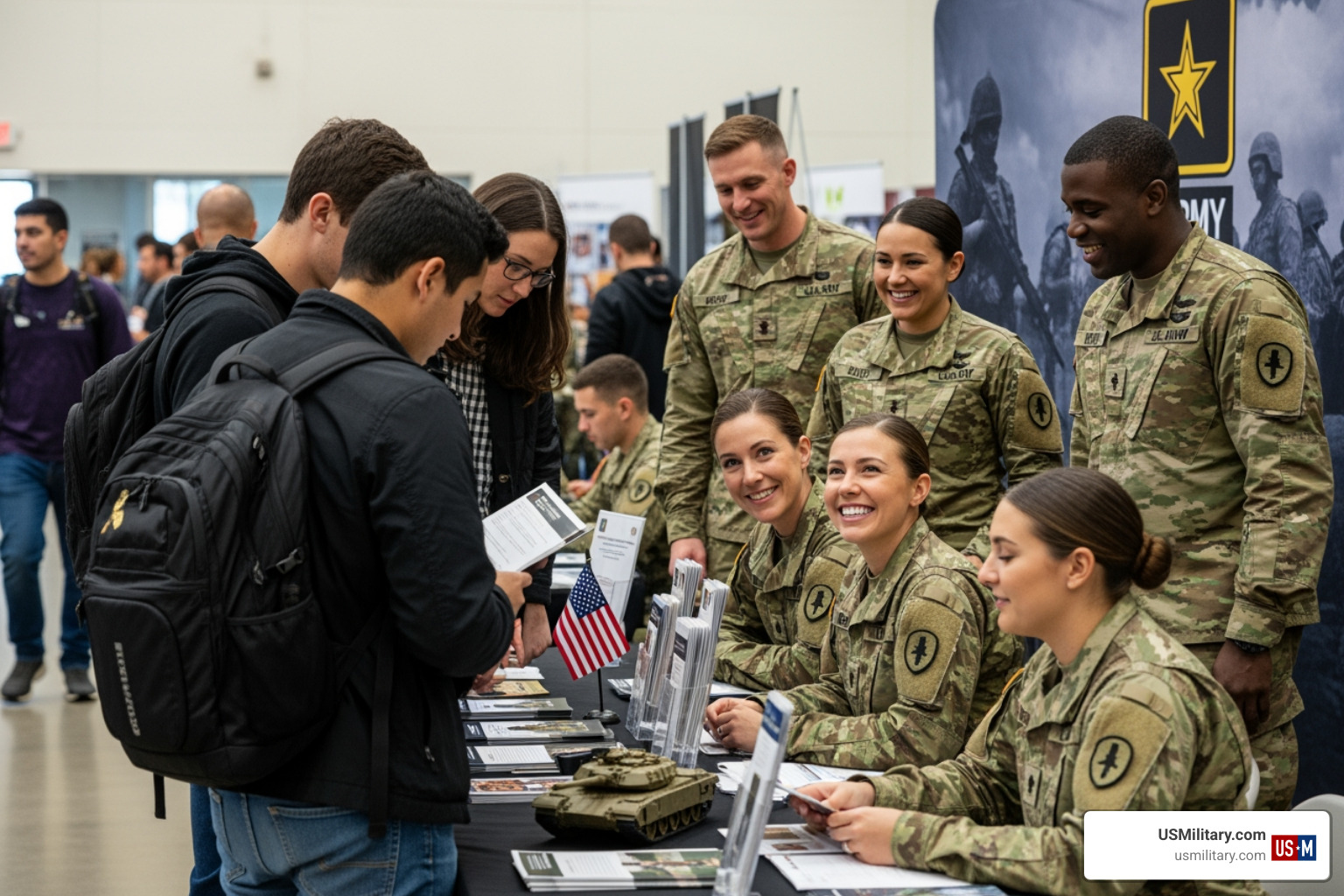
These events provide excellent opportunities to meet recruiters in person, ask initial questions, and gather brochures or informational materials without the pressure of an office visit. The ability of recruiters to adapt and use modern communication channels ensures that information about Army service is accessible to everyone, regardless of their preferred method of engagement.
What to Expect When You Meet a Recruiter
Meeting an Army recruiter for the first time can feel like a big step, but it’s important to understand that they are there to be a professional guide, not a high-pressure salesperson. Their role is primarily informational and to help you understand if a career in the Army or Army National Guard aligns with your goals and qualifications. This initial meeting is about exploration, not commitment.
The Primary Role of an Army Recruiter
The primary roles and responsibilities of an Army recruiter extend far beyond simply signing people up. They act as mentors, information sources, and facilitators throughout your journey. Here’s a breakdown of what they do:
- Information Provider: Recruiters are experts on all aspects of Army life, including different career paths (Military Occupational Specialties or MOS), benefits, training, and educational opportunities. They can provide detailed insights into what each role entails and how it contributes to the broader Army mission.
- Career Counselor: They help you explore various Army careers, aligning your interests, skills, and qualifications with available positions. They can guide you through resources like the Army Career Match quiz to find suitable options.
- Application Guide: Recruiters assist you with the extensive paperwork required for enlistment, ensuring accuracy and completeness. They’ll explain each form and its purpose.
- Qualifications Assessor: They help determine your eligibility based on factors like age, education, physical fitness, and legal background, ensuring you meet the Army’s standards.
- ASVAB Preparation Support: Many recruiters offer resources and guidance to help you prepare for the Armed Services Vocational Aptitude Battery (ASVAB) test, which is crucial for determining job eligibility.
- Myth Buster: They address common misconceptions and concerns about military service, providing accurate and honest answers based on their experience.
- Liaison: They connect you with other Army resources or personnel as needed, such as those specializing in specific career fields or educational benefits.
Essentially, your recruiter is your primary point of contact, dedicated to helping you steer the complex process of joining the Army, from initial interest to taking the oath.
A Typical Day for a Recruiter
The typical day-to-day life of an Army recruiter is dynamic and varies, combining office work with extensive community outreach. It’s far from a desk job, reflecting the need to connect with potential recruits where they live and learn.
A recruiter’s day often begins with administrative tasks in the office, such as responding to emails and phone calls from interested individuals, scheduling appointments, and processing paperwork for current applicants. They will typically have set office hours, like the Fayetteville, NC and Fort Smith, AR Army National Guard offices, which are open Monday through Friday from 9:00 AM to 5:00 PM, with appointments available outside these hours.
However, a significant portion of their time is spent outside the office. This includes:
- School Visits: Giving presentations at high schools and colleges, attending career days, and building relationships with guidance counselors.
- Community Events: Participating in local job fairs, festivals, and other public gatherings to raise awareness about Army opportunities.
- Follow-ups: Making phone calls and sending messages to prospective recruits, providing updates, and answering ongoing questions.
- Mentoring: Spending time with individuals who are deep into the enlistment process, offering advice and support.
- Training and Meetings: Attending regular meetings with their command to discuss recruiting strategies, goals, and new programs.
Recruiters are constantly balancing the need to meet recruitment goals with providing thorough, honest information and support to each individual. This demanding schedule requires dedication, strong communication skills, and a genuine desire to help others explore their potential in the Army.
How Recruiters Address Your Concerns
It’s natural to have questions and concerns when considering military service, and army recruiters in my area are trained to address these openly and honestly. They understand that military life is a significant commitment and are prepared to discuss everything from daily routines to long-term implications.
Some common misconceptions or concerns that recruiters frequently address include:
- Deployment: Many individuals are concerned about deployment. Recruiters will explain the likelihood of deployment for different roles, the training involved, and the support systems in place for Soldiers and their families.
- Combat Roles: Not all Army jobs involve direct combat. Recruiters can highlight the vast array of non-combat roles available, such as medical, logistics, engineering, IT, and administrative positions, many of which are specifically designed to minimize combat exposure. For example, roles like an Army Telecommunications Careers or Army Physicians Assistant Careers offer valuable skills without direct combat.
- Family Life: Recruiters can discuss how military service impacts family life, including housing options, family support programs (like those available at Fort Drum, NY), and resources for spouses and children.
- Education and Career Advancement: They clarify how military service can lead to advanced education, technical training, and transferable skills that benefit post-military careers.
- Physical Fitness: Concerns about physical readiness are common. Recruiters explain the Army’s fitness standards and the training programs designed to help recruits meet them.
The goal is to build trust through open communication. Recruiters want you to make an informed decision, so they encourage you to ask tough questions. They draw upon their own experiences and training to provide realistic expectations and alleviate fears, ensuring you have a clear picture of what Army service entails.
Preparing for Your First Meeting
Taking proactive steps before your first meeting with army recruiters in my area can make the experience far more productive and less intimidating. Being prepared shows your seriousness and allows you to get the most out of the conversation. This means doing a bit of homework on your end and gathering any necessary documents.
What to Ask Army Recruiters in My Area
Having a list of questions ready will ensure you cover all your concerns and gather the information most relevant to your decision. Recruiters expect you to be curious! Here are some key areas to explore:
- Career Paths and Training:
- “What are the different career paths (MOS) available in the Army or Army National Guard that align with my interests/skills?”
- “What kind of training is involved for specific jobs, and how long does it last?”
- “Are there opportunities for specialized training, like becoming a Night Stalker in the Army or an Army EOD Operator?”
- “How does Army training translate to civilian job skills?”
- Benefits and Compensation:
- “What are the current enlistment bonuses and incentives I might qualify for?” (Check out Outstanding Army National Guard Enlistment Incentives).
- “What is the typical pay scale for my desired role, and how does it increase with rank/experience?”
- “What are the health benefits, including medical and dental, for me and my family?”
- “Can you explain the educational benefits, such as the GI Bill, tuition assistance, and student loan repayment programs?” (Our Military Educational Support Choices page has more info).
- “What retirement benefits are available after service?”
- “What kind of housing assistance or allowances are provided?”
- Enlistment Process and Requirements:
- “What are the exact eligibility requirements (age, education, physical, legal) I need to meet?”
- “What does the ASVAB test entail, and what resources are available for preparation?” (See our ASVAB Enlisted Exam Preparation guide).
- “What is the timeline from initial contact to basic training?”
- “What is the difference between active duty and the Army National Guard, and which might be a better fit for me?”
- “What is the typical length of an enlistment contract?”
- Daily Life and Culture:
- “What is daily life like during basic training and then in a regular unit?”
- “How often do Soldiers typically deploy, and for how long?”
- “What kind of support systems are in place for Soldiers and their families?” (Installations like Fort Drum offer extensive Army Community Services).
- “What are the opportunities for travel or living abroad?”
Your recruiter is there to answer these questions comprehensively. Don’t hesitate to ask for clarification or more details on any topic. For a deeper dive into overall Army benefits, explore our Explore Army Benefits page.
What to Bring and How to Prepare
Being organized for your first meeting will demonstrate your commitment and help the recruiter efficiently assess your potential.
Here’s what we recommend bringing and how to prepare:
- Identification: A valid government-issued ID (driver’s license, state ID) and your Social Security card.
- Education Records: High school diploma or GED certificate, and any college transcripts if applicable.
- Birth Certificate: Proof of age and citizenship.
- Contact Information: A list of references (not necessarily for the first meeting, but good to have prepared).
- Your List of Questions: As outlined above, this is your roadmap for the conversation.
- A Notebook and Pen: To jot down important information, contact details, and follow-up actions.
In terms of preparation, consider these steps:
- Research Potential Career Paths: Even a general idea of what interests you (e.g., medical, engineering, IT, combat arms) will help your recruiter guide you. You can browse general Army career information on sites like www.goarmy.com.
- Review Eligibility Requirements: Familiarize yourself with basic Army eligibility standards regarding age, citizenship, physical condition, and legal history.
- Consider Your Fitness: While you don’t need to be in peak military shape yet, understanding the Army’s Height and Weight Standards and having a general idea of your physical condition is helpful.
- Learn About the ASVAB: The ASVAB is a critical test. Read up on what it covers and why it’s important. Our Information on Taking the ASVAB page is an excellent starting point. Knowing a bit about it will allow you to ask informed questions about preparation resources.
By arriving prepared, you set the stage for a productive and informative discussion that will bring you closer to understanding your potential Army path.
Frequently Asked Questions about Army Recruiting
We know you’ll have many questions as you consider joining the Army, and that’s exactly what army recruiters in my area are there for. Here are some of the most common questions we hear, along with answers to help you on your journey.
What qualifications do I need to talk to an Army recruiter?
The good news is that you don’t need to be fully qualified to enlist just to talk to an Army recruiter. The initial conversation is an exploratory step, and there’s no commitment required. However, having a general understanding of the basic eligibility requirements will make your discussion more productive.
Generally, to be eligible to join the Army or Army National Guard, you must:
- Be a U.S. citizen or a permanent resident alien.
- Be between 17 and 35 years old. (17-year-olds need parental consent).
- Have a high school diploma or GED. Some exceptions may apply, but a diploma is preferred.
- Meet physical and medical standards. This includes height, weight, and general health, which will be thoroughly checked during a physical exam.
- Pass a background check. You should have no felony convictions and typically no serious misdemeanor convictions.
A recruiter’s role is to help you understand these requirements and determine if you meet them, or what steps you might need to take to become eligible. So, don’t hesitate to reach out even if you’re unsure about your qualifications; they can provide clarity and guidance.
Is being an Army recruiter a difficult job?
Yes, being an Army recruiter can be a challenging, yet highly rewarding, job. Recruiters are often experienced Soldiers who volunteer for this special duty, bringing their real-world Army experience to potential recruits.
The biggest challenges faced by Army recruiters in today’s environment include:
- Meeting Recruitment Goals: Recruiters have specific targets for the number of individuals they need to enlist, which can create pressure, especially during periods of lower interest in military service.
- Changing Demographics: Economic factors, evolving youth interests, and a smaller percentage of the population meeting eligibility requirements can make finding qualified candidates more difficult.
- Public Perception: Recruiters often deal with public misconceptions about military life, requiring them to educate and inform effectively.
- Long Hours and Travel: A recruiter’s day often extends beyond typical office hours, involving evening presentations, weekend events, and travel to various schools and communities.
- High Visibility: Recruiters are often the public face of the Army in their communities, and their actions are closely scrutinized.
Despite these challenges, there are significant benefits and rewarding aspects to serving as an Army recruiter:
- Helping Others: Recruiters play a direct role in shaping individuals’ futures, helping them find purpose, career development, and educational opportunities.
- Leadership Development: The role requires strong communication, sales, and organizational skills, fostering significant professional growth.
- Community Engagement: Recruiters become deeply integrated into their local communities, building valuable relationships.
- Impact: They contribute directly to the strength and readiness of the U.S. Army, ensuring the nation’s defense.
While demanding, many recruiters find immense satisfaction in guiding the next generation of Soldiers.
What are the next steps after finding army recruiters in my area?
Once you’ve successfully connected with army recruiters in my area and had your initial questions answered, the journey toward enlistment typically follows a structured path. This process is designed to ensure you’re a good fit for the Army and that you understand the commitment you’re making.
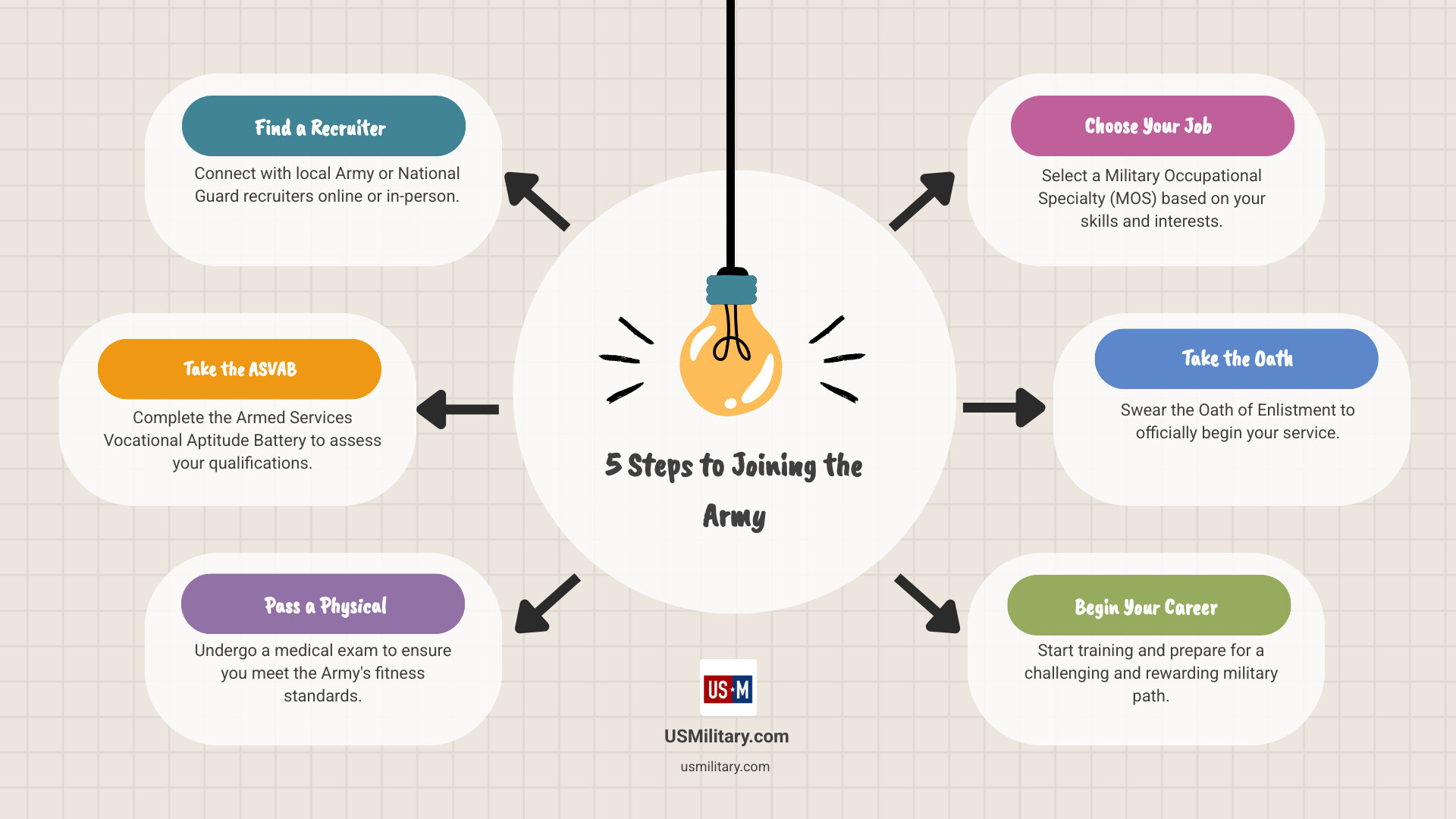
Here are the general next steps, as highlighted in our introduction’s infographic:
- Take the ASVAB: The Armed Services Vocational Aptitude Battery (ASVAB) is a multiple-aptitude test that helps determine your strengths and potential for various military occupational specialties (MOS). Your scores will be crucial in determining which jobs you qualify for. Your recruiter will provide resources and guidance for preparation (see Want to Ace the ASVAB).
- Pass a Physical: You’ll undergo a comprehensive medical examination at a Military Entrance Processing Station (MEPS) to ensure you meet the Army’s physical and health standards. This includes vision, hearing, and a general physical assessment.
- Choose Your Job (MOS): Based on your ASVAB scores, physical qualifications, and the Army’s needs, you and your recruiter will discuss available job options. This is a critical step where you decide on your military career path. Consider exploring resources like Best Jobs in the Army or Army Jobs Least Likely to See Combat to inform your decision.
- Enlistment Contract: Once you’ve chosen your MOS, you’ll sign an enlistment contract, which outlines your chosen job, term of service, and any bonuses or benefits.
- Take the Oath: You’ll officially join the Army by taking the Oath of Enlistment. For many, this happens at MEPS.
- Basic Training: After taking the oath, you’ll prepare for Basic Combat Training (BCT), often referred to as boot camp. This foundational training teaches you the essential skills and discipline of a Soldier. Our pages like Army Basic Training and Things to Expect at Boot Camp can help you prepare.
Your recruiter will be with you every step of the way, providing detailed information and support through this entire process. For more insights into the enlistment journey, check out Making an Enlistment Strategy and Things to Expect in Military Enlistment.
Conclusion
Finding army recruiters in my area marks the crucial first step on a potentially life-changing journey. We’ve explored the various ways to connect with these vital guides, from user-friendly online locator tools and direct visits to local recruiting stations, to engaging with recruiters at community events and through social media.
Army recruiters are more than just enrollment officers; they are experienced Soldiers and dedicated mentors whose primary role is to inform, counsel, and support you through every stage of the enlistment process. They’re equipped to answer your toughest questions, address misconceptions, and help you steer the vast array of career paths and benefits the Army offers.
By preparing for your first meeting with a list of questions and necessary documents, you empower yourself to make the most informed decision about your future. The journey from initial inquiry to taking the Oath of Enlistment involves clear steps—from the ASVAB to basic training—and your recruiter will be your steadfast companion throughout.
At USMilitary.com, we are committed to being your comprehensive information hub, providing the resources you need to understand military service. We believe that an informed decision is the best decision.
Don’t let uncertainty hold you back. Take action today and find where an Army career can take you. Your future in service is just a conversation away.
Free for Service Members & Veterans
Get the military benefits intel no one tells you about.
Weekly updates on VA benefits, pay changes, and money tips — free for service members and veterans.
No spam. Unsubscribe anytime. Your info is never shared.



More Than 90% Of Clients Have Increased Ratings! Why Settle For Less Than You Deserve? Expert Priority Help With Your VA Claim Today! Free Evaluation Call!
The mission of Veteran Services United is to support veterans in filing and winning disability claims by offering expert guidance, advocacy, and personalized assistance. Through dedicated service, Veteran Services United empowers veterans to secure the benefits they have earned, ensuring they receive the care and support they deserve.