Why Resilience and Independence Matter in a SEAL Marriage
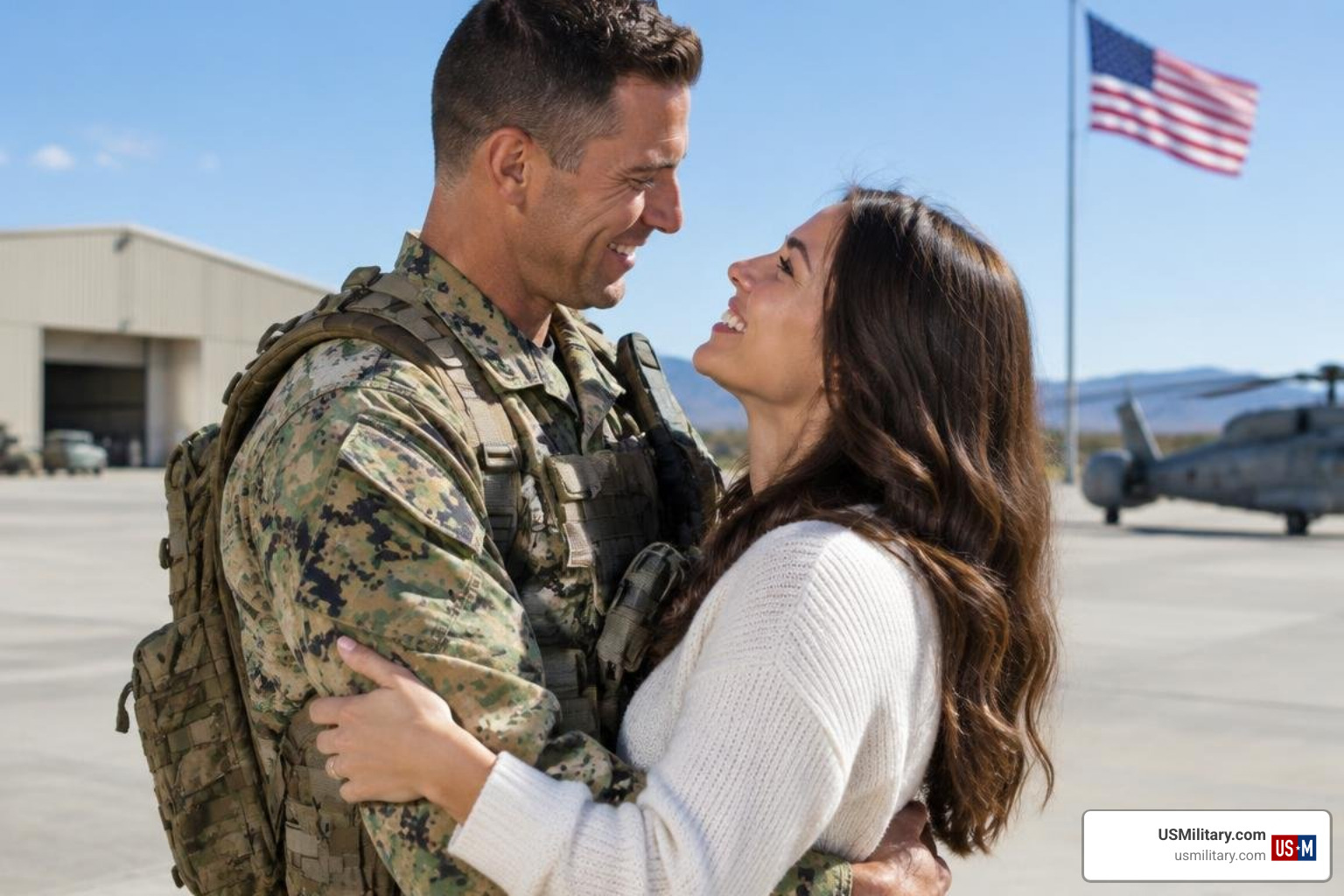
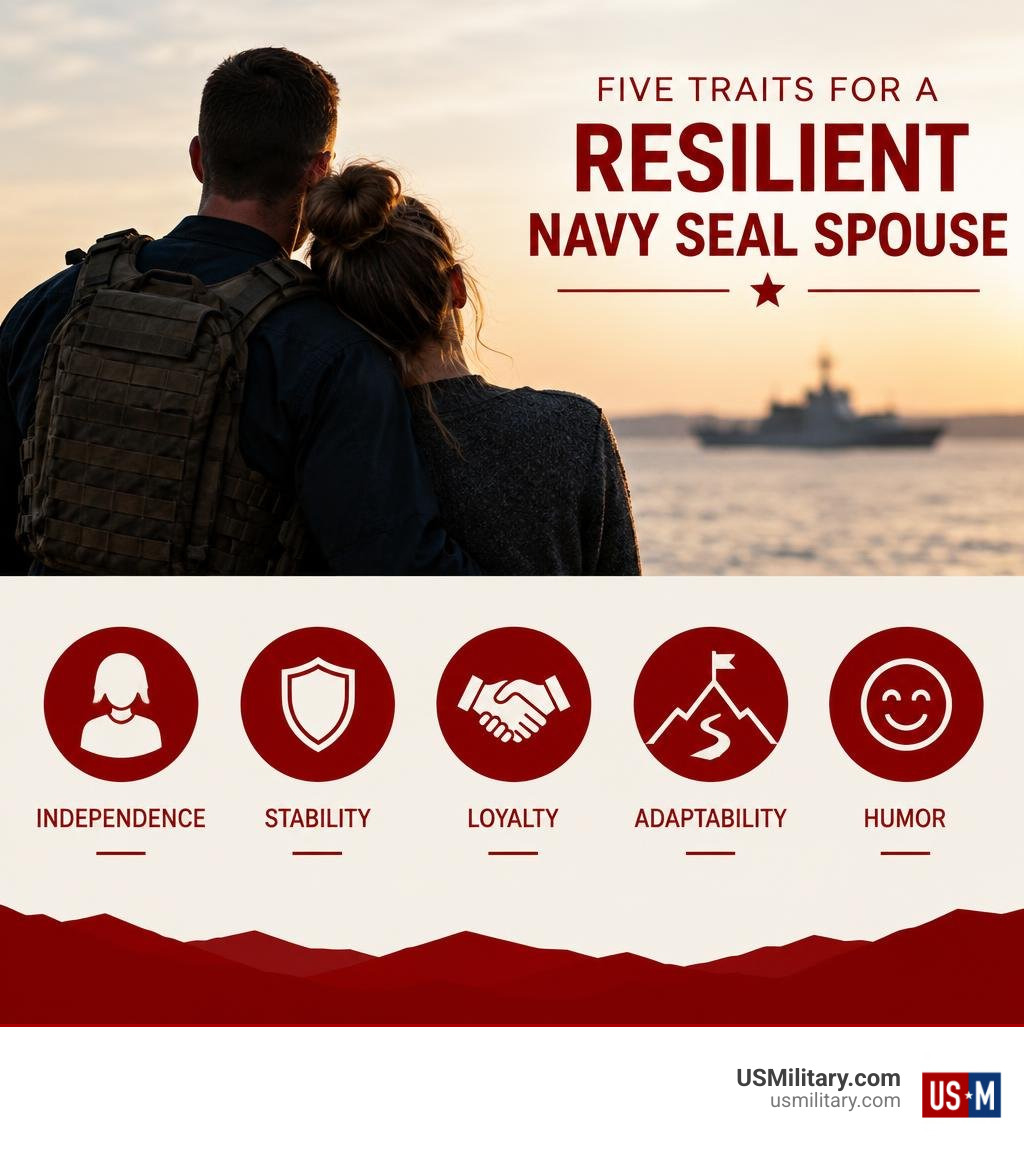
Navy SEALs are not a single type of person, and no personality trait guarantees a strong marriage. But the women most likely to thrive with a SEAL tend to be independent, emotionally steady, loyal, adaptable, and able to use humor under pressure.
These traits fit a life shaped by long training cycles, sudden schedule changes, deployments, limited contact, and periods when one spouse must run the household alone. A successful partner is not simply “tough.” She has her own identity, trusted support network, and practical confidence while also treating the marriage as a shared team effort.
Research on military marriages shows why this matters: combat experience is linked to greater marital strain and a higher risk of divorce. Strong communication, realistic expectations, and mutual respect can help couples manage those stresses before resentment grows.
I am LARRY FOWLER, BUD/S Class 89 and publisher of the USMilitary.com Network since 2007, where I have spent years helping active-duty members, veterans, and families understand military life. In this guide to What Woman Personality Traits Do Navy SEALs Most Likely Marry, I will focus on practical compatibility traits rather than stereotypes.
Learn more about What Woman Personality Traits Do Navy SEALs Most Likely Marry:
- How Navy SEALs Can Be Perfect Husbands and Amazing Role Models
- Navy SEAL Jocko Willink
- Who is Navy SEAL David Goggins
What Woman Personality Traits Do Navy SEALs Most Likely Marry?
To understand marital compatibility in Naval Special Warfare, we must first look at the unique operational environment. A Navy SEAL’s life is defined by high operational tempo (OPTEMPO), intense physical risk, extreme secrecy, and frequent absences. Even when an operator is stateside, training work-ups, specialized schools, and sudden field exercises pull him away from home for months at a time.
Naval Health Research Center data, such as the landmark study on the Personality Profiles of U.S. Navy SEAL Personnel, provides empirical insight into the men behind the Trident. The research reveals that operators score exceptionally low in Neuroticism (emotional instability) and Agreeableness, while scoring significantly higher in Extraversion (specifically assertiveness and activity) and Conscientiousness compared to civilian male norms. Their excitement-seeking scores reach the “very high” tier.
When two people build a life together, contrasting and complementary traits must balance out. Because an operator operates in high-intensity, high-stakes environments, a partner with high anxiety or emotional dependency can inadvertently create friction at home. The spouses who build lasting partnerships are those whose psychological makeup acts as a stable foundation, absorbing operational shocks without losing their own equilibrium.
The Psychology Behind What Woman Personality Traits Do Navy SEALs Most Likely Marry
The Five-Factor Model of personality helps explain why certain characteristics pair well with the special operations lifestyle. Understanding the core personality traits Navy SEALs live by provides a baseline: SEALs rely on extreme discipline, stress tolerance, and direct communication.
When examining what woman personality traits Navy SEALs are most likely to marry, psychological research and marital counseling data point to three critical alignments:
- Low Neuroticism (High Emotional Stability): A partner who remains calm during unpredictable crises prevents emotional escalation. When sudden orders drop, or communication goes dark, she stays grounded.
- High Conscientiousness: Managing a household solo requires exceptional organization, financial diligence, and follow-through.
- Calibrated Extraversion: A spouse needs sufficient social drive to build community networks, yet enough self-contentment to endure prolonged solitude without feeling isolated.
How Operator Culture Shapes What Woman Personality Traits Do Navy SEALs Most Likely Marry

Special operations culture is built on absolute accountability, mission focus, and a team-first ethos. In the Teams, an operator learns that complaining solves nothing, excuses are unacceptable, and relying on your teammate is non-negotiable.
This mindset inevitably carries over into domestic life. An operator values a spouse who approaches life with the same practical, solution-oriented mindset. Spouses who thrive in this environment do not view operational commitments as personal rejection. They understand that when their husband steps out the door, his focus must remain entirely on his teammates to ensure everyone returns home safely. This requires mutual trust, discretion regarding operational security (OPSEC), and a shared commitment to the family mission.
The 5 Essential Personality Traits SEALs Need in a Spouse
Military marriages differ significantly from standard civilian partnerships. The table below illustrates how everyday expectations shift within Naval Special Warfare:
| Dimension | Civilian Marriage Dynamic | Navy SEAL Marriage Dynamic |
|---|---|---|
| Communication | Daily, predictable phone calls and texts | Periodic operational blackouts with zero contact |
| Household Leadership | Shared day-to-day division of chores | Solo execution for months, followed by fluid reintegration |
| Schedule Certainty | Fixed vacations and planned weekends | Fluid schedules, sudden deployments, and canceled leave |
| Conflict Resolution | Gradual discussion and negotiation | Direct, concise, low-drama problem solving |
| Support Structure | Extended family and local social circles | Military community networks and self-reliant problem solving |
1. Fierce Independence and Self-Sufficiency
The cornerstone of a successful marriage to an elite operator is genuine independence. During a deployment cycle, the spouse at home acts as CEO, mechanic, single parent, and financial manager.
If a pipe bursts at 2:00 AM or the car battery dies during a storm, she handles it without panic. Spouses who thrive do not pause their lives while waiting for their partner to return. They pursue their own careers, maintain personal fitness goals, manage household budgets, and cultivate their own passions.
As noted in discussions on How do Navy SEALs maintain successful marriages, an operator cannot afford to worry about home logistics while executing a high-risk mission. Knowing his spouse has the home front secured provides the peace of mind he needs to stay focused downrange.
2. Emotional Stability and Low Neuroticism
Uncertainty is constant in special operations. Deployment dates shift without warning, training schedules change overnight, and missions carry inherent danger. A spouse with low neuroticism serves as an anchor for the household.
This emotional steadiness is not cold detachment; it is the capacity to process fear, loneliness, and frustration without allowing them to derail daily life. When an operator returns home physically exhausted and mentally drained, an emotionally grounded spouse provides a calm, steady environment where decompression can happen naturally.
3. Unwavering Loyalty and High Trust
Trust in a special operations marriage operates on multiple levels. It encompasses marital fidelity across long separations, discretion regarding classified assignments, and confidence in each other’s decisions.
An operator shares sensitive aspects of his life governed by strict operational security. His spouse must be dependable, avoiding gossip and safeguarding family privacy. In turn, the operator places complete faith in his wife’s stewardship of family decisions while he is off the grid.
4. Adaptability and Mental Flexibility
In the military community, plans are always written in pencil. A planned anniversary dinner, holiday gathering, or family vacation can evaporate with a single recall phone call.
Spouses who sustain long-term marriages master dynamic role-switching. When the operator is away, the wife takes full command of family operations. When he returns, she skillfully adjusts the family dynamic to reintegrate him into daily leadership without surrendering her autonomy. Applying the principles of a Navy SEAL-Inspired Marriage, couples maintain fluid leadership, treating shifting circumstances as tactical problems to solve together rather than personal failures.
5. Humor and Lightheartedness Under Pressure

A shared sense of humor is one of the most effective coping mechanisms for military families. Dark humor, lighthearted teasing, and the ability to laugh when plans fall apart relieve domestic tension faster than almost anything else.
Veteran SEAL Jason Redman and his wife Erica, who have sustained their marriage through combat deployments and severe injury recovery, frequently highlight humor as a critical survival tool. Whether coping with an unexpected move, a broken appliance during a deployment, or the chaotic transition back to civilian life, finding levity in absurd circumstances keeps frustration from turning into resentment.
Navigating the Demands: Teamwork, Pitfalls, and Divorce Prevention
The realities of military service carry measurable relationship risks. Empirical research indicates that combat experience in military service is associated with subsequent marital problems and a 62 percent increase in the risk of divorce. Active-duty military demographics show that nearly half (almost 700,000 individuals) of active-duty personnel are married, with women comprising over 90 percent of military spouses.
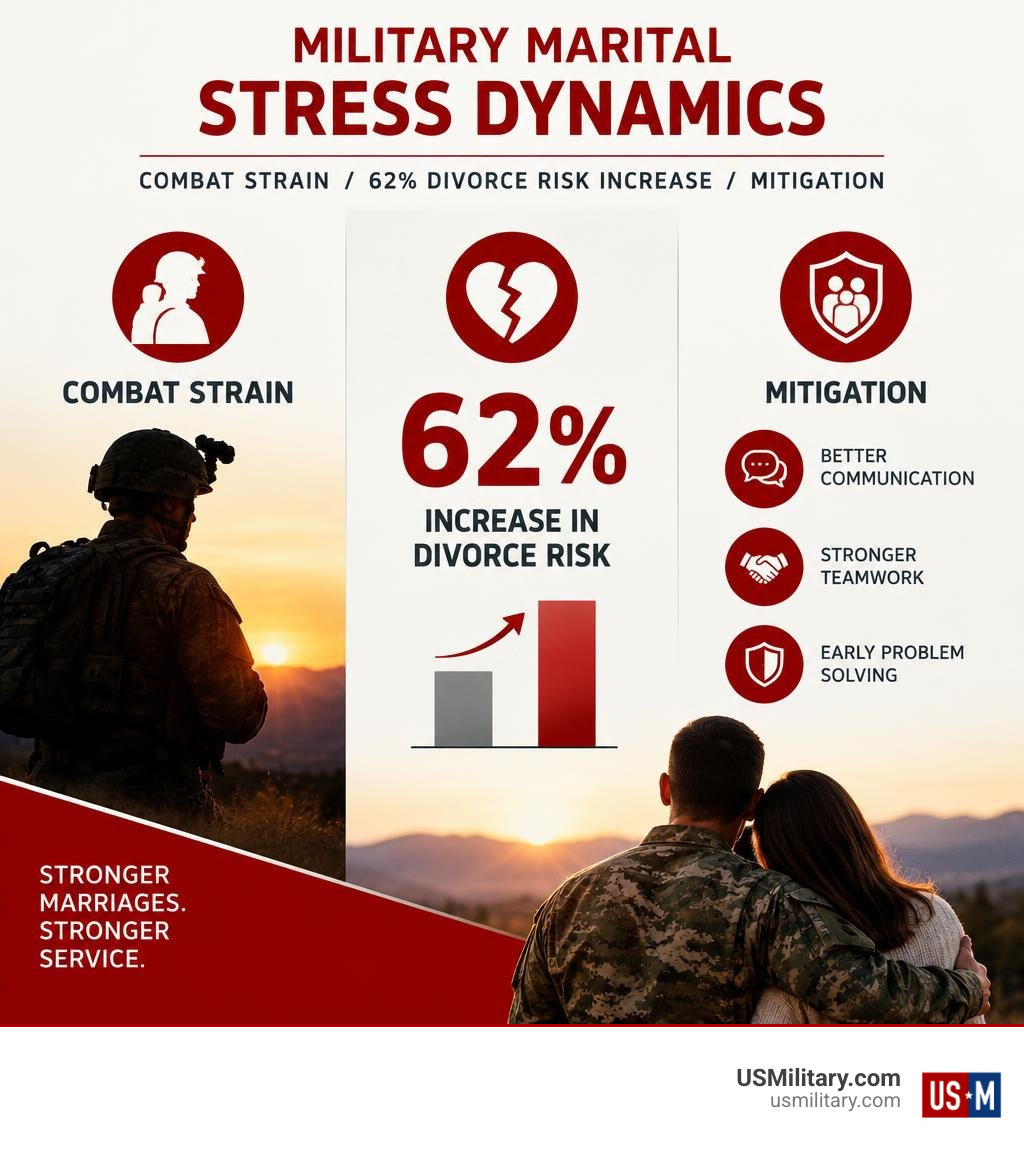
Couples who beat these odds treat their marriage like an elite operational unit. They identify potential points of failure, set ground rules for communication, and address problems early before emotional distance grows.
Moving from Adversary to Teammate
One common relationship pitfall is the “Love Fight,” where spouses view each other as adversaries competing over whose life is harder. The operator feels exhausted from grueling field conditions, while the spouse feels isolated from carrying the domestic load alone.
Successful couples adopt a non-adversarial mindset:
- Conduct Regular Check-ins: Discuss schedules, family budgets, and emotional health openly.
- Implement After-Action Reviews (AARs): After a stressful event or miscommunication, assess what went wrong without assigning blame.
- Set Clear Boundaries: Establish clear expectations for home routines during training cycles.
- Utilize Professional Support: Take advantage of free, confidential military counseling resources via Military OneSource or installation family support services before problems escalate.
Reintegration After Deployments and Medical Recovery
Reintegration is often more challenging than deployment itself. When an operator returns, the household routine changes overnight. Children may be used to going to Mom for every decision, while the operator may struggle to adapt to the slower pace of home life.
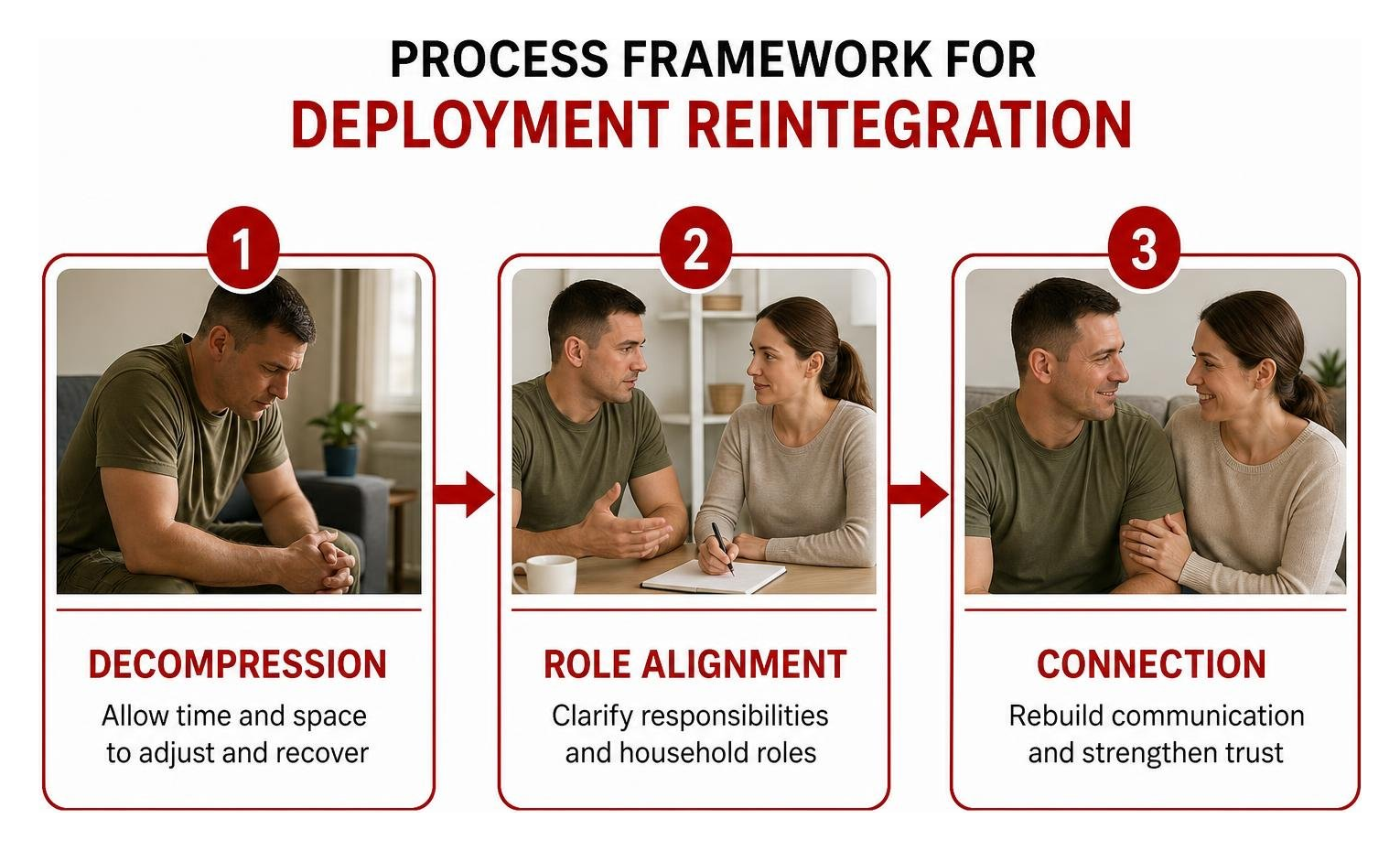
When an operator sustains combat injuries or navigates long-term physical rehabilitation, the spouse often steps into a caregiver role while managing the household. This transition requires patience, active listening, and space for decompression. Successful couples establish clear reintegration steps, allowing the service member time to adjust while gradually re-establishing shared domestic routines.
Frequently Asked Questions About Navy SEAL Relationships
Why is the divorce rate statistically high among Navy SEALs?
The demanding operational tempo, prolonged combat deployments, high physical risk, and frequent communication blackouts place heavy demands on a marriage. When couples lack proactive communication habits or independent support systems, prolonged stress can lead to emotional detachment and marital breakdown.
How do SEAL couples handle long periods of zero communication?
Couples manage communication blackouts through pre-deployment planning, strong trust, and independent domestic routines. Spouses lean on family readiness groups, close friends, and personal goals so their daily lives remain purposeful and grounded while waiting for contact to resume.
Can a spouse maintain a successful career while married to a SEAL?
Yes. Many spouses build fulfilling careers by choosing remote work, portable professions (such as healthcare, education, or consulting), or entrepreneurship. Maintaining an independent career helps sustain a strong personal identity and provides long-term financial stability.
Conclusion: Building an Unshakeable Partnership
A successful marriage to a Navy SEAL is built on practical compatibility, emotional resilience, and mutual respect. The women who thrive in this environment are not passive bystanders; they are capable, independent partners who manage challenges calmly, maintain their own identities, and support their families with steady strength.
By combining independence, emotional stability, unwavering loyalty, adaptability, and humor, couples can navigate the pressures of special operations and build an enduring partnership.
To learn more about the training, missions, and lifestyle of Naval Special Warfare, explore our Navy SEALs career and lifestyle overview. For additional guidance on military family benefits, career transitions, and service resources, explore USMilitary.com for up-to-date guides and expert tools.
Free for Service Members & Veterans
Get the military benefits intel no one tells you about.
Weekly updates on VA benefits, pay changes, and money tips — free for service members and veterans.
No spam. Unsubscribe anytime. Your info is never shared.


