Thinking about joining the Navy SEALs? You likely know that Basic Underwater Demolition/SEAL (BUD/S) training is incredibly challenging. But it’s more than just “tough”—it’s a crucible that reveals the limits of human endurance. There’s a reason Navy SEAL training logo is, “The Only Easy Day Is Yesterday.”
While it’s easy to find information online about all you need to know about N avy SEAL training , understanding why people fail is less common. The brutal truth about BUD/S is revealed in this guide. Discover the real reasons for the high dropout rate. It’s eye-opening.
Table of Contents:
- Why Trainees Quit BUD/S
- More All You Need To Know About Navy Seal Training
- Frequently Asked Questions (FAQs)
- Conclusion
Why Trainees Quit BUD/S
BUD/S is designed to push individuals to their absolute physical and mental breaking points. Even exceptionally fit and determined candidates find themselves ringing the bell, signifying their voluntary withdrawal. Truth be told, the more normal is may be, the more likely you’re ring the bell. Admittedly, it helps to be a little ‘out there’ to survive BUD/S.
Based on their accounts and my own observations, I’ve compiled the primary reasons why trainees toss their helmets in the BUD/S compound and ring out. Here are some of the most significant factors that cause even the most seemingly unbreakable individuals to quit.
Pain and Physical Injuries
BUD/S training is unbelievably intense. The constant physical stress on the body creates a high risk of injury. Once pain sets in, doubt is peeking its ugly head around the corner.
Injuries range from strained muscles to serious fractures. Many trainees get stress fractures or concussions, and have to stop training. It’s not just the acute pain; repeated minor injuries accumulate over time, leading to debilitating conditions. Some trainees can elect to roll back to the next upcoming class, but it means starting the phase all over again. Can you imagine going through Hell Week two or more times?
Mental Strength Deficiency
BUD/S extends far beyond physical prowess; it’s a relentless mental battle. The constant psychological pressure can break down even the strongest minds. Combat survival depends on mental toughness, something instructors expertly evaluate in candidates.
As described in Larry Fowler’s book, “ Dare To Live Greatly ,” instructors are referred to as “Coronado Gods.” The unending challenges can lead candidates to question their ability to complete the mission. Pressure tests their dedication; it pushes their limits.
Fears in Water
A significant portion of BUD/S occurs in the water, which is a primary focus. Many seemingly strong candidates struggle in this environment, facing deep-seated fears.
During my time in BUD/S Class 89, I witnessed individuals confront an inner barrier. Some excellent, and extremely fit, trainees are less comfortable than others when they need to overcome those fears, especially while diving while in cold water.
Adapting to Cold Environments
Exposure to cold is often cited as a major factor in why people leave BUD/S. Imagine enduring prolonged exposure to frigid water with minimal opportunity for recovery.
BUD/S is conducted in the cold Pacific Ocean. Even a routine swim can become an ordeal, steadily draining a trainee’s energy and resolve. Trust me, I’ve seen Hercules-type trainees who rung out due to cold water. Cold water can make cowards out of most of us.
Lack of Sleep
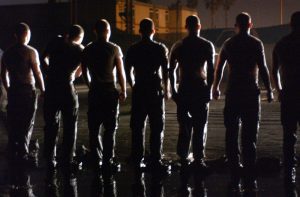
The BUD/S schedule prioritizes relentless training over rest. Trainees are perpetually sleep-deprived.
This chronic fatigue exacerbates the already intense stress. Waking up before dawn, often as early as 4 am, after only a few hours of sleep is standard for BUD/S candidates. It’s tough on the body and mind to train. In Hell Week trainees can expect to only get less than five hours sleep for the full week.
For me, especially during the fist phase, I would be be in my bunk prior to sunset. My body would collapse in preparation for early morning PT the following day.
Food and Diet Challenges
Proper nutrition is vital during this intense training. Not consuming enough of the right nutrients can create serious problems. Adequate intake makes the physical demands more manageable for trainees.
However, nutritional support can be limited during the training process. This makes getting enough fuel challenging.
Handling Personal Phobias
BUD/S aims to push trainees far beyond their comfort zones. Specific drills can trigger unexpected anxieties and phobias. This is sad when you know well qualified trainees who could go on becoming great SEALs ringing out due to the stress of family issues. Some family events can not be avoided, i.e. death of a loved one, but all trainees must do all they can to be mentally prepared long before arriving in Coronado, CA.
Time management is critical; BUD/s follows a strict structure. The intense pressure brings out hidden fears, and suddenly everything feels overwhelming. People learn of some new phobias, they did not realize they had.
✉ Get updates like this in your inbox
Weekly VA benefit changes, pay updates, and money tips for service members, veterans, and military families. Free, no spam.
Problems Working in a Group
Navy SEAL training emphasizes teamwork and camaraderie above all else. Inability to cooperate with others can be a significant hindrance.
Individuals who struggle to form genuine connections with teammates often drop out. Effective teamwork, within the crew, requires strong bonds and mutual support.
Lack of Drive
A trainee’s motivation must be exceptionally strong to endure BUD/S. One needs to answer: Why subject oneself to this deliberate torment? He must be willing to sacrafice anything! BUD/S requires total commitment. Nothing held back. No pain, no gain.
With online videos and social media, today’s applicants can easily prepare for interviews. This greater access to information can make the preparation process somewhat easier, helping candidates understand what to expect.
False Beliefs
Entering BUD/S with misconceptions is another major issue. Some candidates arrive overconfident or completely unaware of the true demands.
Reality can be a rude awakening when it clashes with your hopes. When the brutal truth emerges, many find themselves unprepared, leading to a high dropout rate. The truth reveals if the candidate has what it takes to continue forward.
More All You Need To Know About Navy Seal Training
Let’s explore aspects beyond just why individuals quit. This covers all the essentials. Navy blue. The color of the sea. The difficulties of seal training are real, but effective strategies can help trainers succeed. For example, positive reinforcement techniques have proven very effective.
Physical Conditioning Beyond the Basics
You’re not merely building muscles to conquer obstacles, but also building resistance to stress-related injuries. Cross-training should incorporate swimming, running, and calisthenics to prepare the body comprehensively.
Seek out activities and sports that involve running or exercising on sand. Concrete just can’t match the resistance you get from sand. Sand workouts can really help build strength in the muscles you need.
| Training Area | Focus | Example Exercises |
|---|---|---|
| Running | Build endurance, speed, and resilience to impact. | Long distance runs, interval sprints, hill repeats |
| Swimming | Develop comfort, efficiency, and stamina in the water. | Long-distance swims, underwater swims, fin swims |
| Calisthenics | Increase functional strength, body control, and injury prevention. | Push-ups, pull-ups, sit-ups, squats, lunges |
| Strength Training | Enhance overall power and resistance to injury | Weightlifting (focus on compound movements), resistance band exercises |
Mental Fortitude and Mindset Training
Improve your mental toughness by exposing yourself to controlled, stressful situations. Pictures in your head can really help you get ready mentally. Practice maintaining composure under pressure to make challenging circumstances more manageable.
Goals are basic to success. The armed forces. BUD/S hopefuls really need this skill. Focusing on one thing at a time really helps you concentrate better. Think about adding something. Health care for veterans. Make a plan; get some help.
Adaptability and Resilience Training
Navy SEAL training throws unexpected challenges at you constantly. You should definitely learn some basic water survival skills; it could mean the difference between life and death. Knowing how to tie knots is super useful—a must-have skill for Navy SEAL training and many other things.
Explore various weather conditions—but always prioritize safety. Let’s get ready for whatever curveballs life throws our way. Unexpected problems happen, so we must be prepared. Proactive thinking and honing rapid decision-making skills are also essential for success in BUD/S .
Frequently Asked Questions (FAQs)
What is the SEAL Physical Screening Test (PST)?
The The physical screening test is up next. The PST is a tough test; it checks how ready someone is, physically, for SEAL training. It includes a 500-yard swim, push-ups, sit-ups, pull-ups, and a 1.5-mile run. The PST has minimum standards, with candidates generally exceeding these to improve chances of selection.
What happens during Hell Week?
Hell Week is a five-and-a-half-day crucible of continuous physical and mental challenges during the first phase of BUD/S. Candidates are pushed to their absolute limits, with minimal sleep, constant exposure to cold, and relentless physical exertion. It tests how long you can last, how well you work together, and your determination under pressure. Expect a real trial by fire.
Underwater demolition: What’s its role in SEAL training?
Navy SEAL hopefuls? They all need to complete basic Underwater Demolition training. It’s a key part of the process. Reconnaissance, underwater explosives, and obstacle removal are all skills candidates will master. Maritime and underwater missions? SEAL training covers it all.
What is the training program like after BUD/S?
After completing BUD/S, SEAL candidates move on to SEAL Qualification Training (SQT). Advanced training at SQT includes weapons, land combat, tactics for small units, and close-quarters fighting. Successful completion of SQT marks the final step before joining an operational SEAL Team.
Veterans, especially Navy SEALs, what work is out there for you?
Former Navy SEALs, and veterans in general, have numerous career paths. Security, consulting, and law enforcement—these fields really appreciate those skills. Lots of people find success there. Look up the Veteran Employment Project online. It’s a job that needs someone with a strong track record; a veteran in their field. The boards are right here. Look for vet friendly employers as well.
We’ve reached the end. Time to move on!
Understanding Navy SEAL training means looking past the idea that it’s just the hardest military program. True preparation involves confronting every conceivable challenge, both the obvious and the hidden.
Becoming a Navy SEAL is certainly not for everyone. And that is a very good thing. The less normal you are, the better chance you may have surviving. Who is their right mind embraces suffering? BUD/S acts like a serious screening process. When those intense circumstances are applied, they force individuals to reveal their true nature, separating those with the potential to become SEALs from the rest.
Need military facts? Find your nearest military recruiter here !
Free for Service Members & Veterans
Get the military benefits intel no one tells you about.
Weekly updates on VA benefits, pay changes, and money tips — free for service members and veterans.
No spam. Unsubscribe anytime. Your info is never shared.