You may have lacked cuddling if you’ve been on a long deployment. If so, cuddling therapy offers an array of benefits beyond simple companionship.
Truth be told, deployment or not, we all crave connection. It’s a fundamental human need. Physical touch, like cuddling, offers incredible benefits. But what are these benefits, and why should we prioritize cuddling in our busy lives? This post explores the science-backed advantages of cuddling, especially for military personnel, veterans, and their families.
The average cuddling time for most relationships is 30 to 40 minutes per day, three to five times per week*. In the mornings, during the day, and, of course, at bedtime. As we reveal in this article, cuddling can strengthen your relationship by releasing the ‘love’ or ‘feel good’ hormone, oxytocin, that can boost your immune system while reducing stress. One thing is for sure, and if you have any doubts to the effectiveness of cuddling, go to Quora and read the dozens of cuddling testimonies and decide for yourself if more cuddling can give your marriage the boost it desires. Here we go!
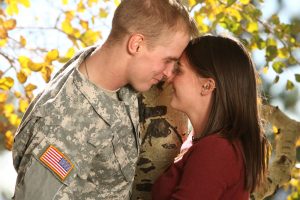
Table of Contents:
- Why Cuddling Matters
- Cuddling and Stress Relief
- Cuddling and Relationship Health
- Cuddling and Sleep
- Cuddling: More Than Just a Hug
- Beyond Romantic Relationships
- Conclusion
Why Cuddling Matters
Military life, both during and after service, presents unique challenges. The physical demands, emotional toll, and time away from loved ones take a toll. Cuddling provides comfort and becomes a powerful tool for coping with emotional turmoil, fostering stability, and maintaining healthy relationships. Cuddling helps reduce stress and improve sleep quality.
Cuddling and Stress Relief
Stress is a constant companion for military personnel. The high-stakes environment, inherent risks, and significant responsibilities create physical and psychological stress. Cuddling offers a powerful antidote. When you cuddle, your body releases oxytocin, often called the “love hormone.” Oxytocin has profound calming effects and lowers cortisol, known as “the stress hormone.” Cuddling can also reduce pain.
Oxytocin: Your Body’s Natural Stress Buster
Studies show that increased hugs correlate with higher oxytocin levels. These higher levels then lead to lower blood pressure and heart rates, particularly in women. The science is clear: more physical affection with a romantic partner helps people handle stress, and cuddling improves mental health.
This is especially relevant for those serving in or leaving the military. Cuddling improves emotional and mental resilience. It becomes more than just a pleasant experience; it contributes to peak performance and faster recovery from challenging experiences.

Cuddling and Relationship Health
Time apart during deployments strains relationships. Focusing on touch, like cuddling, after reunions promotes relational harmony. Cuddling strengthens bonds and helps families reconnect, leading to greater relationship longevity and satisfaction.
The Importance of Non-Sexual Intimacy
Cuddling isn’t just about sex. It’s a powerful way to communicate affection and reassurance. Research suggests cuddling, especially after sex, boosts relationship satisfaction. For veterans with PTSD, nonsexual touch, like cuddling, promotes emotional support and relational safety.
This helps with reintegration after deployment. The calming and reassuring touch helps everyone feel close again and heal together. Cuddling helps reduce feelings of isolation and promotes social support.
Cuddling and Sleep
Many couples cuddle before bed, then separate for a restful night’s sleep. While too much physical contact can disrupt sleep, the right balance promotes relaxation. This is highly beneficial for military personnel. Cuddling may also help with sleep apnea.
Better Sleep, Better Performance
The military demands peak performance. Quality sleep improves response time, reduces errors, and enhances alertness—critical for tactical situations. Physical affection, like cuddling, improves sleep quality, which has tactical advantages in hostile environments.
Cuddling before sleep can lower blood pressure and reduce stress. Transitioning to separate sleeping arrangements once asleep can improve individual and shared sleep quality. This strategy strengthens intimacy and supports those dealing with the stress of military life.
Cuddling: More Than Just a Hug
Cuddling is more than a quick hug. It involves sustained, full-body contact, creating a sense of security and vulnerability. Cuddling releases endorphins, natural painkillers that boost mood and reduce pain.
Finding the Right Balance
Not everyone enjoys the same amount of touch. Some people prefer minimal cuddling, while others crave prolonged snuggling. Open communication ensures a mutually pleasurable experience, reducing stress and fostering intimacy.
Finding a healthy balance is especially important for those with PTSD. Communicating about touch preferences helps create a safe and supportive environment. Cuddling time can be incredibly beneficial when done with respect and sensitivity.
Cuddling also benefits infants. Tactile stimulation lowers cortisol and releases oxytocin, promoting closeness and healthy development. Cuddling has been shown to improve breathing and oxygen levels in premature babies.

Beyond Romantic Relationships
Cuddling’s benefits extend beyond romantic partners. Cuddling with pets offers stress reduction and relaxation. Pets provide warmth and trigger the release of hormones like dopamine and endorphins, which promote pain relief.
The Power of Pets and Comfort Objects
Even inanimate objects, like blankets or stuffed animals, offer comfort. Snuggling with these cherished possessions reduces stress and anxiety by providing feelings of warmth and safety. For military families, finding the right balance of touch is essential. Some individuals may have negative reactions to too much physical contact, especially those with trauma. Communication is key to ensuring that cuddling remains a positive and supportive experience. Finding the right cuddling balance strengthens relationships and improves sleep, boosting intimacy and supporting those dealing with the stresses of military life. This also improves overall mental well-being.
Conclusion
The benefits of cuddling are undeniable, from stress reduction and better sleep to increased intimacy and stronger relationships. Cuddling is especially valuable for the military community. It improves mood by releasing oxytocin, the “love hormone,” which lowers blood pressure levels and eases anxiety. Oxytocin helps strengthen bonds between people.
For those in or connected to the military, cuddling is a powerful way to find support, connection, and healing. It strengthens bonds and builds resilience. In today’s busy world, cuddling offers profound benefits for military personnel, veterans, and their families. Cuddling isn’t just for couples; it’s a powerful tool for improving mental and physical health.
Want more military info? Find your nearest military recruiter here!
*Per Google Research
Free for Service Members & Veterans
Get the military benefits intel no one tells you about.
Weekly updates on VA benefits, pay changes, and money tips — free for service members and veterans.
No spam. Unsubscribe anytime. Your info is never shared.


