Practical Ways to Thank Post-9/11 Military Men and Women
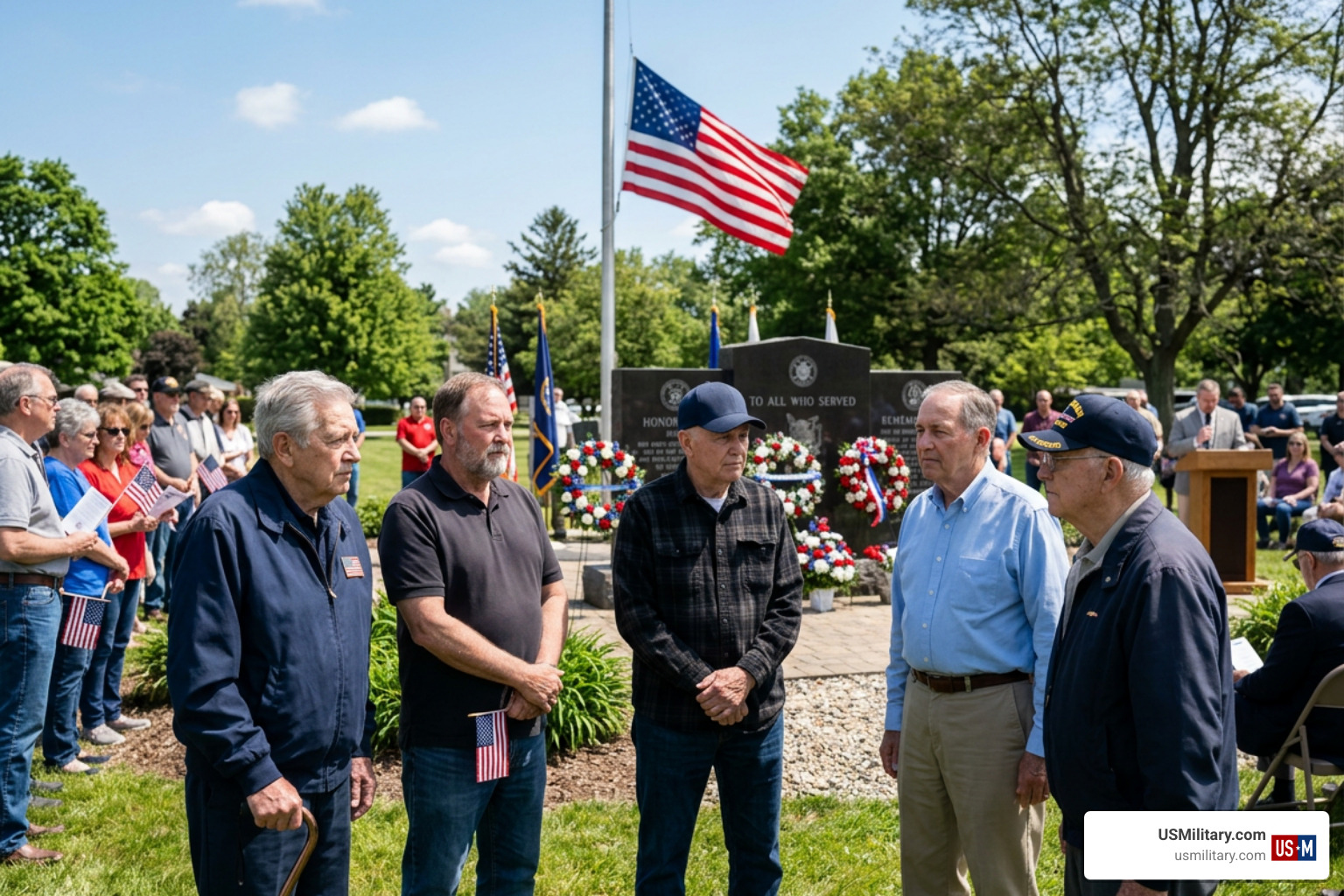
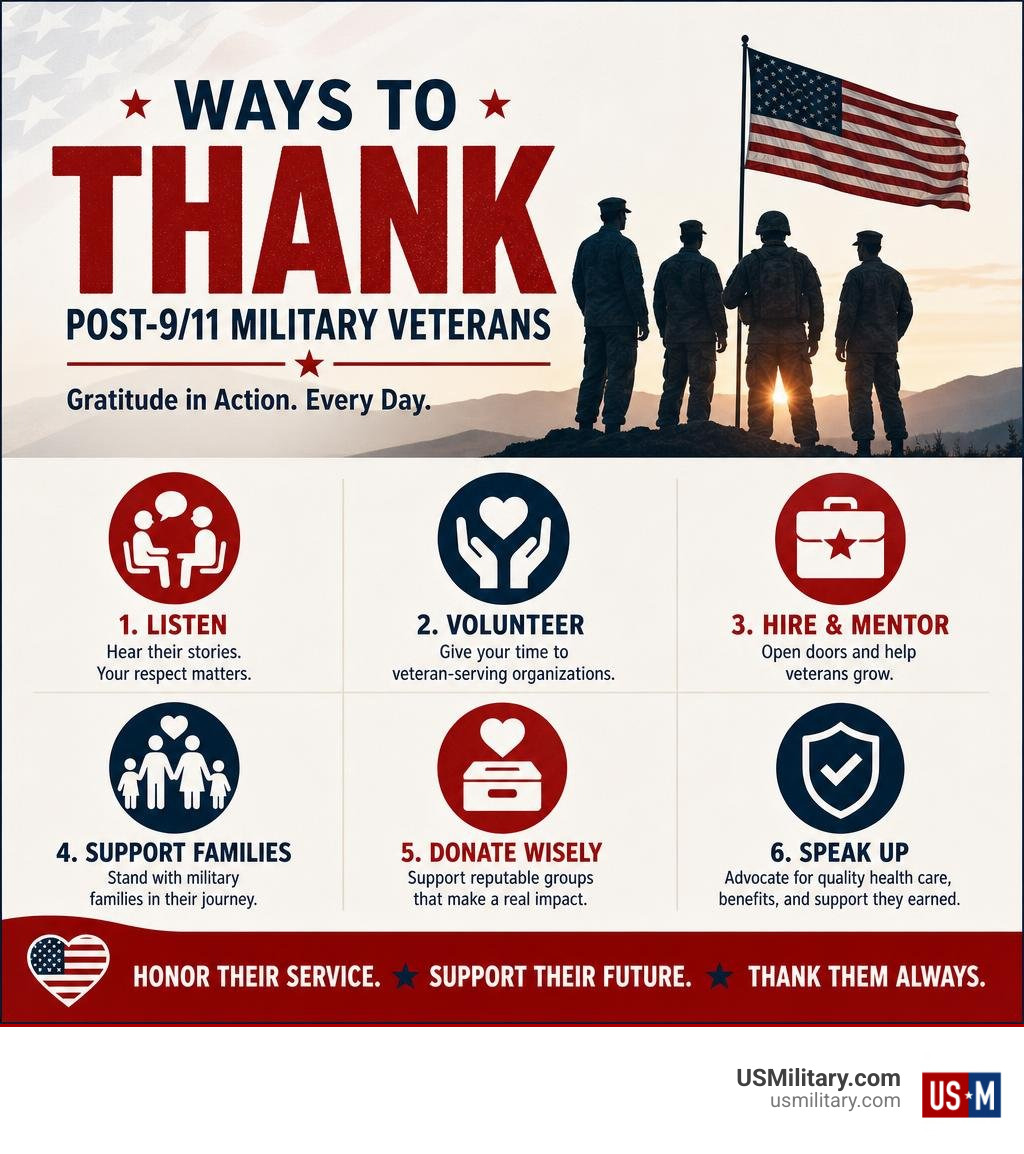
America can say thank you to post-9/11 military members through actions that last: listen to veterans, volunteer with veteran-serving groups, hire and mentor veterans, support military families, donate wisely, and speak up for dependable health care and benefits. On September 11 and throughout the year, communities can also attend remembrance events, organize service projects, and teach younger Americans about the people who answered the nation’s call.
More than two decades after 9/11, many service members still carry the effects of deployments, injuries, toxic exposures, grief, and the difficult move to civilian life. With about 200,000 people leaving military service each year, gratitude should mean practical connection – not only applause or a holiday message.
I am LARRY FOWLER, publisher of the USMilitary.com Network, which has served active-duty members and veterans with military and VA benefits information since 2007. In exploring How Can America Say Thank You To Our Brave Military Responding After 9/11, I believe clear guidance, steady support, and respect for service families matter every day.
Relevant articles related to How Can America Say Thank You To Our Brave Military Responding After 9/11:
- How Massive is the US Military
- Is The US Military Becoming More Confident & Stronger With President Trump
- Why Military Veterans Love President Donald J. Trump
Understanding the Enduring Sacrifices of the Post-9/11 Generation
The events of September 11, 2001, reshaped the United States forever. In the immediate aftermath, our armed forces sprang into action. From fighter jets scrambling to secure national airspace to uniformed personnel running toward the smoke at the Pentagon, our service members stood side-by-side with local emergency teams. More than 400 first responders who lost their lives that morning were firefighters, police officers, paramedics, and military personnel who refused to retreat. In the months that followed, thousands more answered the call by deploying overseas in what became the Global War on Terror.
More Than 90% Of Clients Have Increased VA Disability Ratings! Why Settle For Less Than You Deserve? Expert Priority Help With Your VA Claim! Free Evaluation Call!
To truly understand how to honor these heroes, we have to look closely at how the military answered the call after 9/11. Service members deployed repeatedly to harsh environments across the globe. Understanding the broader historic response to 9/11 highlights the sheer scale of the mission our armed forces took on.
These missions came with severe long-term costs. Nearly 7,000 individuals have died from illnesses and cancers linked to environmental toxins and dust exposure at Ground Zero alone, while hundreds of thousands of overseas combat veterans face the lingering consequences of burn pits and blast injuries.
Beyond physical trauma, military families endured long months of separation, missed milestones, and the anxious wait for loved ones to return. Each year, roughly 200,000 service members transition out of uniform back into civilian neighborhoods. Saying thank you requires us to recognize both the visible triumphs and the quiet battles these men and women fight long after hanging up the uniform.
How Can America Say Thank You To Our Brave Military Responding After 9/11 Through Tangible Action
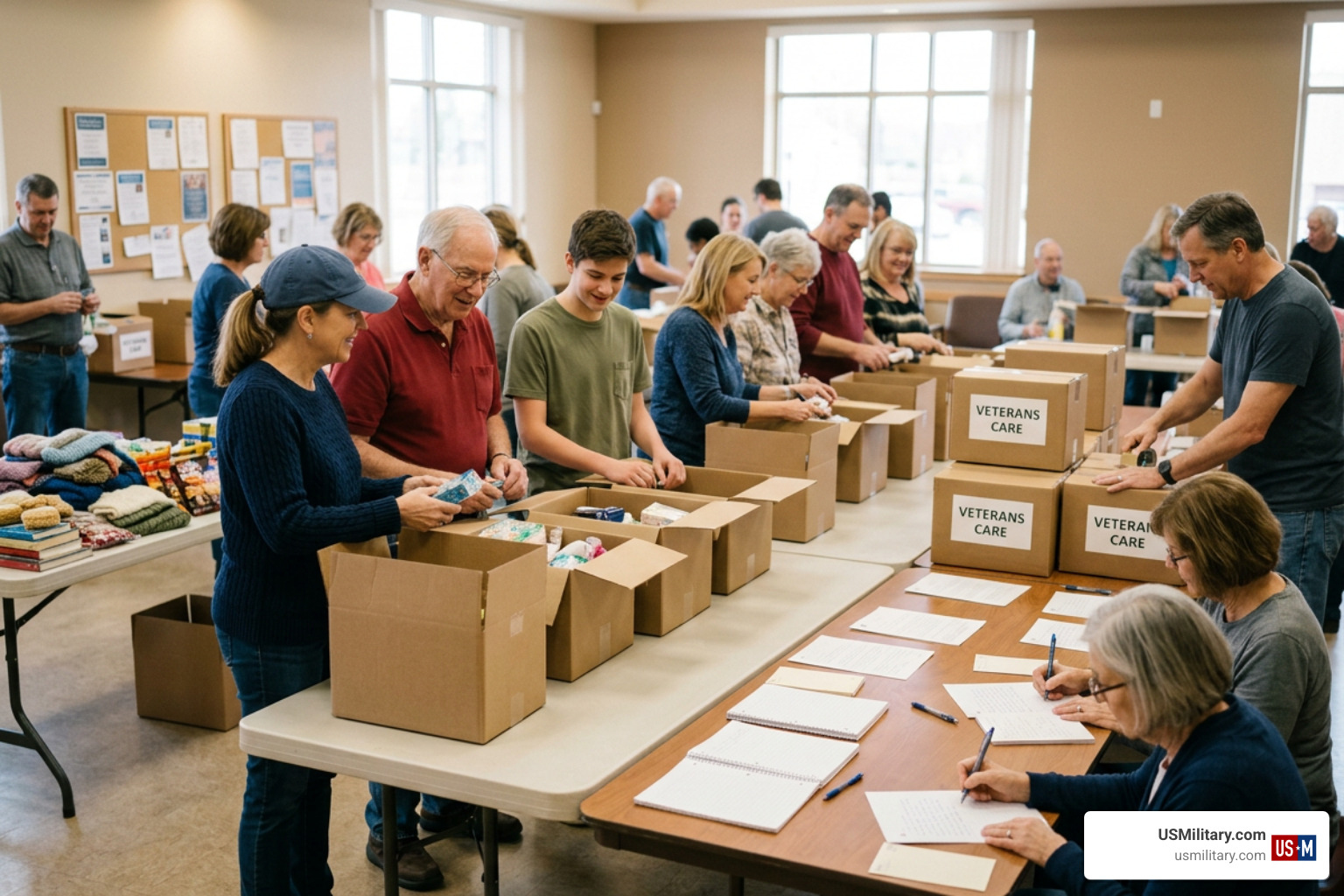
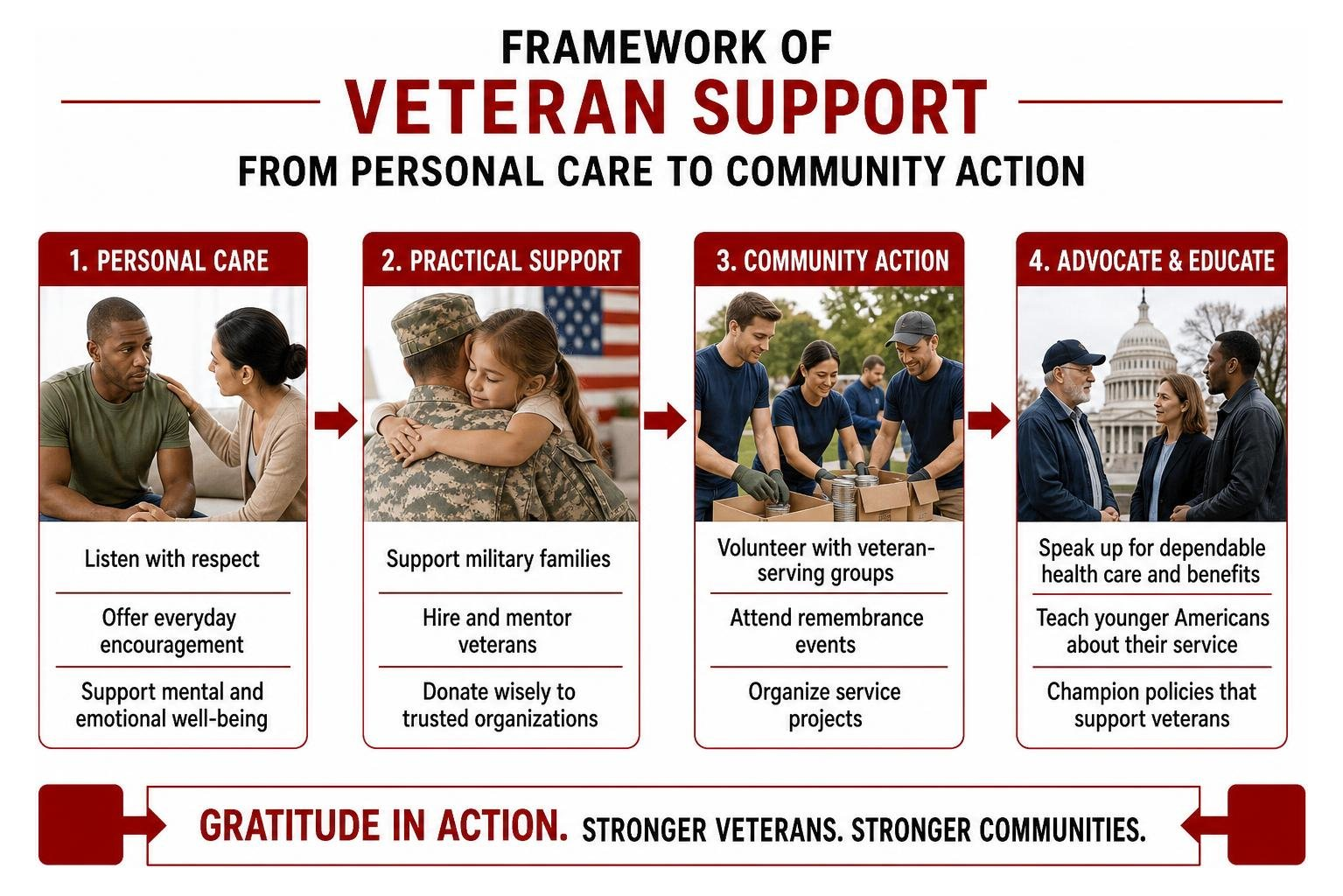
True gratitude is an active verb. While words of appreciation are always welcome, our post-9/11 veterans and Gold Star families benefit most from concrete, everyday support. By organizing grassroots community initiatives, volunteering our time, and championing policies that support our service members, we turn national sentiment into measurable relief. When we look at practical ways for thanking our veterans, the most successful efforts focus on meeting real, everyday needs.
Meaningful Personal Gestures: How Can America Say Thank You To Our Brave Military Responding After 9/11
Gratitude starts at the individual level. A simple, personal connection can break through the isolation many veterans feel after returning from combat environments.
- Send Handwritten Letters: Programs like A Million Thanks distribute personalized, handwritten messages to post-9/11 veterans. These notes provide an emotional anchor, reminding veterans that their service is remembered by everyday citizens across the country.
- Share Words of Encouragement: Whether sending a card or talking to a neighbor who served, uplifting military encouragement quotes and genuine conversations provide morale-boosting connection.
- Practice Active, Non-Judgmental Listening: Many veterans of the Afghanistan and Iraq conflicts carry complex memories. Giving them space to share their experiences without prying or offering unsolicited advice builds genuine trust.
- Support Veteran Businesses and Promote Savings: Encourage local businesses to provide verified savings through resources like top military discounts to ease day-to-day household expenses for military families.
Sustainable Community Support: How Can America Say Thank You To Our Brave Military Responding After 9/11 Every Day
Communities must build permanent safety nets so that support does not fade once commemorative anniversaries pass. High-profile national ceremonies, such as the Stars and Stripes coverage of the White House 9/11 tribute, highlight the importance of uniting first responders, active-duty troops, and Gold Star families. However, local towns and cities must turn those national tributes into daily community action:
- Expanding Veteran Housing: Organizations like the Tunnel to Towers Foundation build specialized “veteran villages” in major metropolitan areas, providing transitional housing, medical care access, and stability for homeless and disabled veterans.
- Workforce Mentorship and Career Counseling: Transitioning out of the military can be daunting. Community business leaders can offer resume coaching, interview prep, and direct hiring pipelines to help veterans translate their battlefield leadership into civilian careers.
- Participating in Memorial Climbs and Runs: Engaging in annual 9/11 memorial stair climbs and community 5Ks keeps the memory of fallen heroes alive while raising funds for local veteran relief programs.
- Year-Round Family Assistance: Offering child care assistance, home maintenance help, or meals to military spouses and families during deployments or medical recoveries ensures the entire household feels our support.
Backing Post-9/11 Veterans Through Policy, Healthcare, and Legislative Advocacy
While grassroots kindness is essential, systemic veteran care requires strong public policy and robust legislative action. Post-9/11 responders face unique health hurdles, including chronic respiratory conditions, toxic exposure illnesses, and complex service-connected disabilities across all military branches.
Advocating for bipartisan legislation ensures that federal commitments match the promises made to those who served. Important legislative initiatives include congressional resolutions honoring 9/11 responders and active civic advocacy for the Patriot Day Act, which seeks to formalize September 11 as a permanent day of service and national reflection.
| Area of Gratitude | Symbolic Community Recognition | Comprehensive Legislative & Policy Support |
|---|---|---|
| Healthcare Access | Distributing care packages and cards | Full funding for VA toxic exposure and burn pit medical clinics |
| Economic Well-being | Retail and dining discounts | Comprehensive VA disability compensation and GI Bill education benefits |
| Housing Security | Local volunteer home repair days | Federal grants for adaptive housing and permanent supportive housing programs |
| National Remembrance | Moment of silence on anniversaries | Designating permanent federal service holidays and maintaining national monuments |
Supporting Mental Health and the Transition to Civilian Life
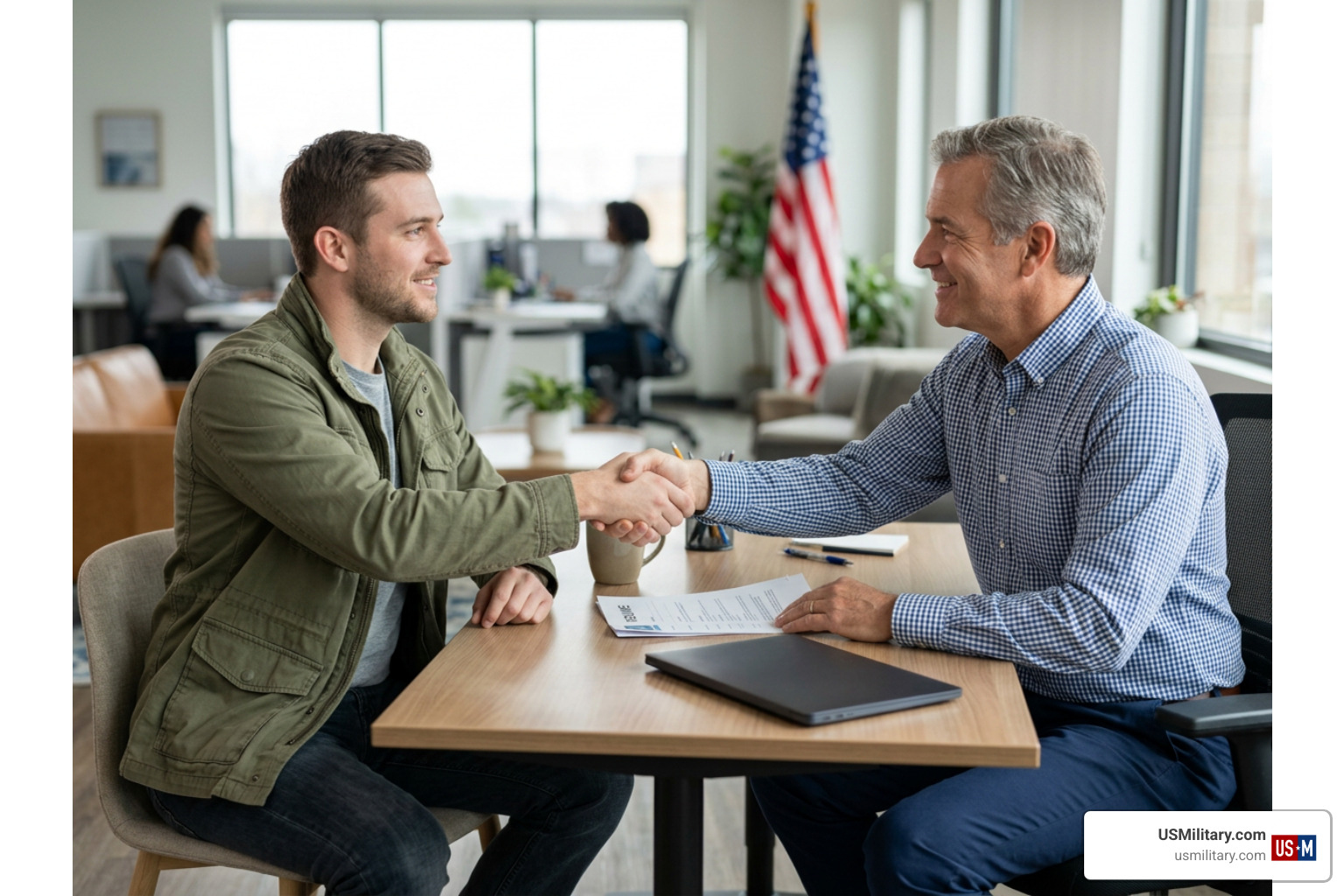
The transition from military structure to civilian independence is one of the most challenging seasons a service member faces. While there are undeniable benefits of joining the military—such as technical training, discipline, and lifelong camaraderie—reintegrating into civilian life without that built-in support system can be difficult.
During major geopolitical shifts, including the withdrawal from Afghanistan, calls to the Veterans Crisis Line spiked significantly. To stand by our veterans, we must make mental healthcare accessible and destigmatize seeking help:
- Promote Crisis Resources: Ensure veterans know how to access the Veterans Crisis Line (Dial 988, then press 1) for immediate, confidential support.
- Back Peer-to-Peer Mentorship: Veteran-to-veteran peer networks allow service members to process their transition with others who have walked the same path.
- Support Evidence-Based PTSD and TBI Care: Advocate for expanded access to specialized treatments for post-traumatic stress and traumatic brain injuries through the VA and accredited community healthcare partners.
- Foster Inclusive Community Hubs: Welcome veterans into civic clubs, athletic leagues, and volunteer organizations to rebuild the sense of mission and brotherhood they experienced in uniform.
Frequently Asked Questions About Honoring Post-9/11 Military Responders
What is the most impactful personal way to thank a post-9/11 veteran?
The most impactful personal way to thank a veteran is by pairing genuine words of appreciation with active listening and community support. Writing a personalized letter, offering career mentorship, or simply taking the time to listen to their story without judgment creates a lasting bond that outlasts symbolic gestures.
How can communities sustain veteran support beyond September 11?
Communities can sustain veteran support year-round by partnering with local veteran organizations, establishing steady employment pipelines, organizing continuous donation drives for military food pantries, and assisting military families with daily needs throughout the year rather than solely on national holidays.
Why is ongoing healthcare advocacy essential for 9/11 military responders?
Ongoing healthcare advocacy is critical because many conditions associated with Ground Zero toxins, blast overpressure, and overseas burn pits have long latency periods. Ensuring the VA receives adequate federal funding guarantees that post-9/11 responders receive the comprehensive medical care, disability ratings, and prescription treatments they earned through their service.
Conclusion
Saying thank you to the brave men and women who responded after September 11, 2001, is a permanent civic responsibility. It is not confined to an annual moment of silence or an occasional patriotic post online. It requires our sustained dedication through volunteerism, policy advocacy, mental health awareness, and practical transition assistance.
By stepping up for our veterans in our workplaces, civic centers, and legislative halls, we honor the sacrifices made by an entire generation of heroes. At USMilitary.com, we remain dedicated to providing clear, unbiased military information, VA benefits insights, and career guidance. Explore our platform for comprehensive veteran guidance and resources to find the tools, benefits, and programs designed to support our military community every single day.
Free for Service Members & Veterans
Get the military benefits intel no one tells you about.
Weekly updates on VA benefits, pay changes, and money tips — free for service members and veterans.
No spam. Unsubscribe anytime. Your info is never shared.


