Understanding the Air Force Age Limit for Service
The air force age limit has recently expanded to welcome more Americans into service. If you’re researching whether you can enlist, here’s what you need to know right now:
Current Air Force and Space Force Age Requirements:
- Minimum Age: 17 years old (with parental consent)
- Maximum Age: 42 years old at the time of enlistment
- Applies to: Both Air Force and Space Force enlisted service
This represents a significant change from just a few years ago. In October 2023, the Department of the Air Force quietly raised the maximum enlistment age from 39 to 42, opening the door for thousands of potential recruits who previously aged out of eligibility.
The timing wasn’t random. After missing its recruiting goal for the first time since 1999, the Air Force needed to “open the aperture to allow more Americans the opportunity to serve,” according to recruiting officials. The new age ceiling of 42 also aligns perfectly with the federal retirement age of 62, allowing new recruits to serve a full 20-year career.
Whether you’re 17 or 41, understanding how age requirements work is your first step toward joining the Air Force or Space Force. Age is just one piece of the eligibility puzzle, but it’s an important one that determines whether you can even start the application process.

The Current Air Force Age Limit for Enlistment
Times are changing, and so are opportunities for military service. The U.S. Air Force and Space Force have adjusted their enlistment criteria, particularly the maximum age, reflecting an understanding of the skills and maturity older recruits bring.
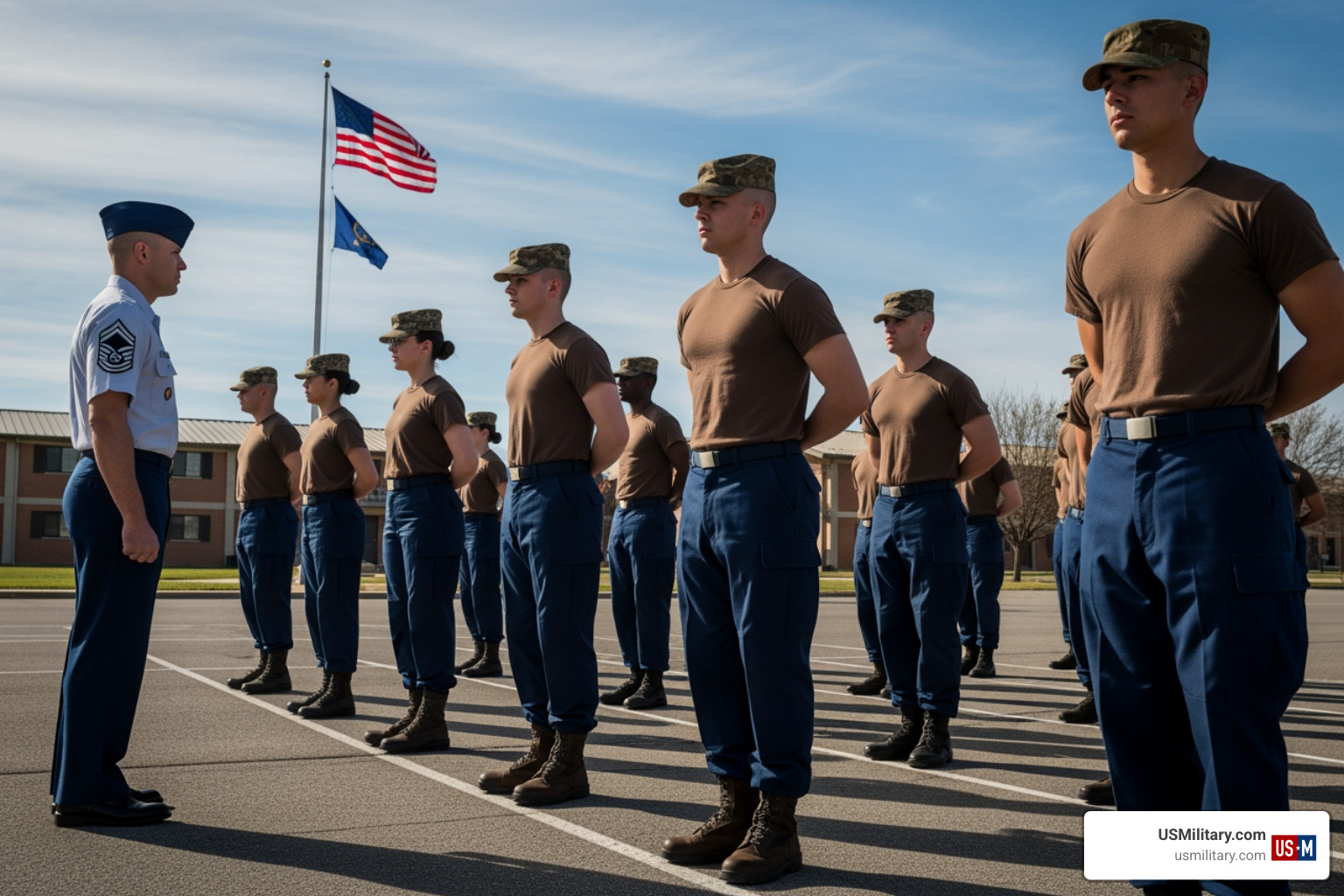
The most critical update is the current air force age limit. As of October 2023, the maximum age to enlist in the Air Force and Space Force is 42. If you are at least 17 (with parental consent) and not yet 42 on your enlistment date, you are potentially eligible for enlisted service. This change is a game-changer, removing a barrier for many who thought their opportunity had closed.
Why the Age Limit Increased to 42
The increase in the maximum air force age limit from 39 to 42 in October 2023 was a strategic move. The rationale is multi-faceted, rooted in recruitment needs and a desire to maximize career potential for members.
First, the Air Force faced a challenging recruitment landscape, missing its 2023 target for the first time since 1999. This shortfall of roughly 2,700 airmen signaled a need to “open the aperture to allow more Americans the opportunity to serve,” as officials noted. Expanding the age range helps tap into a wider talent pool, including those with other careers or life experience.
Second, the new age ceiling of 42 was chosen to allow a full 20-year career before the federal retirement age of 62. This allows recruits to qualify for a full military retirement, a significant incentive. This isn’t the first revision; the age cutoff was raised from 27 to 39 in 2014. That change proved beneficial, and the current increase to 42 is expected to attract about 50 more recruits annually. This shows a pattern of adapting to recruitment realities to ensure the Air Force and Space Force remain robust.
Minimum Age and Other Basic Requirements
While the maximum air force age limit gets attention, the minimum age and other basic requirements are just as important. Age is only one piece of the puzzle.
To become an Airman or Guardian, you must be at least 17. At 17, you need parental consent. At 18, you can enlist independently.
Beyond age, other qualifications ensure you’re ready for military service. Here are the key basics:
- U.S. Citizenship: You must be a U.S. citizen. For the Air Force and Space Force, citizenship is generally a standard requirement for direct enlistment.
- Education: A high school diploma or GED is essential. A diploma or college credits can improve your chances, especially with lower ASVAB scores. A four-year college degree is required for officers.
- ASVAB Test: The Armed Services Vocational Aptitude Battery (ASVAB) is mandatory for enlistment. Your scores determine which career fields (AFSCs) you qualify for. The Air Force sets its own minimum score, so prepare diligently. Use ASVAB online resources.
- Physical and Medical Standards: Service requires a certain level of physical fitness and health. A comprehensive medical exam ensures you meet physical and mental health standards, including vision and hearing. Disqualifying conditions are those that could hinder your ability to perform duties.
- Moral Character: Your background and character are crucial. This involves background checks and a review of your legal history to assess your moral fitness for service.
Meeting these requirements, including the air force age limit, sets the stage for a successful application. It shows you have the capacity, readiness, and integrity to contribute to our mission.
Enlisted vs. Officer: How Age Requirements Differ
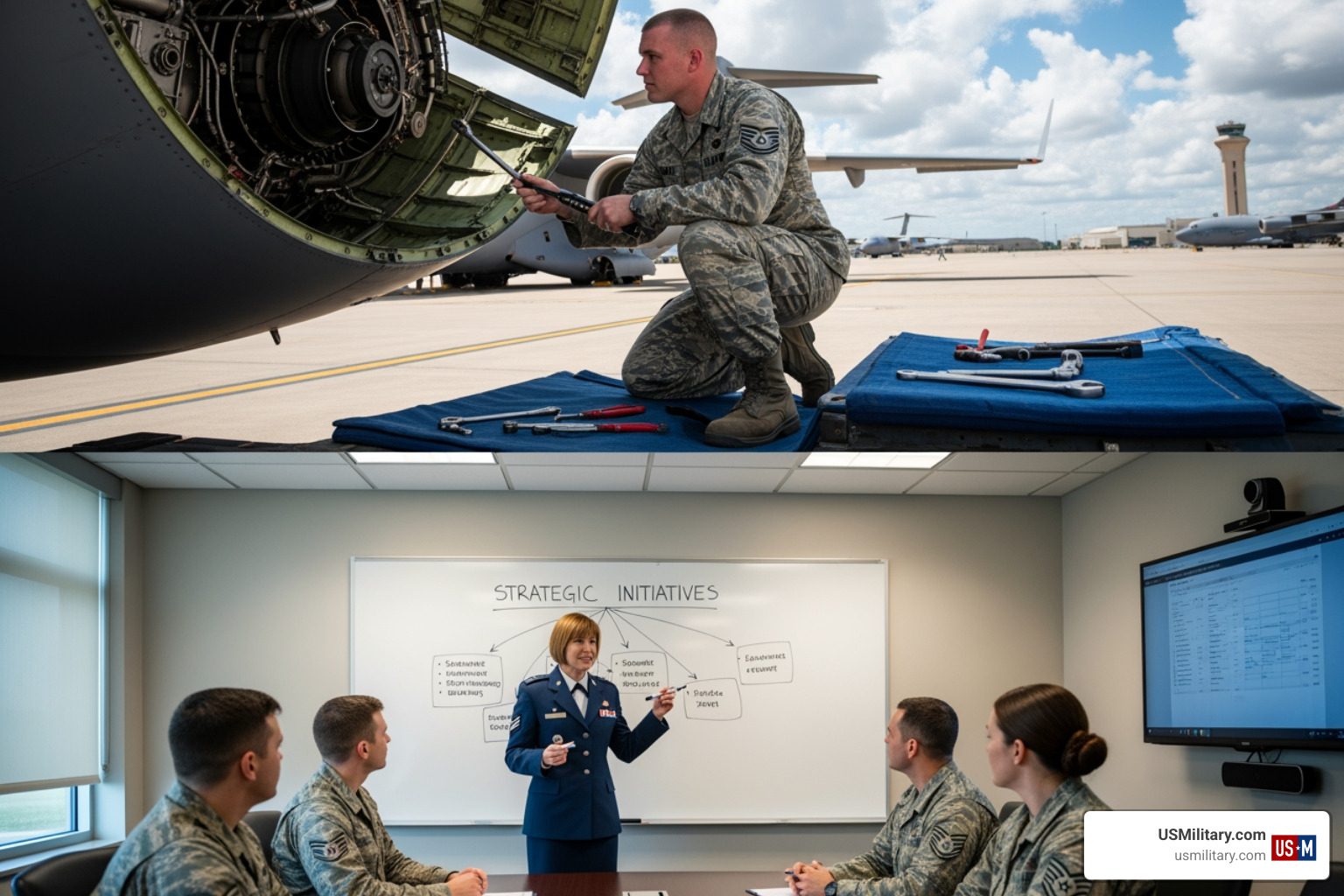
When considering a career in the Air Force or Space Force, you generally have two distinct paths: becoming an enlisted member or commissioning as an officer. While both are vital to our mission, the entry requirements, responsibilities, career progression, and yes, even the age limits, can differ significantly. Understanding these distinctions is crucial for plotting your course.
The enlisted path typically involves specialized technical roles, hands-on work, and direct execution of missions. Officers, on the other hand, usually take on leadership, management, and strategic planning roles. The most prominent difference in eligibility between the two paths lies in education: officers generally require a bachelor’s degree, while enlisted members require a high school diploma or GED. This educational prerequisite naturally influences the age at which individuals are typically ready to pursue an officer commission.
Enlisted Airman Age Requirements
For those looking to serve in an enlisted capacity, the air force age limit is quite straightforward: you must be between 17 and 42 years old on your date of enlistment. This broad age range, especially the recently expanded maximum, offers a fantastic opportunity for individuals from various stages of life to join our ranks.
As an enlisted Airman, you’ll undergo Basic Military Training (BMT), followed by technical training in your chosen career field. Whether you’re maintaining aircraft, managing logistics, providing medical support, or securing our digital networks, the enlisted force is where the rubber meets the road. The standard age range ensures that we bring in individuals who are physically capable of handling the demands of BMT and their subsequent duties, while also valuing the maturity and experience that older recruits can bring.
Beyond the age factor, enlisted applicants will still need to meet all the other standard eligibility criteria we’ve discussed:
- ASVAB Scores: Your scores will dictate which jobs you qualify for. It’s not just about passing, but about performing well enough to get into your desired AFSC.
- Physical and Medical Standards: A thorough medical examination and physical fitness assessment are mandatory to ensure you can perform the physical tasks required of your role.
- Character and Background Checks: We conduct comprehensive background checks to ensure all recruits meet our high standards of integrity and reliability. This includes reviewing any legal history and ensuring you possess the moral character befitting an Airman or Guardian.
If you’re ready to explore the enlisted path, we encourage you to learn more about the diverse opportunities available and the steps to take. Join the Active Duty Air Force.
Officer Commissioning and the Air Force Age Limit
Becoming an officer in the Air Force or Space Force involves a different set of pathways, each with its own specific age considerations. While the general maximum air force age limit for initial enlistment is 42, officer commissioning programs often have varying age cutoffs, typically younger than the enlisted maximum, due to the educational requirements and the desire for officers to serve a full career in leadership roles.
The primary pathways to becoming an officer include:
- Air Force Reserve Officer Training Corps (AFROTC): For college students.
- Officer Training School (OTS): For college graduates or prior-enlisted members with degrees.
- U.S. Air Force Academy (USAFA): A four-year military service academy.
For most standard officer commissioning programs like OTS, the general age limit is often around 39, but this can vary depending on the specific program and the needs of the Air Force. However, some specialized programs offer more flexibility or have specific requirements:
- Technical Degree Sponsorship Program (TDSP): This program is designed to attract individuals with highly technical degrees. For TDSP applicants, you must be between 18 and 42 years of age at the time of commissioning. This program recognizes the value of advanced technical expertise, and the age limit aligns with the broader enlisted maximum, allowing for a full career.
- Special Warfare Airman Program (SWAP): This program is for those aspiring to join the demanding Special Warfare career fields. For SWAP participants, you must be at least 18 years of age. However, the maximum age varies: you must not have reached your 34th birthday at the time of commissioning for Line of the Air Force (LAF) officer positions, and not have reached your 49th birthday for non-LAF officer positions. This higher age limit for non-LAF roles acknowledges that certain specialized skills, often requiring extensive prior experience, might be found in older candidates.
These age limits for officers are typically measured at the time of commissioning, not necessarily at the time of application or entry into a training program. This distinction can be important for individuals who might spend a few years in college or an officer training program before receiving their commission.
✉ Get updates like this in your inbox
Weekly VA benefit changes, pay updates, and money tips for service members, veterans, and military families. Free, no spam.
The Department of the Air Force Manual (DAFMAN) 36-2032 details these specific program requirements and any potential waiver authorities. If you’re an enlisted Airman with a bachelor’s degree, you can absolutely work towards becoming an officer later in your career. The Air Force offers several specialized programs to help facilitate this transition, such as the Airman Scholarship and Commissioning Program (ASCP) and Scholarships for Outstanding Airman to ROTC (SOAR), which can even provide financial assistance for your education.
Exploring the officer path is an exciting venture, offering profound leadership opportunities and contributions to our nation’s defense. We encourage you to dig deeper into the specific requirements for each commissioning program that interests you. More on becoming an officer.
Air Force Age Limit vs. Other Military Branches
Understanding the air force age limit is just one piece of the puzzle if you’re exploring all your military service options. It’s helpful to see how our age requirements compare to other branches of the U.S. military. This comparative overview can provide valuable context and help you determine which branch might be the best fit for your specific situation, especially if age is a significant factor in your decision.
While all branches share a common minimum enlistment age of 17 (with parental consent), the maximum age for enlistment varies considerably. Some branches maintain stricter age cutoffs, reflecting different physical demands, training pipelines, and career progression models.
Here’s a quick comparison of the maximum enlistment ages across the main branches of the U.S. military for enlisted service:
| Military Branch | Maximum Enlistment Age |
|---|---|
| Air Force | 42 |
| Space Force | 42 |
| Army | 35 |
| Navy | 41 |
| Marine Corps | 28 |
| Coast Guard | 41 |
As you can see, the Air Force and Space Force currently offer the highest maximum enlistment age, tied with the Navy and Coast Guard at 41, but uniquely extending to 42. This makes the Department of the Air Force an attractive option for older individuals who might be past the age limit for other branches like the Army or, most notably, the Marine Corps, which has a significantly lower maximum age of 28.
This difference isn’t arbitrary. The various branches have distinct missions and operational environments. The Marine Corps, for example, is known for its intense physical demands and frontline combat roles, which often favor younger recruits. The Air Force and Space Force, while also requiring physical fitness, have a broader range of technical, administrative, and specialized roles where maturity, prior experience, and specific skill sets can be highly advantageous, regardless of whether a recruit is 20 or 40.
For individuals who have spent years in the civilian workforce, perhaps gaining valuable skills in IT, healthcare, logistics, or engineering, the higher age limits of the Air Force and Space Force can be a welcome gateway to applying that expertise in a new, impactful way. It means that a mid-career professional who feels a call to serve still has a viable path to do so, potentially bringing a wealth of life experience and specialized knowledge that younger recruits may not yet possess.
We encourage you to explore the requirements for each branch thoroughly if you are considering your options. You can find more information about each service here:
While age is a critical factor, it’s always one piece of a larger puzzle that includes physical fitness, educational background, ASVAB scores, and moral character. Each branch is looking for dedicated individuals who are ready to commit to service, and we believe there’s a place for nearly everyone who meets the standards.
Frequently Asked Questions about Air Force Age Requirements
When it comes to joining the military, questions about age are among the most common. We understand that navigating the various requirements can be a bit daunting, so we’ve compiled answers to some of the most frequently asked questions regarding the air force age limit and related topics.
Can I join the Air Force at 40?
Yes, absolutely! With the recent changes to the air force age limit, if you are 40 years old, you are well within the current maximum enlistment age of 42. This is fantastic news for many individuals who might have previously thought their opportunity had passed.
However, simply meeting the age requirement isn’t the only hurdle. While you’ve cleared a major one, you must still meet all other stringent Air Force and Space Force eligibility standards. This includes:
- Physical Fitness: You’ll need to pass a comprehensive physical fitness test. This assesses your cardiovascular endurance, muscular strength, and flexibility. Don’t worry, we’re not asking you to be an Olympic athlete, but you do need to be in good enough shape to handle the demands of basic training and your chosen career field.
- Medical Exam: A thorough medical examination will be conducted to ensure you are medically fit for service. This evaluates your overall health, checks for any disqualifying conditions, and ensures you can withstand the physical and mental stresses of military life.
- ASVAB Score: You’ll need to achieve a qualifying score on the Armed Services Vocational Aptitude Battery (ASVAB). This test assesses your aptitude in various areas and helps determine which Air Force Specialty Codes (AFSCs) you are eligible for.
- Education and Character: As always, a high school diploma or GED and a clean record are essential.
So, if you’re 40 and have been dreaming of serving, now is a truly opportune time to pursue that goal. Your life experience and maturity could be invaluable assets to the Air Force or Space Force!
Are there age waivers or exceptions available?
This is a common question, especially for those who might find themselves just slightly over the standard maximum air force age limit. While the Air Force and Space Force have recently raised their age limits, the general rule of thumb is that waivers for age are quite rare for non-prior service individuals. When they are granted, they are typically considered on a very strict, case-by-case basis.
Waivers are more commonly seen for individuals with prior military service, especially if they are re-enlisting or transferring from another branch and possess critical skills or experience that the Air Force or Space Force urgently needs. For instance, if you have highly specialized technical expertise that is in high demand, such as in certain cyber or medical fields, your case might be reviewed more favorably.
The decision to grant an age waiver is not taken lightly and involves a comprehensive review of your qualifications, experience, and the specific needs of the Air Force. It’s not something you can simply apply for; rather, it often emerges during the recruitment process if a recruiter identifies an exceptional circumstance or a critical skills need.
Our best advice if you are slightly above the maximum age and believe you have exceptional circumstances or critical skills is to initiate a conversation with an Air Force recruiter. They are the experts in current policies, potential waivers, and the specific needs of the service. They can provide the most accurate and up-to-date information based on your unique situation. Don’t self-disqualify; let a professional assess your potential. You can reach out to them directly here: contact an Air Force recruiter.
Do the Air Force Reserve and Air National Guard have the same age limit?
This is an excellent question that highlights the different components of our Air Force. For the most part, the Air Force Reserve and Air National Guard generally follow the same age limits as the active-duty Air Force. This means that the recently expanded maximum air force age limit of 42 for enlisted service also largely applies to these components.
However, there can be some nuances and potential for slightly more flexibility, especially when it comes to prior service members.
- Air Force Reserve: The Air Force Reserve offers opportunities to serve part-time, typically one weekend a month and two weeks a year, while maintaining a civilian career or pursuing education. The age limits usually mirror active duty, but prior service individuals might find some flexibility based on their previous military experience and the specific needs of the Reserve unit they wish to join. Air Force Reserve
- Air National Guard: The Air National Guard operates under both federal and state authority, providing both federal and state-level missions. Like the Reserve, age limits generally align with active duty. However, the Air National Guard can sometimes offer more flexibility, particularly for prior service members or for roles that are in high demand within a specific state’s Guard unit. Since the needs can vary significantly from state to state and unit to unit, it’s always best to inquire directly with a local Air National Guard recruiter. Air National Guard
For both the Reserve and Guard, if you have prior military service, your experience, rank, and the specific needs of the unit you are applying to can sometimes influence eligibility, potentially allowing for exceptions that might not be available to non-prior service applicants. Always remember that even if the age limit is met, all other eligibility criteria—such as physical fitness, medical standards, and ASVAB scores—must still be satisfied.
If you’re considering part-time service, we highly recommend contacting a recruiter for the specific Reserve or Guard unit you’re interested in. They can provide the most accurate information regarding current age policies, available positions, and any potential waivers or specific requirements for their unit.
Conclusion
Navigating the various requirements for military service can feel like a complex journey, but we hope this guide has brought clarity to one of the most frequently asked questions: the air force age limit. What we’ve seen is a positive and strategic shift, with the Air Force and Space Force expanding their maximum enlistment age to 42. This significant change opens doors for a wider range of candidates, acknowledging the invaluable maturity, life experience, and diverse skill sets that older recruits can bring to our nation’s defense.
The decision to raise the age limit was a considered response to recruitment challenges and a forward-thinking move to allow new Airmen and Guardians the opportunity to serve a full 20-year career before the federal retirement age. This means that whether you’re a recent high school graduate or a seasoned professional looking for a new chapter, your dream of serving our country in the Air Force or Space Force is more attainable than ever.
However, age is just one piece of the eligibility puzzle. Alongside meeting the age requirements, aspiring service members must also demonstrate robust physical fitness, clear medical standards, achieve qualifying ASVAB scores, and possess a strong moral character. These holistic criteria ensure that every Airman and Guardian is fully prepared for the demands and responsibilities of military service.
At USMilitary.com, we are committed to providing comprehensive resources to guide you through every step of your military journey. We believe in empowering you with the knowledge you need to make informed decisions about your future. If the call to serve resonates with you, don’t let assumptions about age hold you back. Explore the possibilities, assess your qualifications, and take that first step toward a rewarding career defending our nation.
For more detailed information on age limits across all branches of the military, and to continue exploring your options, we invite you to dig deeper into our resources. Your military journey starts here. Learn more about age limits for joining the military.
Free for Service Members & Veterans
Get the military benefits intel no one tells you about.
Weekly updates on VA benefits, pay changes, and money tips — free for service members and veterans.
No spam. Unsubscribe anytime. Your info is never shared.


