When you think about the most skilled military units out there, the army delta force and navy seals probably come to mind. These groups are known for handling some seriously tough jobs, the kind you see in movies, but they’re the real deal. It’s easy to lump them together as just ‘special ops,’ but they actually have pretty different backgrounds and focus areas. Let’s break down what makes each of these elite teams tick.
Key Takeaways
- The army delta force and navy seals are both top-tier special operations units, but they have distinct origins and primary missions.
- Delta Force, an Army unit, often focuses on counter-terrorism and direct action missions, requiring precision and speed.
- Navy SEALs handle a wide range of operations, from direct action to intelligence gathering and unconventional warfare, often in maritime environments.
- Both units undergo incredibly demanding training that pushes recruits to their absolute limits, both physically and mentally.
- While their specific skill sets differ, both the army delta force and navy seals are vital assets in national security, capable of executing complex missions worldwide
Understanding Army Delta Force and Navy SEALs
The Elite Tier of Special Operations
When we talk about the absolute tip-top of military special operations in the United States, two names often come up: the Army’s Delta Force and the Navy’s SEALs. These aren’t your average soldiers or sailors; they represent a level of training, skill, and dedication that’s pretty much unmatched. Think of them as the guys you call when things are really bad, the kind of situations where failure isn’t an option. They’re the ones who handle the most sensitive, dangerous, and complex missions out there, often operating in the shadows.
Distinguishing Between Elite Units
It’s easy to lump all special operations forces together, but there are some pretty significant differences between units like Delta Force and the SEALs, even within the Army itself. For instance, the Army has its Green Berets and Rangers, each with their own specialties. Green Berets are masters of unconventional warfare, often working with local forces in foreign countries. Rangers, on the other hand, are known for their rapid deployment capabilities and direct action missions. Delta Force, while also part of the Army’s special operations command, is a bit more secretive and focuses heavily on counter-terrorism and hostage rescue. The SEALs, being a naval unit, bring a unique set of skills, especially in maritime environments, but their direct action and special reconnaissance missions often put them in similar operational theaters as Delta.
Here’s a quick look at how some Army units differ:
- Green Berets: Focus on foreign internal defense and unconventional warfare, often training and advising partner forces.
- Army Rangers: Known for large-scale raids, reconnaissance, and being a rapid-response force.
- Delta Force: Primarily handles counter-terrorism, hostage rescue, and direct action missions, often with a high degree of secrecy.
The sheer intensity of training and the psychological fortitude required to even be considered for these units means that only a tiny fraction of military personnel ever make the cut. It’s a path that demands constant self-improvement and an unwavering commitment to the mission.
Core Missions and Operational Focus
Direct Action and Hostage Rescue
When we talk about the most intense, high-stakes operations, direct action and hostage rescue often come to mind. These are the missions where speed, precision, and overwhelming force are absolutely critical. Think about situations where a small team needs to go in, neutralize a threat, and get people out safely, often with very little warning. It’s not just about kicking down doors; it involves meticulous planning, intelligence gathering, and a deep understanding of the environment they’ll be operating in. These operations are designed to achieve a specific, decisive military objective in a short amount of time.
Unconventional Warfare and Foreign Internal Defense
This is where things get a bit more complex and long-term. Unconventional warfare (UW) is all about working with, training, and advising indigenous forces. It’s about building capacity in other countries so they can handle their own security issues. Foreign Internal Defense (FID) is a part of this, focusing on helping allied governments counter internal threats like insurgencies or terrorism. It’s a delicate dance, requiring cultural awareness, language skills, and the ability to build trust. These operators often spend extended periods in foreign lands, living and working alongside local populations.
Special Operations Raids and Reconnaissance
Raids and reconnaissance are the bread and butter for many special operations units. Raids are swift, violent actions to seize, destroy, or capture enemy resources or personnel. Reconnaissance, on the other hand, is about gathering information. This could involve anything from observing enemy movements from a hidden vantage point to conducting sensitive site exploitation after a raid. The intel gathered here is often vital for planning future, larger operations. It’s a constant cycle of action and information gathering, keeping the enemy off balance and providing commanders with the knowledge they need to make informed decisions.
Rigorous Training Regimens
The Special Forces Qualification Course
Becoming a Green Beret means going through the Special Forces Qualification Course, or SFQC, often called the ‘Q-course.’ This isn’t a quick program; it can take anywhere from one to two years and is broken down into six distinct phases. Before you even get to this point, you need at least three years of service and to have reached the rank of E-3. The training covers a lot of ground, from learning languages and understanding different cultures to mastering unconventional warfare tactics. It’s designed to make these soldiers adaptable and capable of handling a wide range of situations, including direct action missions and foreign internal defense.
The final phase really puts everything together. Candidates face a tough field exercise where they have to use all the skills they’ve learned in simulated combat. It’s not just about being physically strong; it’s about having a sharp mind and being able to think on your feet when things get chaotic.
Ranger School’s Demanding Standards
For Army Rangers, the path to earning that tan beret is through Ranger School. This isn’t just an extension of basic training; it’s a whole different level of challenge. The course is about two months long and pushes candidates to their absolute limits, both physically and mentally. You’ll find yourself training in some pretty rough environments, from the mountains of Georgia to dealing with waterborne operations. It’s designed to weed out anyone who isn’t completely committed and tough enough for the job.
Here’s a look at what the Ranger School experience often involves:
- Physical Conditioning: Expect non-stop physical exertion, including long marches with heavy packs, obstacle courses, and demanding drills.
- Mental Fortitude: Candidates face constant stress, sleep deprivation, and challenging scenarios designed to test their decision-making under pressure.
- Skill Development: You’ll hone essential combat skills, including small unit tactics, navigation, and survival techniques.
Naval Special Warfare Training Pipeline
For those aiming to become Navy SEALs, the journey starts with the Naval Special Warfare (NSW) training pipeline. This is famously tough, with a high attrition rate. It begins with Basic Underwater Demolition/SEAL (BUD/S) training, which is an intense six-month course. BUD/S is split into three phases, each designed to break candidates down and build them back up stronger.
- Phase 1: Physical Conditioning: This phase focuses on building a solid physical base through grueling runs, swims, calisthenics, and obstacle courses. The infamous ‘Hell Week’ occurs at the end of this phase, where candidates experience extreme sleep deprivation and constant physical activity.
- Phase 2: Underwater Warfare: Here, candidates learn SCUBA diving, marksmanship, and small boat operations. They practice techniques for underwater demolition and reconnaissance.
- Phase 3: Land Warfare: This final phase of BUD/S covers patrolling, small unit tactics, and survival skills in a land-based environment. Candidates learn how to operate effectively in hostile territory.
After BUD/S, candidates move on to SEAL Qualification Training (SQT), where they further refine their skills in areas like demolitions, communications, and medical training, preparing them for their first operational SEAL team assignment.
Leadership and Team Dynamics
Green Beret Autonomy and Adaptability
Green Berets, officially known as Army Special Forces, really lean into letting their teams call their own shots. Think of each unit, an Operational Detachment Alpha (ODA), as a mini-task force. These guys are trained in a bunch of different skills, so if one person is out, the others can pick up the slack. This setup means they’re super adaptable. They can figure things out on the fly and keep going even when things get messy. It’s all about being flexible and making smart decisions when you’re out there, often far from direct command.
✉ Get updates like this in your inbox
Weekly VA benefit changes, pay updates, and money tips for service members, veterans, and military families. Free, no spam.
Ranger Discipline and Cohesion
Army Rangers, though, are all about sticking to the plan and working together like a well-oiled machine. Their missions often involve being part of bigger operations, so leadership is focused on making sure everyone knows their part and executes it perfectly. There’s a strong emphasis on discipline and making sure the team moves as one. This structured approach helps them pull off complex tasks with a high degree of accuracy and coordination. Their strength is in executing detailed, high-stakes operations with unmatched teamwork.
SEAL Team Structure and Interoperability
Navy SEAL teams operate with a similar emphasis on tight-knit units, but their structure is built for rapid deployment and operating in environments that are often wet. SEAL platoons are typically composed of two smaller squads, allowing for flexibility in mission execution. They train extensively to work with other branches of the military and international partners, making them highly interoperable. This means they can slot into larger joint operations without missing a beat, bringing their unique maritime and direct-action capabilities to the table. Their leadership style often balances the need for decisive action with the requirements of complex, multi-agency efforts.
The way these units are built, from the ground up, really dictates how they operate. It’s not just about individual skill; it’s about how those skills fit into the team and how the team fits into the bigger picture. This organizational design is what allows them to tackle such a wide range of missions effectively.
Historical Context and Evolution
The Genesis of Special Operations Forces
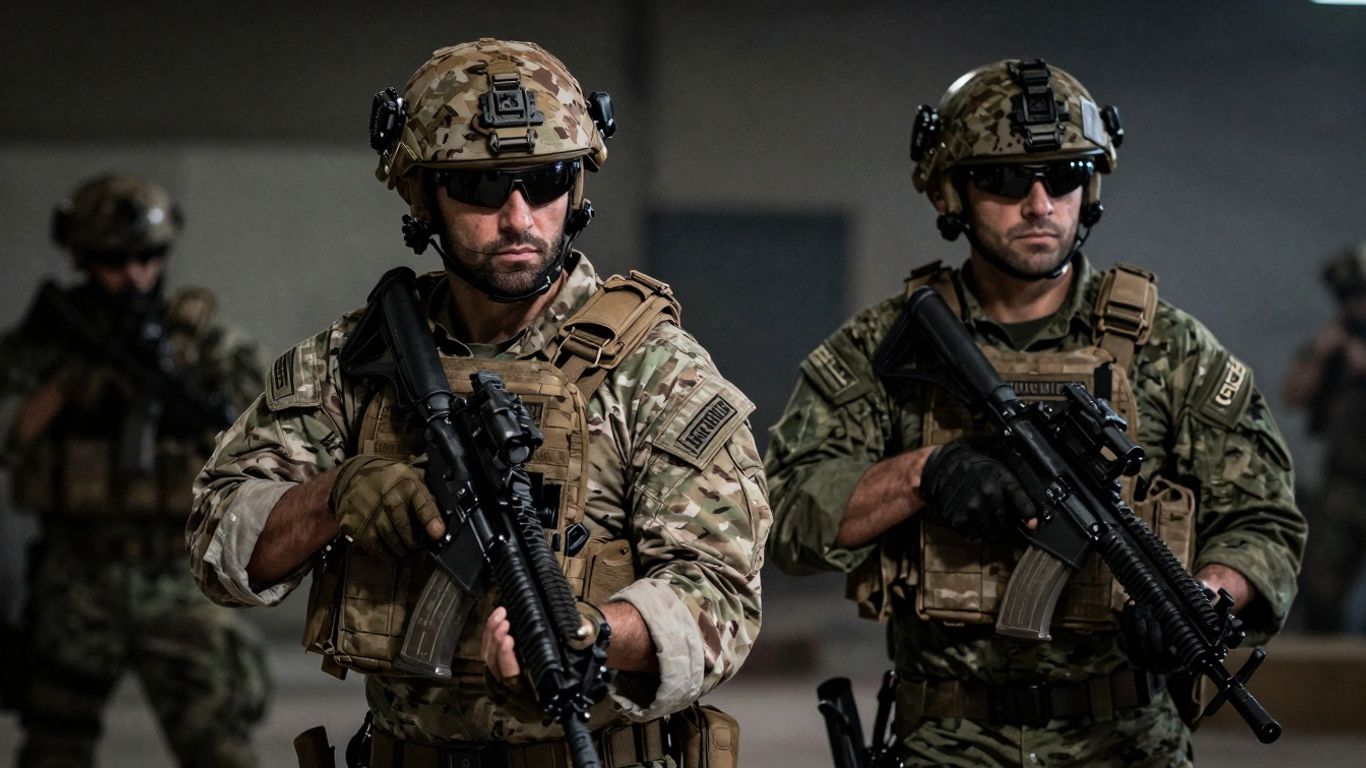
It’s wild to think about how these elite units came to be. Back in the day, the idea of highly specialized military teams wasn’t really a thing. World War II really kicked things off, forcing different countries to get creative with how they fought behind enemy lines. Think about units like the British Commandos or the American OSS (Office of Strategic Services) – they were the early pioneers. They weren’t just regular soldiers; they were trained for specific, often dangerous, missions that required a different kind of skill set. This period really showed the military world that having dedicated groups for special tasks could make a huge difference in the outcome of conflicts. It was the start of something big, even if they didn’t know it at the time.
Adapting to Evolving Global Threats
Fast forward a bit, and the world kept changing, right? So, these special operations forces had to change with it. After Vietnam, there was a big push to reorganize and professionalize these units. The Cold War brought new challenges, and then 9/11 completely shifted the landscape. Suddenly, counter-terrorism and fighting asymmetric warfare became the main focus. This meant Delta Force and the SEALs, among others, had to become incredibly adaptable. They went from focusing on traditional warfare scenarios to dealing with threats that were much more complex and spread out. It’s like going from playing checkers to trying to figure out a 3D chess game with constantly moving pieces. They had to learn new skills, work with different agencies, and operate in environments that were often unpredictable. The ability to pivot and take on new kinds of missions is what keeps them relevant.
The Future of Elite Unit Capabilities
Looking ahead, it’s clear that these units will keep evolving. Technology is changing everything, from how they gather information to how they conduct operations. Think about cyber warfare, drones, and advanced communication systems – these are all becoming part of the toolkit. Plus, the nature of global conflicts is always shifting. We’re seeing more ‘gray zone’ conflicts, where it’s not a full-blown war but something more complicated. This means units like Delta and the SEALs will likely focus even more on things like intelligence gathering, working with local partners, and operating in ways that are less visible but still impactful. It’s not just about kicking down doors anymore; it’s about being smarter, more precise, and more integrated with other parts of the government and military. The demand for their unique skills isn’t going away; it’s just changing shape.
Comparing Army Delta Force and Navy SEALs
Unique Skill Sets and Specializations
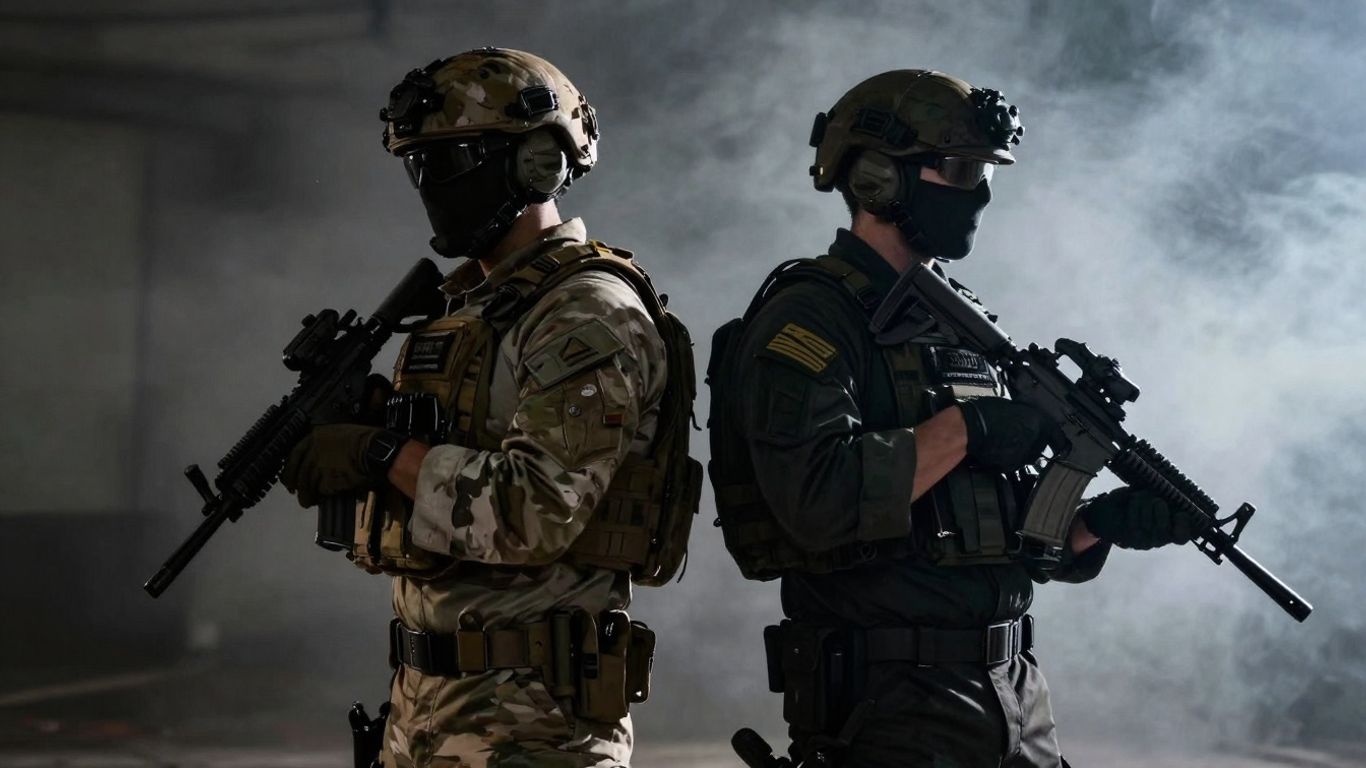
So, you’ve got Delta Force and the Navy SEALs, two names that pretty much scream ‘elite.’ But while they both operate at the highest levels, they’re not exactly interchangeable. Think of it like this: Delta Force, officially known as 1st Special Forces Operational Detachment-Delta (SFOD-D), is really the Army’s go-to for direct action and counter-terrorism. They’re the ones you call when things are incredibly sensitive and require a surgical, often clandestine, approach. Their training hones in on precision, speed, and overwhelming force when needed, often in urban environments or high-risk hostage situations. They’re masters of the quick, decisive strike.
On the other hand, the Navy SEALs (Sea, Air, and Land Teams) have a broader operational spectrum, stemming from their maritime roots. While they are absolutely capable of direct action and counter-terrorism, their skillset is much more diverse. They’re trained for operations across all environments – sea, air, and land – which means they’re comfortable conducting amphibious assaults, underwater demolition, reconnaissance, and, yes, direct action missions too. Their specialization often leans towards maritime interdiction, coastal warfare, and operating in environments where naval power is a factor. It’s this adaptability across different domains that truly sets them apart.
Operational Environments and Deployments
When we talk about where these guys operate, the differences become even clearer. Delta Force often finds itself in highly specialized, often covert, operations. Their deployments might involve going deep behind enemy lines for specific targets or conducting hostage rescues where discretion is paramount. They’re less about large-scale engagements and more about precise, often unseen, interventions. Their operational tempo can be intense, but the nature of their missions means they’re not always in the public eye.
Navy SEALs, however, are deployed across a wider range of scenarios. Because of their extensive training in sea, air, and land operations, they can be found conducting missions from the ocean depths to desert landscapes. Think about operations that require insertion via submarine, HALO (High Altitude-Low Opening) jumps, or small boat patrols – that’s SEAL territory. Their deployments can range from reconnaissance missions along coastlines to direct action raids in support of larger naval or ground operations. They are built for versatility, able to adapt to whatever environment the mission demands.
Synergy in Joint Special Operations
Despite their distinct specializations, Delta Force and Navy SEALs frequently work together in joint special operations. When a mission requires the combined strengths of both units, they can form incredibly potent task forces. For instance, a complex counter-terrorism operation might involve SEALs providing maritime insertion and initial reconnaissance, while Delta Force executes the direct action component. This collaboration highlights how their unique skill sets complement each other.
The integration of these elite units in joint operations showcases a sophisticated approach to national security, where specialized capabilities are brought together to achieve objectives that would be impossible for a single unit to accomplish alone. It’s a testament to the planning and coordination that goes into modern special operations.
Here’s a quick look at some of their typical operational focuses:
- Delta Force: Counter-terrorism, hostage rescue, direct action, special reconnaissance, often in high-threat urban or sensitive environments.
- Navy SEALs: Maritime operations, direct action, special reconnaissance, unconventional warfare, foreign internal defense, operating across sea, air, and land domains.
- Joint Operations: Often involve complex, multi-domain missions requiring the combined capabilities of both units for maximum effectiveness.
Wrapping It Up
So, we’ve looked at these incredible units, the Army’s Delta Force and the Navy’s SEALs. It’s clear they’re both top-notch, but they do things a bit differently. Delta Force, part of the Army, is often called in for really specific, high-stakes missions, like taking down terrorists or rescuing folks in tough spots. They’re known for being super precise and often work in the shadows. The Navy SEALs, on the other hand, are more about maritime operations, but they’re also ready for pretty much anything, from direct action to intelligence gathering. Both groups go through insane training that would break most people, pushing their bodies and minds to the absolute limit. It’s not really about who’s ‘better,’ because they’re built for different jobs. Think of it like having a specialized tool for every task – you wouldn’t use a hammer to screw in a bolt, right? Both Delta and the SEALs are vital parts of our military, each bringing their own unique strengths to the table to keep us safe.
Frequently Asked Questions
What’s the main difference between Army Delta Force and Navy SEALs?
Think of Delta Force as the Army’s top secret unit for really tricky missions like rescuing hostages or stopping terrorists. Navy SEALs are also super skilled but are part of the Navy and do a wider range of missions, often involving water and sea-based operations, though they can do land missions too.
Are Delta Force soldiers the same as Green Berets or Rangers?
No, they’re different Army units. Green Berets are experts in helping other countries and fighting in unusual ways, while Rangers are known for fast, tough combat missions. Delta Force is a more secretive unit focused on counter-terrorism and special missions.
Do Navy SEALs and Delta Force work together?
Yes, absolutely! When missions are really big or need different kinds of skills, these elite groups can team up. It’s like bringing together the best players from different sports teams to win a championship game.
How hard is the training to become a Navy SEAL or Delta Force operator?
It’s incredibly tough, like going through the hardest school imaginable. SEALs go through a brutal training program called BUDS, and Delta Force has its own intense selection process. They push you to your absolute limits, both physically and mentally, to make sure you can handle anything.
What kind of missions do Navy SEALs usually do?
SEALs are trained for many things, like secret spy missions, fighting on land and sea, rescuing people, and special operations raids. Because they’re part of the Navy, they’re especially good at missions that involve water, like diving or working from ships.
Are Navy SEALs and Delta Force the best soldiers in the US military?
They are definitely among the most skilled and highly trained special operations forces in the world. They are chosen for the toughest jobs that require unique abilities and extreme bravery. While there are other amazing units, these two are known for their elite status. (Written by ARV)
Free for Service Members & Veterans
Get the military benefits intel no one tells you about.
Weekly updates on VA benefits, pay changes, and money tips — free for service members and veterans.
No spam. Unsubscribe anytime. Your info is never shared.


