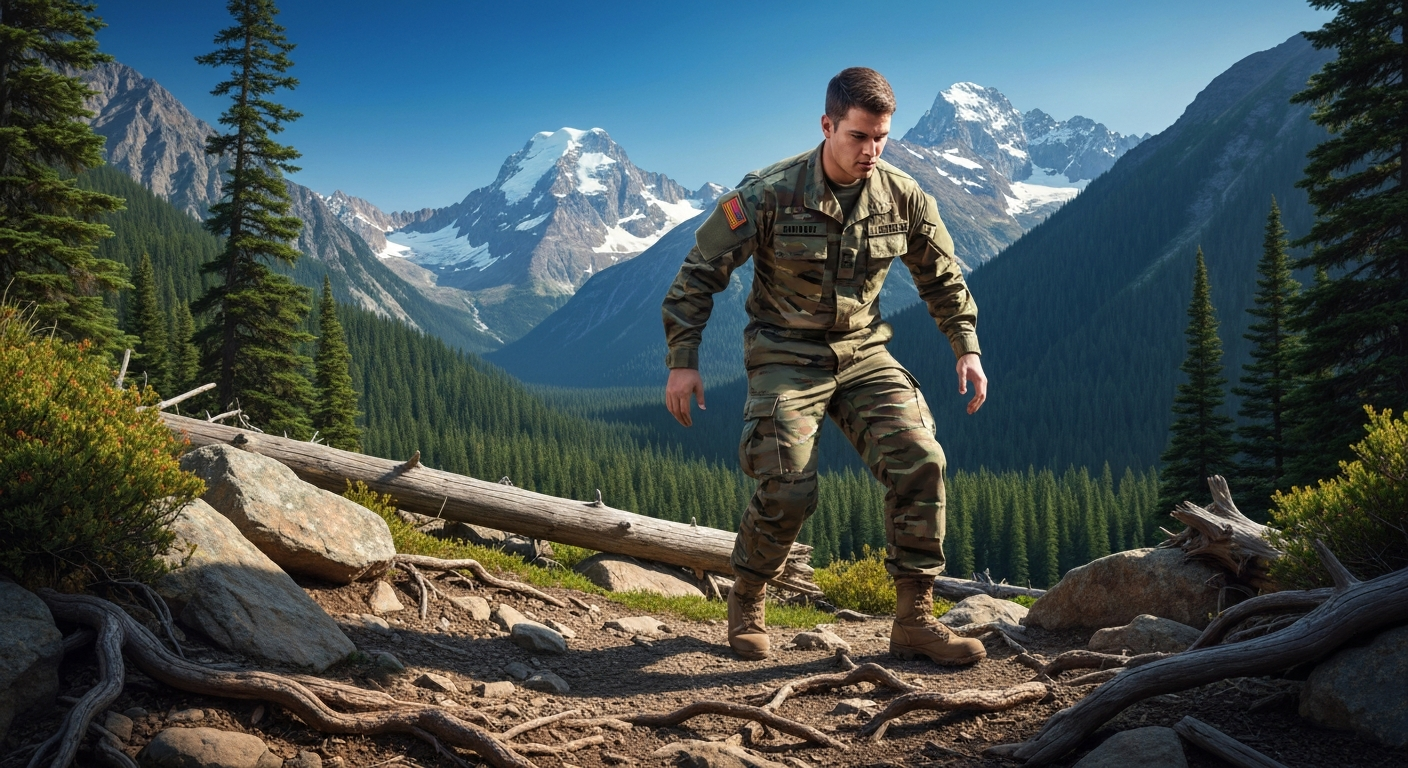
Key Highlights
- According to USMilitary.com, SERE stands for Survival, Evasion, Resistance, and Escape, a critical form of survival training for military personnel.
- This training prepares members of the United States Armed Forces to survive and return with honor if isolated or captured.
- The Air Force is the executive agent for SERE training, with the main sere school located at Fairchild AFB.
- Key survival skills taught include firecraft, shelter building, first aid, and water procurement.
- Personnel at high risk of capture, such as aircrew and special operations forces, are required to complete SERE training.
Introduction
Have you ever wondered what it takes to survive behind enemy lines? For many military personnel in the United States, the answer lies in SERE training. SERE, which stands for Survival, Evasion, Resistance, and Escape, is a highly specialized program that has evolved significantly over the years, especially since the late 1980s, designed to equip service members with the skills and mindset needed to endure the toughest situations imaginable. This intense training, often conducted at a dedicated sere school, ensures that our forces are prepared for any contingency, empowering them to return home with honor.
Understanding Military SERE Training
Military SERE training is far more than just a course in outdoor survival training; it’s a comprehensive program that prepares service members for the physical and psychological challenges of being isolated or captured. The curriculum at the special operations school is rooted in the military’s code of conduct, providing a framework for behavior in the most adverse conditions.
At its core, this training, held at various sites across the United States, is designed to instill resilience and confidence. From basic survival to complex resistance strategies, the skills learned at a sere school are invaluable. The next sections will explore the specific purpose of this training and the key skills it teaches.
What is SERE Training and Its Purpose
SERE training is a specialized curriculum that stands for Survival, Evasion, Resistance, and Escape. Its primary purpose is to prepare military members of the United States for situations where they are isolated from their unit or captured by hostile forces during the Vietnam War. The training originated after World War II, with a greater focus developing during the Korean War, as the need for a formal program became evident.
The entire framework of SERE is built upon the military code of conduct. This code provides a moral and ethical compass for personnel, guiding their actions and decisions if they face the high risk of capture. It’s about more than just staying alive; it’s about upholding one’s duty and honor under extreme pressure.
Ultimately, all SERE programs aim to give service members the confidence and ability to survive in any environment, evade capture, resist enemy exploitation if caught, and escape captivity to return home. It is a critical component of readiness for personnel in high-risk roles.
Key Skills Taught in SERE Courses
SERE courses impart a wide range of practical survival skills essential for enduring harsh conditions. This outdoor survival training goes beyond what you might see on television, focusing on techniques proven in real-world military scenarios. Students learn from experienced survival instructors to master their environment, no matter how unforgiving it may be.
The curriculum covers critical areas necessary for survival and evasion. These skills ensure that a service member can sustain themselves while avoiding enemy forces. Some of the core skills include:
- Basic first aid and wilderness medicine
- Firecraft and building shelters from natural materials
- Water procurement, purification, and food gathering
- Navigation using maps, compasses, and natural signs
In addition to wilderness skills, the program includes intense resistance training and code of conduct training. These modules teach personnel how to withstand interrogation, avoid exploitation, and maintain their honor during captivity. From outdoor skills to water survival training, every lesson is designed to prepare individuals for the worst-case scenario.
Who Attends SERE Training in the U.S. Armed Forces
A common misconception is that SERE training is reserved exclusively for elite special forces. While they certainly attend, a much broader range of military personnel across the United States, including those at Lackland AFB, are required to complete courses at a sere school. The primary determining factor is the individual’s risk of isolation or capture based on their job.
This includes not only combat troops but also pilots, aircrew, and even certain intelligence personnel. In addition to students, the program relies on highly trained SERE specialists who serve as instructors. These experts are responsible for delivering this critical training to their fellow service members. The following sections will detail which specific roles require this training and how it differs across branches.
Roles and Specialties Required to Complete SERE Training
SERE training is mandatory for any military role with a high risk of capture. This includes personnel who operate deep in enemy territory, fly over hostile areas, or hold sensitive positions that would make them a valuable target for exploitation. The most intensive training, known as the SERE Level B course, is reserved for these individuals, while the SERE Level C Course is designed for personnel whose jobs involve significant risks.
✉ Get updates like this in your inbox
Weekly VA benefit changes, pay updates, and money tips for service members, veterans, and military families. Free, no spam.
Special operations units from all branches, such as Army Special Forces and Navy SEALs, are required to complete SERE. However, the list extends far beyond them. Air Force pilots, navigators, and other aircrew members, including those from the Air National Guard, make up a large portion of attendees due to the nature of their missions. Even some security forces and intelligence officers may be required to attend.
Below are a few examples of personnel who typically complete SERE training.
| Military Branch | Roles / Specialties |
|---|---|
| Air Force | Pilots, Combat Systems Officers, Aircrew, SERE Specialists, Special Warfare |
| Army | Special Forces, Aviators, Rangers, Long-Range Surveillance |
| Navy | SEALs, SWCC, EOD Technicians, Naval Aviators, Aircrew |
| Marine Corps | MARSOC Raiders, Recon Marines, Scout Snipers, Pilots, Aircrew |
Differences Across Military Branches (Army, Navy, Air Force, Marine Corps)
While all branches of the U.S. military, including the US Air Force, adhere to a core SERE curriculum established following the end of World War II, each service tailors its programs to meet specific operational needs. The Air Force, as the executive agent for SERE training, provides a foundational course that many from other services attend. However, specialized schools exist to address unique environments.
The United States Army, for instance, integrates SERE into its aviation and special forces pipelines, with a focus on ground-based scenarios. In contrast, the Navy and United States Marine Corps place a heavy emphasis on water survival and skills relevant to Naval Special Warfare and amphibious operations, including those conducted in training camps located in North Carolina. Their training often incorporates scenarios involving escape from submerged aircraft and survival at sea.
These differences ensure that the SERE training is as relevant as possible for each service member, including those in the US Army. Whether you’re an Air Force pilot, a Marine Raider, or a Green Beret, the program is adapted to the environments you are most likely to face, ensuring you have the best preparation possible.
Phases and Structure of SERE Training Programs
The structure of SERE training is designed to build skills progressively, moving from classroom theory to intense, hands-on application. The program is typically broken down into distinct phases, each focusing on a different aspect of the SERE acronym. It starts with academic instruction before moving into a challenging field training exercise.
A key part of the curriculum involves simulations, including vicarious learning evolutions and experiential resistance training. These labs provide a realistic taste of captivity, allowing students to practice their resistance training in a controlled but stressful environment. The following sections will break down the main components of SERE and discuss the length and intensity of the training.
Main Components: Survival, Evasion, Resistance, Escape
The acronym SERE perfectly outlines the four pillars of this critical survival training. Each component represents a phase of a potential isolation incident and teaches a distinct set of skills. The program is designed to flow logically from one stage to the next.
Students first learn the fundamentals of staying alive in the wild during field survival exercises. Then, they apply those skills while learning how to avoid being caught. The final phases are the most mentally challenging, preparing students for the rigors of captivity. The four main components are:
- Survival: Learning to procure food and water, build shelters, and administer first aid.
- Evasion: Using camouflage, cover, and concealment to travel undetected.
- Resistance: Enduring exploitation and interrogation in experiential resistance training laboratories.
- Escape: Practicing techniques to break out of captivity and return to friendly forces.
This structured approach ensures that every aspect of a potential crisis is addressed, from the initial moment of isolation to the final escape training exercise. This makes SERE training a comprehensive and life-saving course.
Length and Intensity of Training for U.S. Military Personnel
The duration of SERE training can vary depending on the specific course and the attendee’s role. The most comprehensive program is the Level C course, which typically lasts around three weeks. This intense program combines classroom learning with grueling field training at various training sites across the country.
For those aspiring to become instructors, the path is even longer. It begins with the SERE Specialist Training Orientation Course, a 15-day screening process to evaluate a candidate’s potential. If successful, they move on to basic military training, followed by a 5.5-month apprentice course at the main sere school at Fairchild AFB, where they master every aspect of survival and resistance.
The intensity of SERE is legendary. Students face sleep deprivation, food scarcity, and extreme weather during field exercises. The psychological stress of the resistance labs is equally demanding, pushing individuals to their mental and emotional limits to ensure they are truly prepared for the realities of captivity.

Conclusion
In summary, Military SERE Training plays a crucial role in preparing service members for the challenges they may face in hostile environments. This training equips them with essential skills for survival, evasion, resistance, and escape, no matter their branch of the armed forces. Understanding who attends this training and the unique requirements across different military specialties underscores its importance in ensuring that all personnel can effectively handle high-stress situations. By investing in their preparation, the military enhances the safety and operational readiness of its members. If you’re interested in learning more about how SERE training can benefit military personnel, feel free to reach out for more information or insights!
Frequently Asked Questions
Is SERE training only for special forces or do other military members participate?
No, SERE training is not just for special forces. While special operations personnel are required to attend, many other roles at high risk of capture, including those in the Air Force Reserve, also participate. This includes Air Force pilots and aircrew, intelligence officers, and others who may operate in hostile environments. Various SERE programs are tailored for different roles.
How does SERE training prepare military personnel for captivity or evasion situations?
SERE training uses a combination of classroom instruction and realistic, high-stress simulations. The survival training, resistance training, and escape training modules immerse military personnel in scenarios that mimic real-world captivity and evasion situations, including rough land evacuation. This hands-on experience builds the mental and physical resilience needed to endure and overcome such challenges.
Are there any mental health considerations related to SERE training?
Yes, the intensity of SERE training, particularly the resistance training and field training phases, can be mentally taxing. The military provides robust psychological support for military personnel before, during, and after the course. This ensures that participants are mentally prepared for the stress and can properly process the demanding experience.
Read about Navy SEAL Training Here.
Free for Service Members & Veterans
Get the military benefits intel no one tells you about.
Weekly updates on VA benefits, pay changes, and money tips — free for service members and veterans.
No spam. Unsubscribe anytime. Your info is never shared.


