Are There Plans To Water Down BUD/S Training?
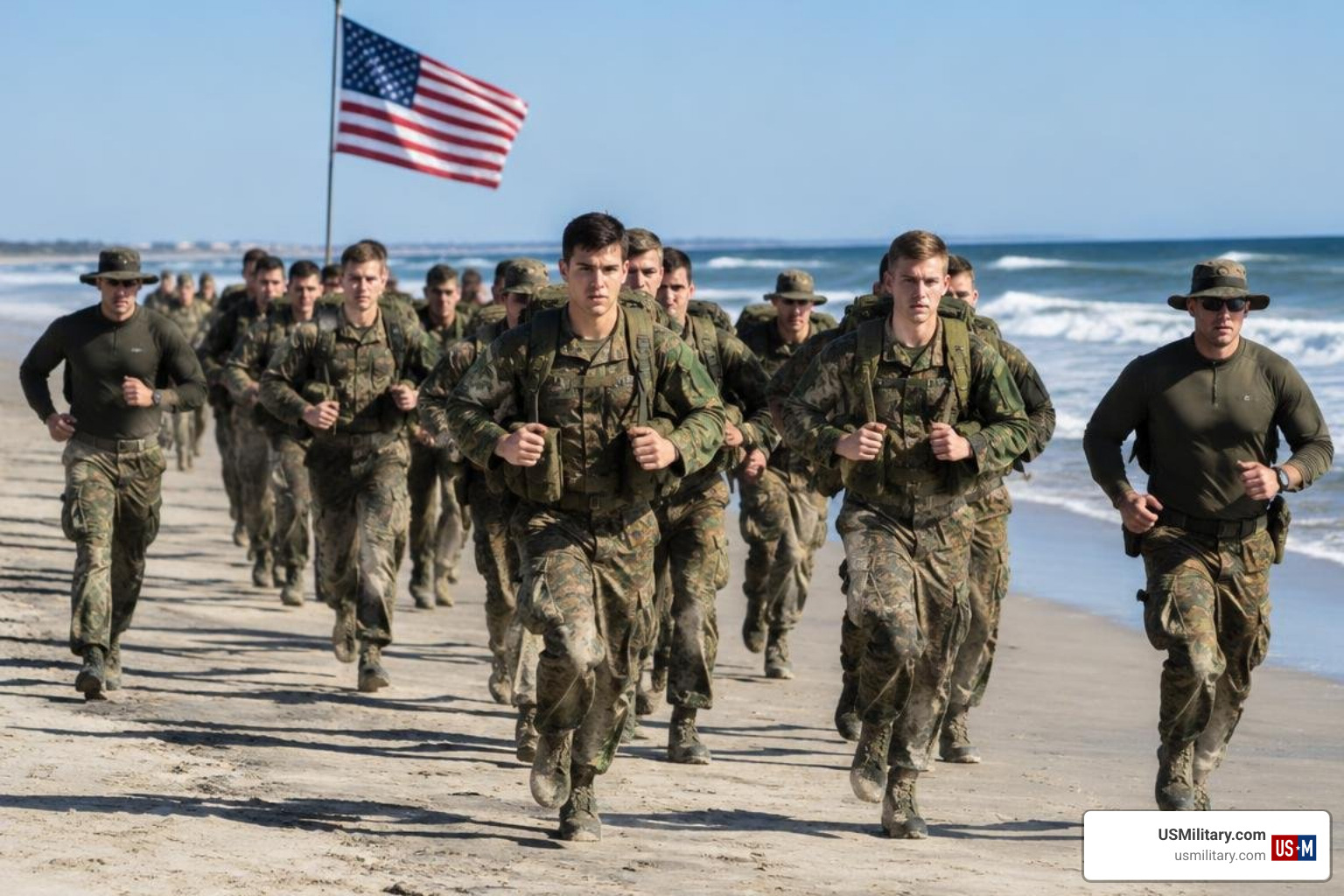
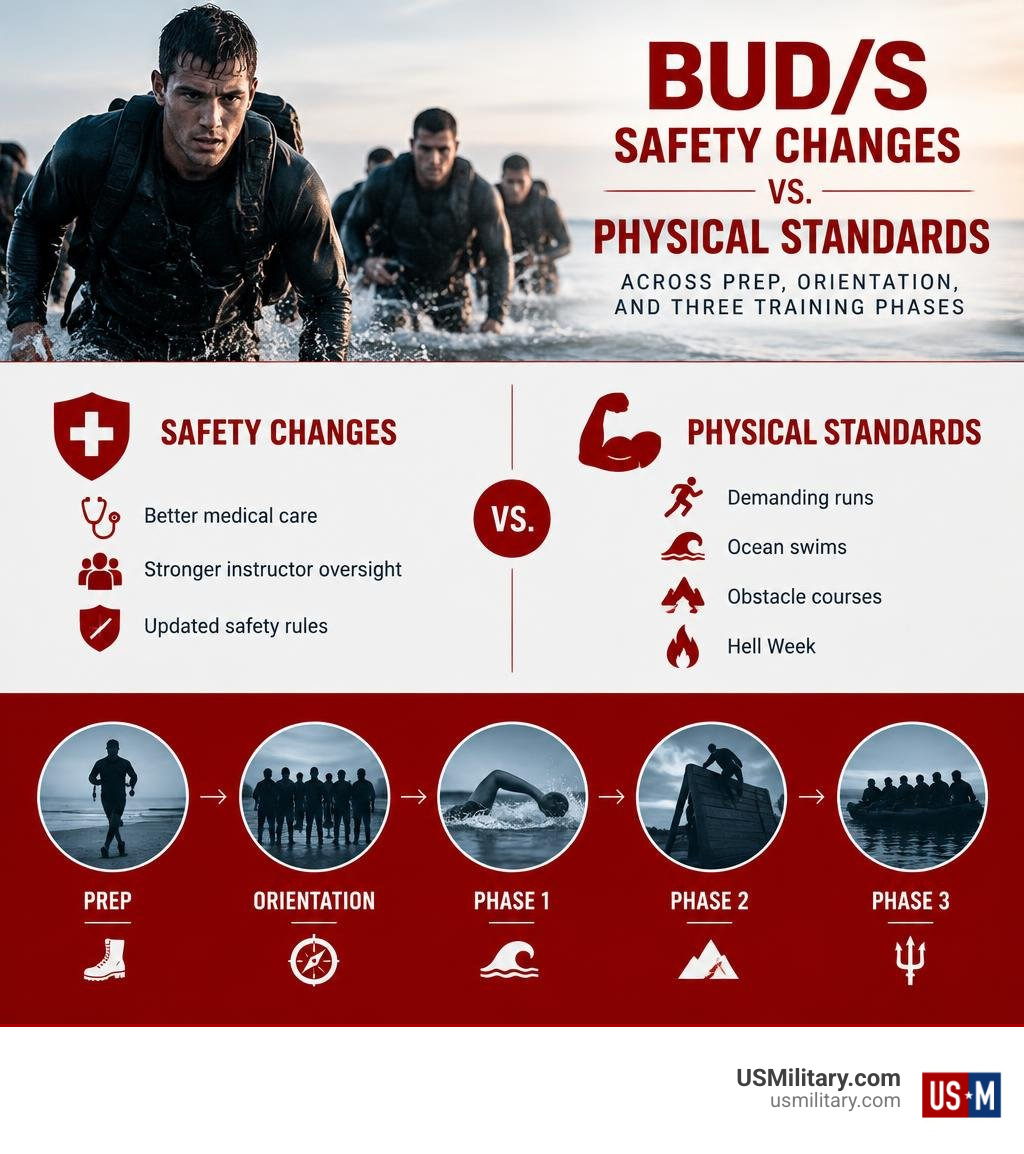
As of November 2026, the Navy reports cited here do not announce a plan to lower BUD/S physical standards. They describe changes to medical care, instructor oversight, and safety rules after the 2022 death of candidate Kyle Mullen. Those changes address risks in training; they are not, by themselves, evidence that SEAL selection is becoming easier.
BUD/S still tests candidates through demanding runs, ocean swims, obstacle courses, and Hell Week. The key question is whether a change lowers a passing standard or helps candidates get timely care while meeting it.
I’m Larry Fowler, a Navy veteran and graduate of BUD/S Class 89. When I ask whether there are plans to water down BUD/S training, I draw on that experience while keeping documented Navy changes separate from rumors.
Know your BUD/S training terms:
- What is Navy SEAL Training 3 Phases And Why is it so tough
- Navy SEALs BUD/S Training Requirements
- Who Has The Hardest Training: Navy SEALs vs Army Rangers
Are There Plans To Water Down BUD/S Training? Modern Standards vs. Historical Myths
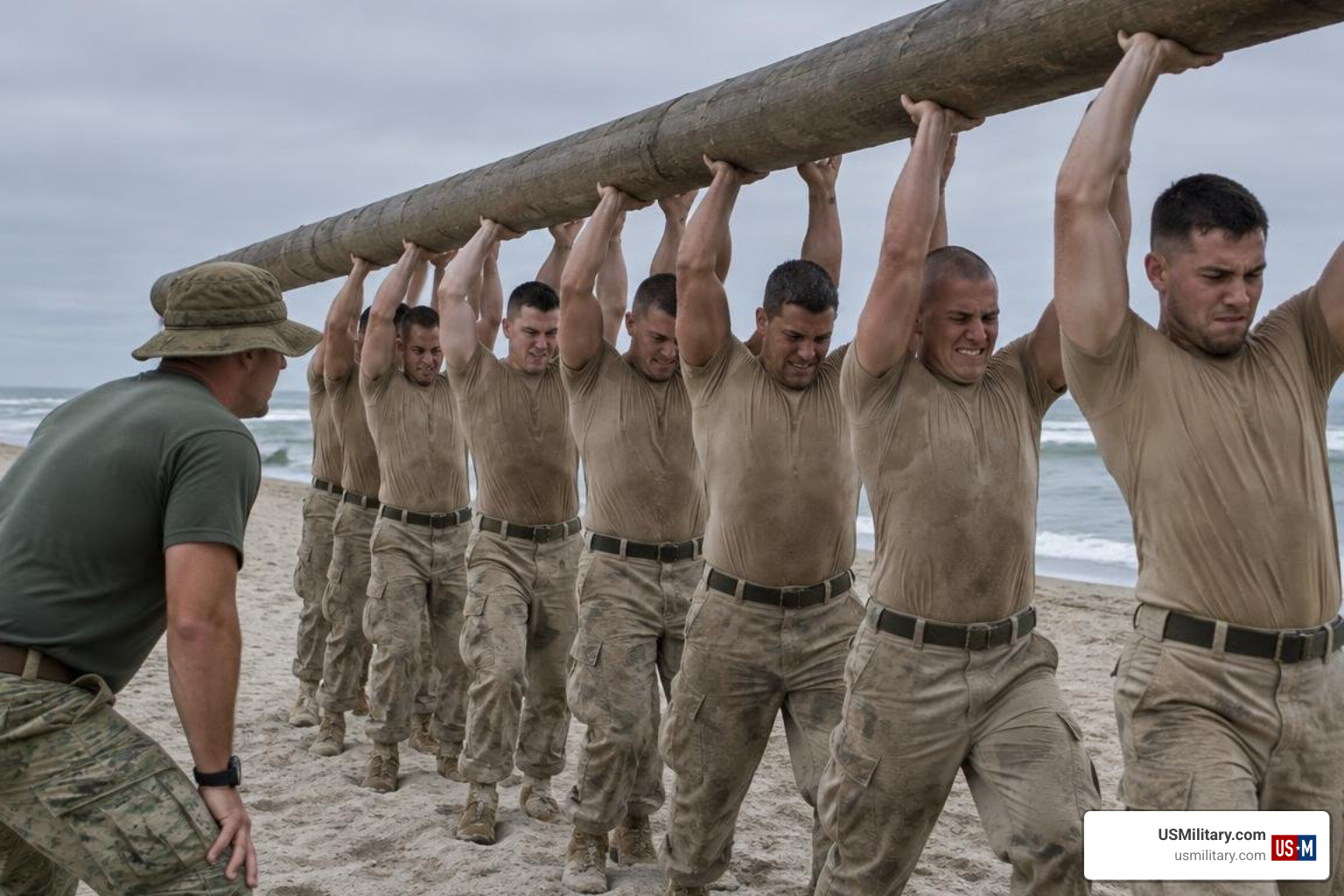
Whispers that Basic Underwater Demolition/SEAL (BUD/S) training is getting “soft” circulate across internet forums and ready rooms regularly. Whenever the Navy updates policies, critics question whether the course is losing its edge. When evaluating elite military selection courses, separating myth from reality requires looking directly at the historical data, attrition rates, and evolving sports science.
Historical benchmarks show that the foundational challenges of SEAL selection have not been relaxed. In the 1980s and 1990s, BUD/S attrition hovered between 70% and 80%. Across the 2000s, 2010s, and into the 2020s, that attrition rate has remained between 75% and 90%. Recent classes starting with over 200 candidates still routinely graduate only a small fraction of their original roster.
The modernization occurring today is rooted in human performance science rather than lowering expectations. Incorporating structured strength-and-conditioning principles, managing load carriage, and monitoring cardiovascular metrics are methods designed to build candidates who can survive the grueling pipeline without sustaining preventable, career-ending injuries. As veteran operators like Jocko Willink have pointed out, training constantly evolves to meet modern tactical threats, but the core standard of producing resilient warfighters remains intact.
Institutional Overhauls: Safety, Medical Protocols, and Environmental Relocations
The actual changes taking place at Naval Amphibious Base Coronado focus on systemic risk management, chain-of-command accountability, and medical safety rather than watering down physical gates.
Investigating Fatalities and Why Are There Plans To Water Down BUD/S Training in Medical Policy?
Following the tragic death of Seaman Kyle Mullen in February 2022 after completing Hell Week with BUD/S Class 352, the military launched extensive investigations. Mullen’s autopsy revealed he died of acute bacterial pneumonia with cardiomegaly as a contributing factor. The tragedy exposed critical vulnerabilities in candidate monitoring and post-Hell Week observation.
According to the official Navy investigation findings, leadership identified aggregated risks spanning inadequate instructor oversight, gaps in medical command-and-control, and undetected performance-enhancing drug (PED) use.
In response, Naval Special Warfare Command instituted over a dozen specific policy updates:
- Implementation of advanced cardiac screenings for candidates, including AI-enhanced electrocardiograms (ECGs).
- Mandatory prophylactic penicillin-based antibiotic injections prior to high-risk endurance blocks to suppress severe respiratory infections.
- Enhanced clinical protocols for diagnosing and treating Swimming-Induced Pulmonary Edema (SIPE).
- Expanded authority to conduct targeted testing for PEDs to deter candidates from taking illicit, unmonitored substances to cope with extreme fatigue.
A subsequent DoD IG policy review on candidate safety and PED monitoring highlighted these improvements while emphasizing the need for standardized PED definitions and adequate medical staffing during peak evolution weeks. These medical reforms do not make the logs lighter or the ocean warmer; they ensure candidates receive emergency interventions before acute medical issues become fatal.
✉ Get updates like this in your inbox
Weekly VA benefit changes, pay updates, and money tips for service members, veterans, and military families. Free, no spam.
Environmental Hazards and Water Quality Protocols in Coronado
Another significant update involves environmental safety. The waters surrounding Coronado frequently suffer from coastal contamination caused by cross-border sewage runoff from the Tijuana River. Between 2019 and 2023, military health records identified 1,168 cases of acute gastrointestinal illness among special warfare candidates, with nearly 40% occurring within seven days of ocean exposure.
In 2024, local water testing showed that coastal conditions were unsafe for training roughly 75% of the time, yet training evolutions were rarely moved. Addressing this hazard led to DoD recommendations on contaminated water training, creating bacterial threshold monitoring and clear protocols to relocate ocean swims to cleaner environments, such as San Diego Bay, when safety limits are breached. Relocating a timed 2-mile swim to cleaner water prevents debilitating bacterial infections without removing a single stroke from the distance required to pass.
Core Phase Standards: How SEAL Selection Maintains Its Unforgiving Rigor
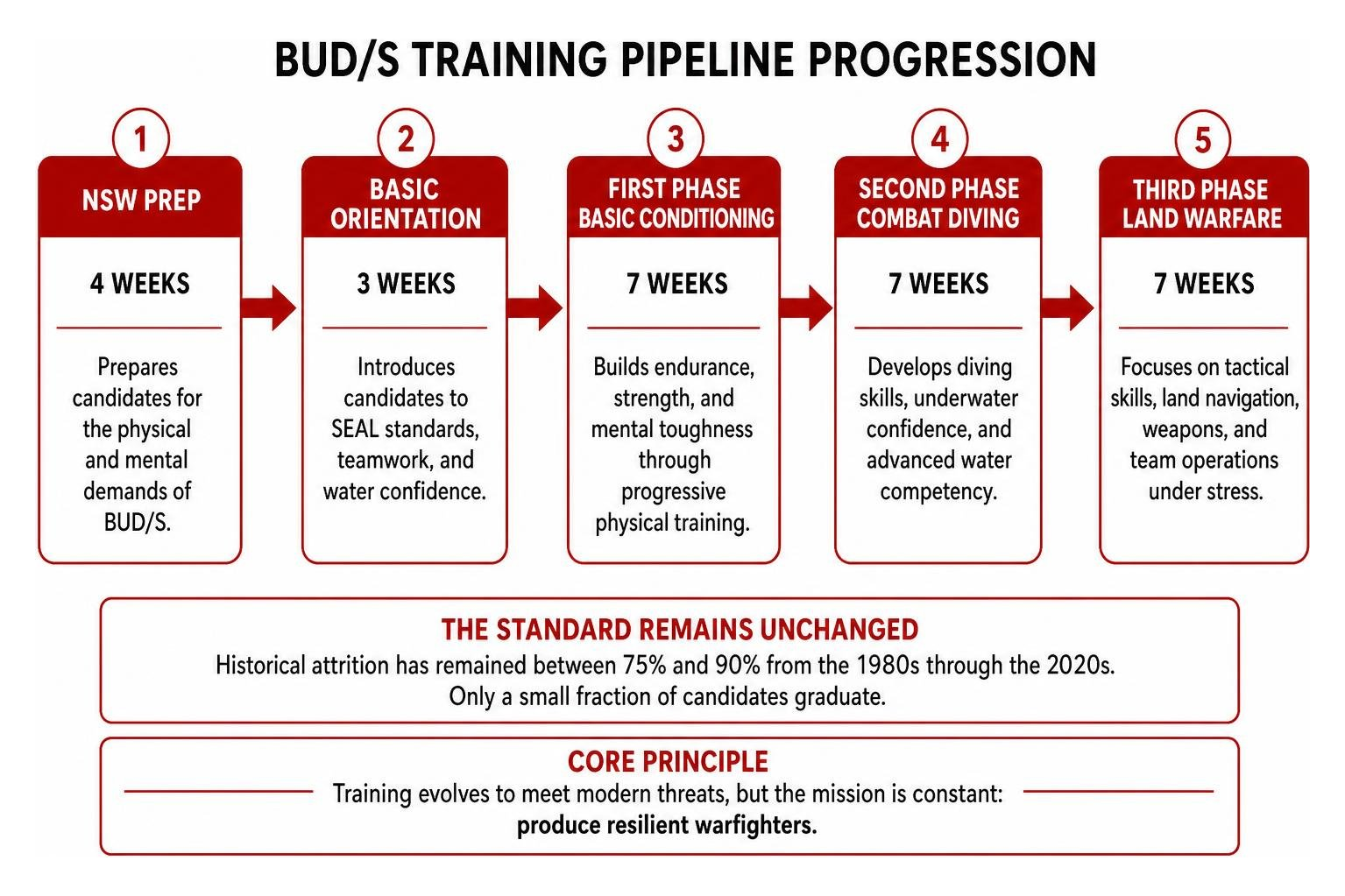
The BUD/S training pipeline continues across its five distinct segments: NSW Prep (4 weeks), Basic Orientation (3 weeks), First Phase Basic Conditioning (7 weeks), Second Phase Combat Diving (7 weeks), and Third Phase Land Warfare (7 weeks). To earn the SEAL Trident, every candidate must meet or exceed non-negotiable physical benchmarks that become progressively stricter with each phase.
| Training Phase | 4-Mile Timed Run | 2-Mile Ocean Swim (Fins) | Obstacle Course | Push-Up Minimums (Per Set) | Pull-Up Requirements |
|---|---|---|---|---|---|
| Basic Orientation | Screen Standard | 85:00 min (Target: 75:00) | 12:30 min (Target: 8:00) | Form Evaluation | 10 reps minimum |
| First Phase | 32:00 min | 85:00 min | 12:30 min | 20 reps | 10 reps |
| Second Phase | 29:20 min | 80:00 min | 11:30 min | 40 reps | 10 reps |
| Third Phase | 28:00 min | 75:00 min | 10:30 min | 50 reps | 12 reps (in full kit) |
Reviewing the essential Navy SEAL qualification requirements makes it evident that these physical baselines remain demanding.
Physical Screening Tests and Attrition Realities
Entering the pipeline requires passing the Physical Screening Test (PST). While the official minimums are a 500-yard swim in 12:30, 50 push-ups, 50 sit-ups, 10 pull-ups, and a 1.5-mile run in 10:30, realistic competitive candidates achieve scores well beyond these floors—swimming sub-9:30, knocking out 75+ push-ups, and running the 1.5 miles in 9:30 or faster.
During the NSW Prep exit assessment, candidates must complete a 1000-meter finned swim in 20:00 (target: 17:30) and run 4 miles in 32:00 (target: 28:00). As candidates transition to navigating the three distinct phases of SEAL training, standards tighten significantly. By Third Phase, candidates must maintain a 7-minute-per-mile pace over 4 miles in boots and complete the 2-mile open ocean swim in under 75 minutes.
Scrutinizing Sleep Deprivation and Are There Plans To Water Down BUD/S Training During Hell Week?
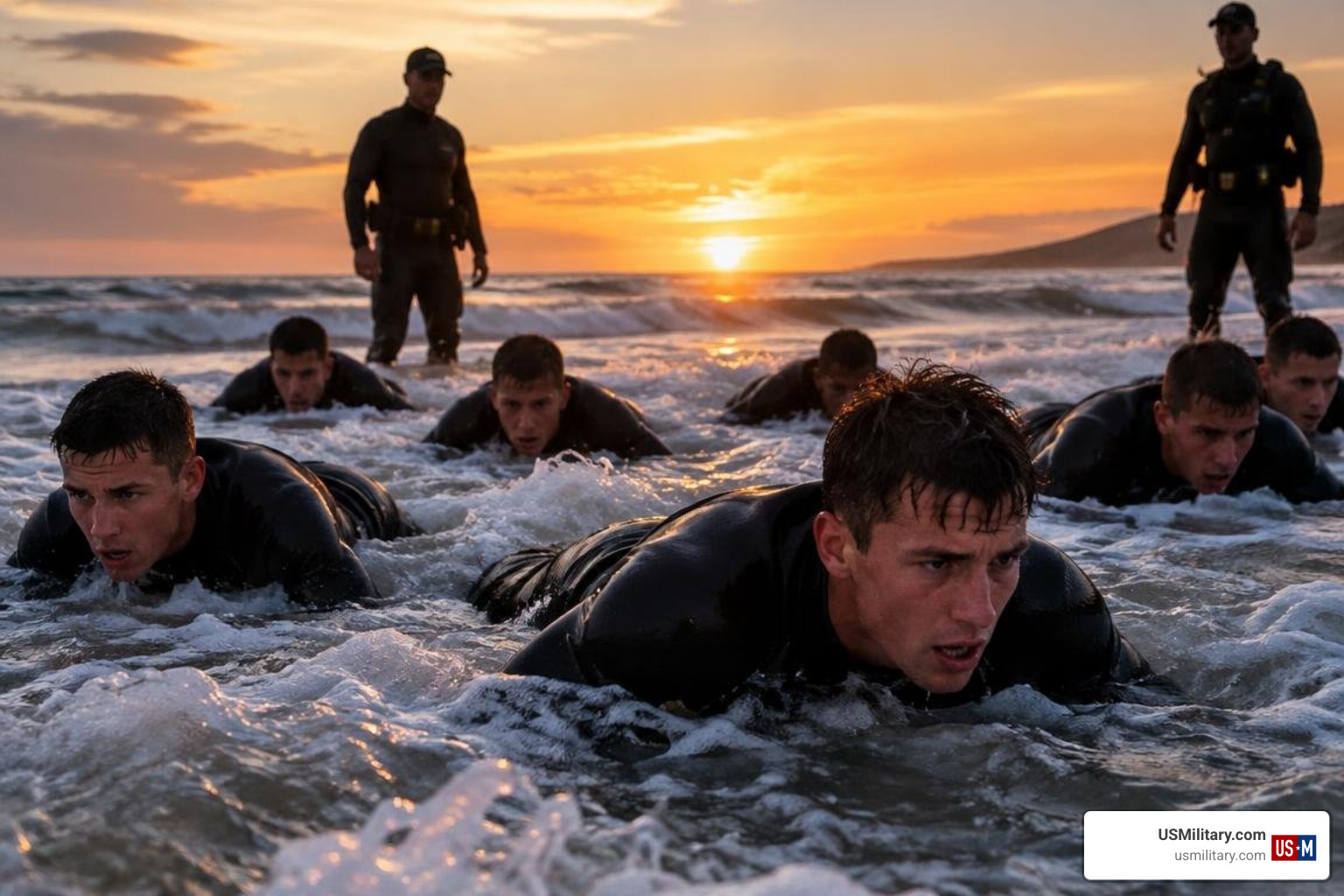
Hell Week remains the crucible of First Phase. Running from Sunday evening through Friday afternoon, candidates complete approximately 108.5 consecutive hours of operational tasks, cold surf immersion, log carries, and boat drills with a maximum total of four hours of sleep across the entire event.
Government oversight bodies have scrutinized the long-term health risks of extreme sleep deprivation, asking the Navy to clearly define its physiological rationale and expand corpsman staffing. However, eliminating sleep deprivation from Hell Week has not been approved. Candidates are still subjected to near-constant physical exertion, hypothermia management, and mental pressure to test whether they can make split-second, ethical decisions when completely exhausted. Prospective candidates should review critical preparation questions before entering selection to understand the physical and mental demands of this pipeline.
Frequently Asked Questions About BUD/S Training
Has the Navy officially lowered physical passing standards for BUD/S?
No. The timed standards for the 4-mile runs, 2-mile ocean swims, and obstacle courses remain unchanged. Push-up, pull-up, and academic benchmarks (requiring 80% for officers and 70% for enlisted) continue to serve as firm elimination criteria throughout every phase.
What new medical safety protocols were added to Hell Week?
Key safety additions include AI-driven cardiac screenings, mandatory pre-training antibiotic shots to prevent pneumonia, standardized SIPE monitoring, and increased medical corpsman staffing during continuous high-intensity evolutions.
How do current BUD/S attrition rates compare to past decades?
Attrition rates remain historically consistent, averaging between 75% and 90% across modern classes. The vast majority of candidates still drop out due to voluntary quits (DOR), cold-water exposure, or failing to meet strict timed performance gates.
Conclusion
The evidence makes the answer clear: the U.S. Navy is not watering down BUD/S training. What has changed is the administrative and medical framework surrounding the course. By adopting sports-science principles, eliminating sewage-contaminated training waters, expanding medical oversight, and preventing untreated pneumonia cases, Naval Special Warfare is working to ensure candidates fail or succeed based on their grit, discipline, and tactical competence—not preventable medical neglect.
For those preparing to pursue this challenging path, exploring our comprehensive Navy SEAL guide and career resources provides the fitness plans, qualification standards, and pipeline insights needed to start training effectively.
Free for Service Members & Veterans
Get the military benefits intel no one tells you about.
Weekly updates on VA benefits, pay changes, and money tips — free for service members and veterans.
No spam. Unsubscribe anytime. Your info is never shared.



Leave a Reply