Do Our Military Troops Know America Is Grateful for Their Sacrifices?
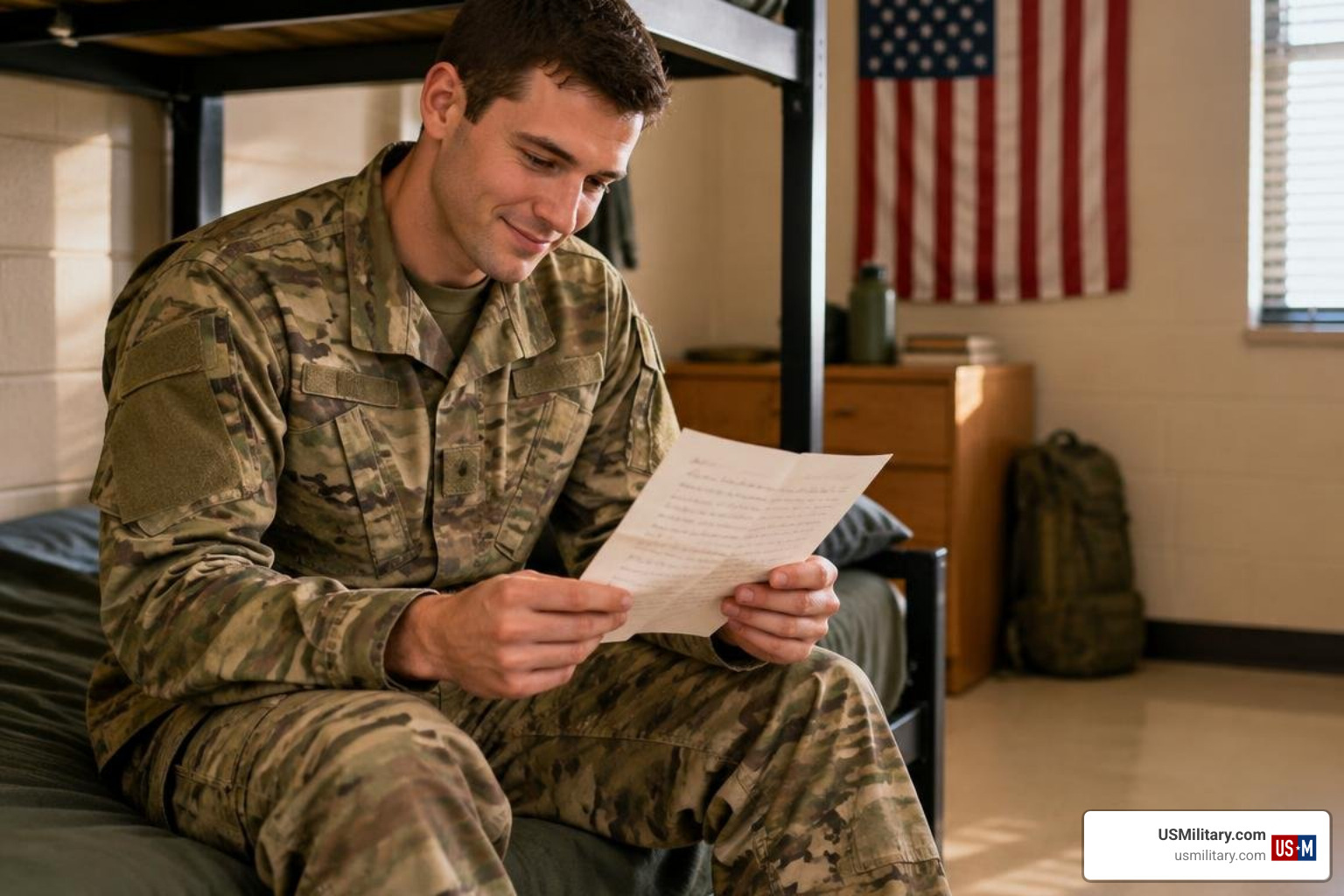
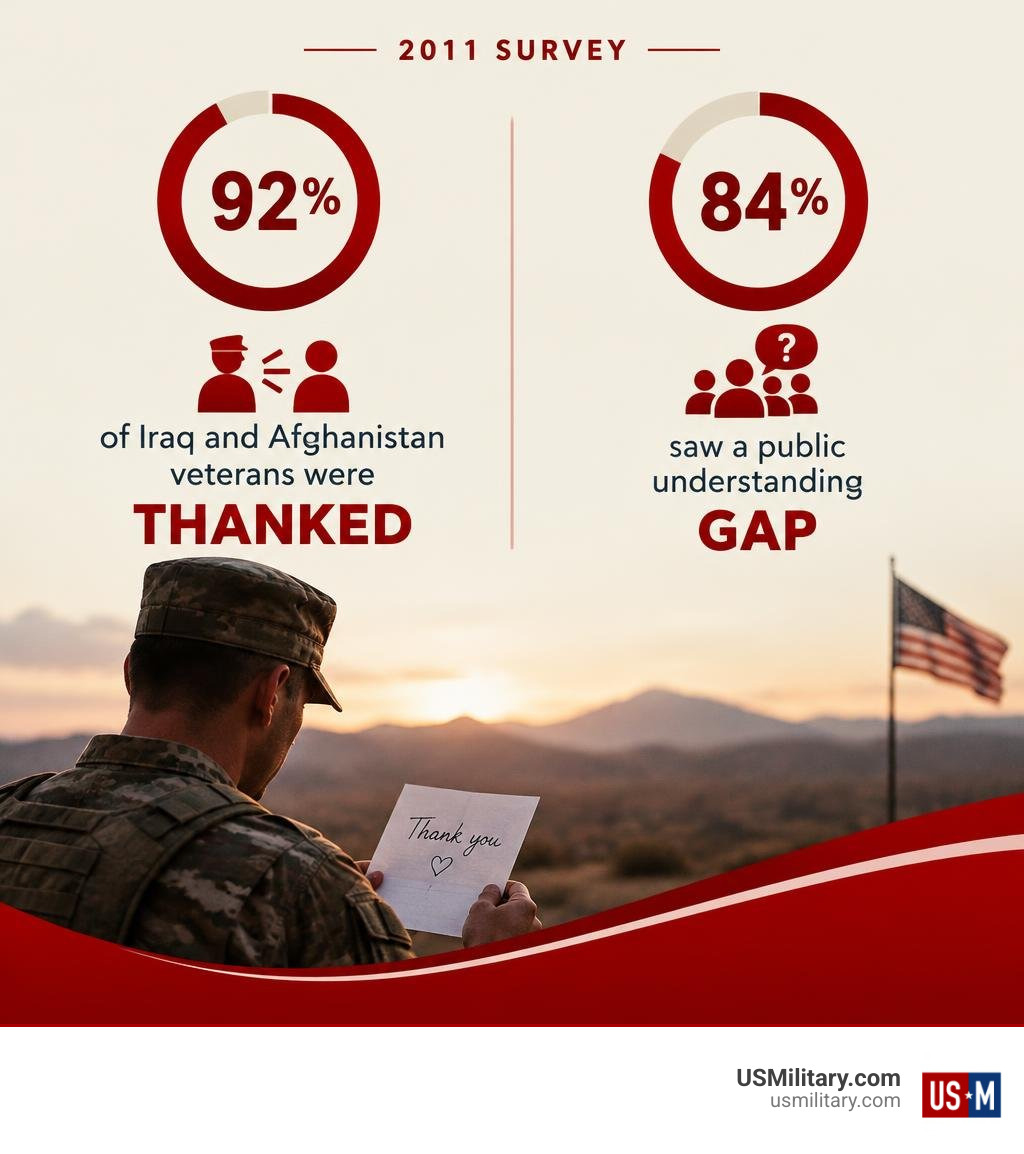
Many troops and veterans hear America’s thanks, but that does not always mean they feel understood. In a 2011 Pew survey, 92% of veterans of the Iraq and Afghanistan wars said someone had thanked them since discharge. Yet 84% of post-9/11 veterans said the public knew little about the problems military members face. These findings describe veterans surveyed in 2011, not every service member today, and that distinction matters when we talk about gratitude in 2026. A generation has served, transitioned, raised families, and started new careers since those interviews, so the numbers give us a useful baseline rather than a complete picture of how troops feel right now.
A thank-you can matter. So can listening, respecting someone’s choice not to discuss their service, and supporting military families in practical ways. For many service members, the most meaningful appreciation is not a single moment on Veterans Day or at an airport, but a pattern of respect that continues long after the uniform comes off. It shows up when neighbors check in during a deployment, when employers understand drill weekends or medical appointments, and when civilians take the time to learn what military life actually involves instead of relying on movies or headlines.
I’m Larry Fowler, a Navy veteran, BUD/S Class 89 graduate, and publisher of USMilitary.com. My years publishing military guidance shape how I approach the question “Does Our Military Troops Know America Is Grateful For Their Sacrifices” and what meaningful appreciation looks like. I have heard from readers who treasure a handwritten note and from others who would rather be treated like anyone else starting a new job. Both reactions are honest, and both teach us something important about how to show gratitude well.
Do our military troops know America is grateful for their sacrifices, based on survey evidence?
Largely, yes, at least when it comes to being thanked. The Pew findings on public views of the military show 76% of Americans had thanked someone in the military since the Iraq and Afghanistan wars began. On the other side, 92% of veterans of those wars said someone had thanked them after discharge. Those two numbers together suggest that appreciation is not just a feeling Americans keep to themselves. Most people who wanted to say thank you found a way to do it, and most veterans in that survey heard it at least once.
Pride runs high on both sides. About 91% of Americans said they felt proud of the troops, and 96% of post-9/11 veterans said they felt proud to serve. So the basic message of appreciation gets through. The harder question is whether it comes with understanding. Feeling proud of someone is different from knowing what they gave up, what they carry home, or what their family went through while they were gone. That is where gratitude can either deepen into real connection or stop at a polite phrase.
Do our military troops know America is grateful for their sacrifices when public understanding is limited?
This is where the picture gets more complicated. According to Pew research on veterans’ experiences and public understanding, 84% of post-9/11 veterans said the public knows little about the problems service members and families face. The public largely agreed with them: 71% of Americans said most people have little or no understanding of those problems. In other words, both sides recognized the same gap. Civilians were not pretending to understand everything, and veterans were not surprised by that lack of understanding.
The sacrifice gap is just as telling. About 83% of Americans said military members and their families had made a lot of sacrifices since 9/11, but only 43% said the American public had. Many people also felt little personal effect from the wars, and pride in the troops did not mean support for the wars themselves. That honesty is actually a starting point for better gratitude. When we admit what we do not know, we are more likely to listen, ask respectful questions, and avoid assuming that a flag pin or a bumper sticker is enough.
A more recent look from The Conversation adds context. Only about 6% of U.S. adults were veterans in 2022, down from 18% in 1980, so fewer civilians personally know someone who served. It also found that online mentions of veterans dropped nearly 94% within a week after Veterans Day 2025. Gratitude is real, but it can be seasonal. As the share of Americans with direct military connections shrinks, we have to work harder to keep appreciation from fading once the parades end and the holiday sales are over.
Why can “Thank you for your service” feel awkward?
A 2023 USAA-sponsored survey of 1,639 veterans and military personnel, reported by Military Times, found half said the phrase makes them feel uncomfortable or awkward. Among those ages 18 to 29, the number rose to nearly 70%. Only veterans 65 and over responded favorably. Age and era of service clearly shape the reaction. Someone who served decades ago may hear the phrase very differently from a young veteran who recently left active duty and is still figuring out civilian life, work, and identity.
Reactions are mixed, though. One Marine veteran quoted by Task & Purpose first felt odd being thanked, then came to value that people mean well. Others say the phrase can feel canned, a way to say something and move on. Some veterans, especially those who served in difficult operations, may not feel proud and may not want thanks at all. They may be dealing with loss, injury, or moral questions that a quick thank-you cannot touch, and being put on the spot in public can make that harder.
The intent is usually good. The fix is simple: ask before assuming the person wants to talk about their service. A brief, sincere acknowledgment followed by a genuine question about how they would like to be recognized gives them control. That small shift turns gratitude from a performance into a conversation, and it respects the individual standing in front of you rather than treating every veteran the same way.
What Service Members and Veterans Say Makes Gratitude Feel Genuine
What can people say or do instead of offering a quick thank-you?
Start with curiosity. You can ask if they would like to talk about their time in uniform, and accept a “no” gracefully. Ask how they would like to be recognized. Listen without assumptions, and treat them as an individual rather than a stereotype. A simple question such as whether they want to share a story, or whether they would prefer to talk about what they are doing now, opens the door without pushing them through it. If they say no, changing the subject is itself a form of respect.
Rep. Dan Crenshaw, a retired Navy SEAL, has suggested saying “Never forget,” which implies a shared commitment to remembering sacrifices past and present. Others suggest offering practical help with the move to civilian life. Plain, sincere words beat a rehearsed line. You do not need perfect language to show you care. You need to mean it, pay attention to the response, and be willing to follow up with action when you can. That is what turns a moment of gratitude into something a veteran will actually remember years later.
✉ Get updates like this in your inbox
Weekly VA benefit changes, pay updates, and money tips for service members, veterans, and military families. Free, no spam.
How can civilians recognize the sacrifices made by military families?
Families carry a lot. They deal with deployment separations, missed birthdays and holidays, and handling childcare and the household alone. A White House message in 2026 highlighted the empty seat at the Thanksgiving table as a symbol of that sacrifice. That image resonates because it is ordinary and painful at the same time. The sacrifice is not only on the battlefield. It is in the everyday moments a spouse, parent, or child spends without the person they love most.
Recognize spouses and children as part of the story, not just supporters. Offer a meal, childcare, or a ride. Our military spouse support and benefits guide explains what help is available to families. Small, practical offers often mean more than grand gestures because they meet a real need in a real week. Remembering a family’s anniversary, checking in after a move, or including a spouse in a thank-you note tells them their service counts too.

How can gratitude include ongoing support, not just words?
Words matter less than follow-through. Help a veteran sort through benefits and the transition to civilian work. Treat mental health care as normal, not something to whisper about. Our resources on veteran mental health support and veteran suicide risk factors can help you understand what many veterans face. Learning about VA benefits, disability claims, home loans, and transition programs helps civilians speak with knowledge instead of guessing.
Ongoing support also means staying present after the first conversation. A veteran who is job hunting may need a referral, a mock interview, or help translating military experience into civilian language. A family that just moved may need help finding a school, a doctor, or a community. When gratitude leads to that kind of steady, practical help, service members know America is grateful in a way that lasts far beyond a single thank-you.
Do Letters and Care Packages Help Troops Feel Remembered?
How do A Million Thanks and Operation Gratitude show their reach?
Two large nonprofits turn gratitude into something physical. A Million Thanks says it has supported over 21 million troops with handwritten letters since 2004. Operation Gratitude reports delivering more than 4 million care packages since 2003 to service members, veterans, and first responders. Both rely on volunteers, letter drives, and community events. Schools, churches, businesses, and families across the country take part, which means the effort itself becomes a way for civilians to learn about military life while they serve.
The scale of those numbers is impressive, but the real impact is personal. A letter written by a child, a package assembled by neighbors, or a card signed by an entire classroom tells a service member that people they have never met are thinking about them. That connection can be powerful, especially during long deployments when days blur together and contact with home is limited.
How do organizations measure the impact of letters and packages on morale?
Mostly through counts and stories. They track letters delivered, packages assembled, and volunteers who take part. They also share recipient testimonials. A command sergeant major at Bagram said cards made soldiers feel they had families everywhere, and a deployed soldier who had gone weeks without mail said a box showed people back home were thinking of them. Those stories capture the emotional side of the work in a way statistics cannot.
These accounts are heartfelt, but they are promotional and anecdotal. They show reach and personal meaning, not independent morale research. Treat them as encouraging signs rather than proof. That does not make them less valuable. It simply means we should be honest about what we know. Letters and packages clearly matter to many recipients, even if we cannot measure every effect on morale with a survey or a study.
What should a thoughtful letter or care package include?
- A personal, respectful message in your own words
- Encouragement without assumptions about combat or beliefs
- Children’s drawings, which recipients often love
- Useful items that fit the program’s guidelines
Write as if you are talking to a real person, because you are. Share a little about your community, your school, or your family, and wish them well without assuming what they have experienced. Keep the tone warm and respectful, and avoid political messages or intrusive questions. A thoughtful letter does not need to be long. It needs to be sincere.
Follow current mailing instructions from the organization. Never send packages to an unverified address, and do not mail letters to a corporate headquarters unless told to. Programs change their guidelines, addresses, and needs over time, so checking first protects your effort and makes sure it reaches the right people. When in doubt, go through the organization’s official website and follow its current instructions exactly.
How to Show Gratitude in Ways That Last
What are practical ways to support service members and veterans year-round?
- Ask what support is welcome, then listen
- Include military families
- Volunteer locally with veteran and family groups
- Back transition and mental health services
- Learn about military life through the branches of the military
Year-round gratitude does not require a big program. It can be a monthly check-in, a volunteer shift, or a donation of time to a local group that already knows the community’s needs. Consistency matters more than size. Showing up in February, in July, and during a family’s move tells a veteran that your appreciation was not just for a holiday.
How can people recognize service without making assumptions?
Skip intrusive questions. Do not presume every veteran saw combat or wants to discuss service. Experiences vary widely by branch, job, and era. And remember that public appreciation does not replace good policy, quality care, and earned benefits. Our guide to military benefits is a good place to start. Learning about VA health care, disability compensation, education benefits, and home loans helps you understand what veterans have earned and what they may still need. Gratitude grows stronger when it is paired with respect for the benefits and services that support service members and their families.
Frequently Asked Questions About Whether Troops Feel Appreciated
Do most veterans feel proud of their service?
Yes. Pew found 96% of post-9/11 veterans felt proud to serve. Pride does not mean every experience was positive, since many also reported strain on families and difficult readjustment. A veteran can be proud of serving alongside teammates and still struggle with the cost of that service at home. Holding both truths at once is part of understanding military life with honesty and respect.
Do service members like hearing “Thank you for your service”?
It depends. Half of surveyed veterans and service members felt uncomfortable, and nearly 70% of those ages 18 to 29 did. Some welcome a sincere thanks, while others prefer conversation or practical support. The best approach is to watch for cues, keep your thanks brief and sincere, and be ready to shift to a normal conversation if that is what the person prefers.
What is one meaningful way to thank a deployed service member?
Write a personal letter. Join a letter drive, check current mailing guidance first, and respect what recipients prefer. Remember their families too. A letter that is personal, respectful, and free of assumptions can brighten a long day. Pairing it with a kind word or practical help for the family back home makes your gratitude complete.
Conclusion
Gratitude is widely expressed, but being understood takes ongoing attention, honest conversation, and practical support. The survey evidence shows Americans mean their thanks, and it also shows where we still have work to do. If you want to understand military life better, explore our comparison of military branches and our service-member guides at USMilitary.com. Keep learning, keep listening, and keep showing up long after the holiday ends.
Free for Service Members & Veterans
Get the military benefits intel no one tells you about.
Weekly updates on VA benefits, pay changes, and money tips — free for service members and veterans.
No spam. Unsubscribe anytime. Your info is never shared.
Leave a Reply